

Last Updated on 05/27/2026 by Custom Tent Expert
After a rainy weekend or long periods of exposure to moisture, many tent owners encounter an all-too-familiar problem: black spots or mold on their tent fabric. While a simple bleach solution may seem like an easy fix, using bleach on tent fabric can often damage the material and its UV coating. So, what’s the best way to handle mold removal without compromising the integrity of your tent?
In this article, we will provide a professional, step-by-step guide to removing mold from white tent fabrics without damaging the fabric, coating, or structural integrity. We’ll also cover why bleach is not always the best choice and provide you with alternative cleaning techniques that are safe and effective.
As a custom event tent manufacturer, Dtent’s goal is to equip our clients with the knowledge and resources to maintain their tents properly, so you can get the most out of your investment.
1. Understanding the Problem: Why Mold Grows on Tent Fabrics
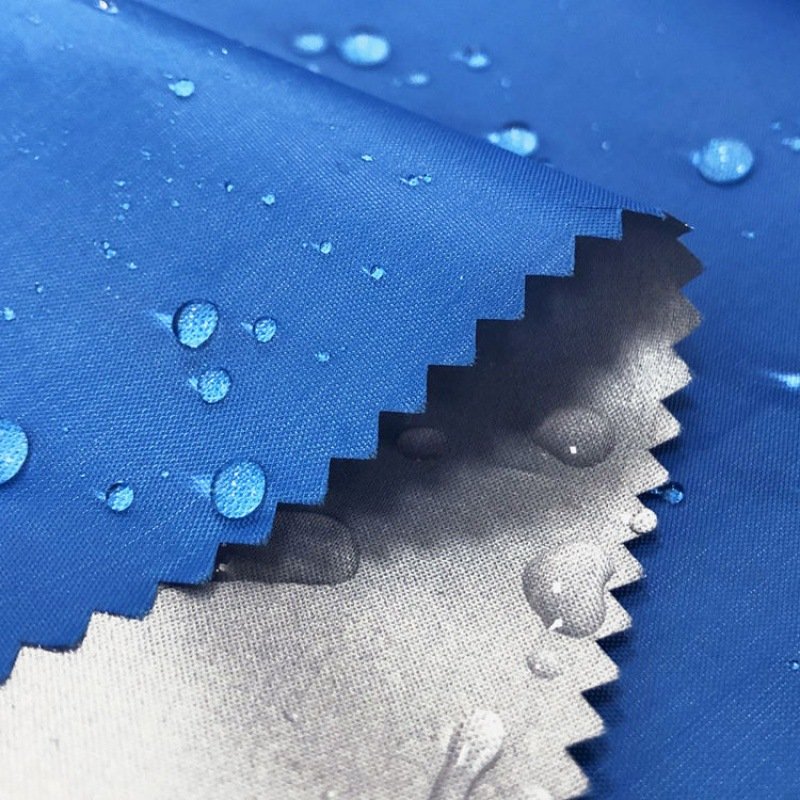
Mold, mildew, and other fungi thrive in warm, moist environments. When tents are left in humid conditions or exposed to rain for extended periods, they can become the perfect breeding ground for mold.
Key Causes of Mold Growth
- Moisture exposure: Rain, dew, or humidity
- Poor ventilation: Lack of airflow can trap moisture
- Inadequate drying: Not allowing the tent to dry thoroughly after use
- Storage conditions: Storing wet tents in a damp environment
Mold typically appears as black spots, but can also show up as white, green, or grayish patches depending on the type of mold.
Why It’s a Problem for Tent Owners
Mold not only damages the fabric, causing discoloration and odors, but it can also:
- Compromise the fabric’s integrity
- Weaken the waterproofing or UV coating
- Lead to permanent staining that is difficult to remove
2. Why Bleach Isn’t Always the Answer
The Issue with Using Bleach on Tent Fabrics
Bleach is often the first solution that comes to mind for mold removal, but it comes with significant risks when used on outdoor fabrics:
- Damage to UV Coating: Many modern tents, especially high-quality event tents, are coated with UV inhibitors that prevent the fabric from degrading under the sun. Bleach can break down these coatings, leaving the fabric more vulnerable to UV damage and degradation.
- Weakening of Fabric Fibers: Bleach can also weaken the fibers of the fabric itself. This can result in the fabric becoming more fragile, reducing its overall lifespan.
- Discoloration: While bleach may remove the mold, it can also cause yellowing or bleaching of the fabric, leading to permanent cosmetic damage, especially on white tents.
3. The Right Way to Remove Mold from Tent Fabrics
Now that we understand the potential dangers of bleach, let’s take a systematic approach to cleaning mold from your tent fabric in a way that preserves both the appearance and functionality of your tent.
Step 1: Remove Loose Mold and Debris
Before starting any cleaning process, it’s important to remove any loose mold, dirt, or debris from the surface of the tent fabric.
- Brush Off the Mold: Using a soft-bristled brush (such as a nylon brush), gently brush off the loose mold from the fabric. Be sure to do this outdoors to avoid spreading mold spores inside your home or storage area.
- Wear Protective Gear: Mold spores can be harmful to your health, so be sure to wear gloves, a mask, and protective eyewear during this process.
Step 2: Prepare the Cleaning Solution
To safely clean mold from your tent, use a non-bleach mold cleaner or a homemade solution. Here are some options:
Option 1: Vinegar Solution
Vinegar is a natural mold killer and is safe for most outdoor fabrics.
- Mix 1 part white vinegar to 1 part water.
- Spray the solution onto the moldy areas and let it sit for 10-15 minutes.
- Scrub the moldy spots with a soft-bristled brush.
Option 2: Baking Soda Solution
Baking soda is another natural mold remover that can also help to neutralize odors.
- Mix ¼ cup baking soda with 1 quart of water.
- Spray or apply the solution directly to the moldy spots.
- Scrub with a soft brush.
Option 3: Commercial Mold Remover (Non-Bleach)
There are commercial mold removers specifically designed for fabric cleaning, which are safe for outdoor textiles and do not damage coatings. Always check the product label to ensure compatibility with your tent’s fabric and coating.
Step 3: Scrub the Fabric
After applying your cleaning solution:
- Gently scrub the moldy areas with a soft-bristled brush.
- Focus on the seams and corners where mold is more likely to accumulate.
Be sure not to scrub too hard, as aggressive brushing can damage the fabric fibers and cause pilling.
Step 4: Rinse and Dry the Tent
Once the mold is removed:
- Rinse thoroughly with clean water to remove all cleaning solutions.
- Hang the tent to dry completely in a well-ventilated area. Avoid drying in direct sunlight, as this can lead to further degradation of the fabric and its coatings.
Make sure the tent is 100% dry before packing it away, as storing a damp tent can promote mold growth again.
Step 5: Reapply a Water-Resistant Coating
After cleaning, it’s a good idea to reapply a water-resistant coating (like a silicone-based or PU coating) to restore the tent’s water repellency. Mold removal often strips away some of the protective coatings, which can make the fabric more susceptible to water damage in the future.
- Spray the entire tent surface with the coating, paying special attention to the seams and areas that are exposed to the most stress.
- Allow the tent to dry completely before using it again.

4. Preventing Mold Growth: Maintenance Tips
While cleaning is important, prevention is the best strategy when it comes to mold growth.
Tip 1: Proper Storage
- Store tents in a cool, dry place: Avoid storing tents in damp, humid environments such as basements or garages. Ideally, tents should be stored in a ventilated, dry location to reduce moisture exposure.
- Ensure the tent is completely dry: Before storing, make sure the tent is dry to prevent mold growth. Even a small amount of moisture left on the fabric can trigger mold development.
Tip 2: Regular Cleaning
- Clean tents after every use: Remove dirt, debris, and moisture after each event, even if the tent does not appear dirty. This helps prevent mold from developing over time.
- Spot clean promptly: If you notice any mold or mildew starting to form, address it immediately before it spreads.
Tip 3: UV Protection
UV light can degrade fabric and coatings over time. To prolong the life of your tent:
- Use a UV-resistant spray: Many tent cleaning products also offer UV protection, which helps maintain the fabric’s strength and appearance.
5. Why Dtent Ensures Long-Term Tent Durability
As an experienced custom tent manufacturer, Dtent goes beyond offering high-quality materials—we also prioritize maintenance-friendly designs.
Superior Tent Materials
Dtent uses premium fabrics that:
- Are designed to resist UV degradation and mold growth
- Have high moisture resistance to prevent water retention
- Come with advanced waterproof and UV coatings for longer-lasting protection
Maintenance Tips Included
For each custom tent, Dtent provides:
- Clear cleaning instructions tailored to your fabric and coating type
- Repair kits for minor fixes
- Durable zippers and seams designed to resist water penetration
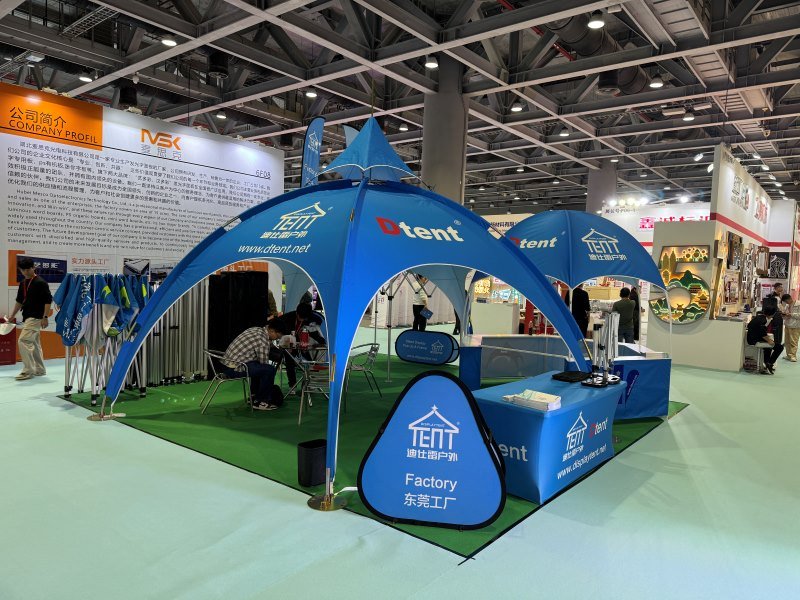
The Best Practices for Mold-Free Tent Fabrics
Mold is a common problem for tents exposed to moisture, but with the right care, it can be safely removed without damaging the fabric or UV coating.
Key Takeaways
- Bleach can degrade fabric coatings and is not recommended for tent cleaning.
- Vinegar and baking soda solutions are safe and effective alternatives.
- Proper tent storage, cleaning, and drying are essential for preventing future mold growth.
- Reapply waterproof coatings after cleaning to maintain performance.
By following these steps, your tent fabrics will remain clean, durable, and mold-free, giving you many more years of reliable use.
Are you a Trading Company or Manufacturer?
We are a manufacturer specialized in Folding tents, Outdoor umbrellas, Beach flags, Advertising Banners
Can you do design for my ideas or drawing?
Yes, we have experienced designers and our own molding factory. According to your requirements, we can design or open mold which has a competitive price.
How long does sample take?
Sample will be ready within 5-7 days, depends on your printing and material requirements.
What is your advantage?
Cost effective; with low price; Time effective: we promise to make the mass delivery within 30 days Service effective: Our sales people promise to reply your enquiry within 12 hours.Contact whatsapp 86 180 3827 3926