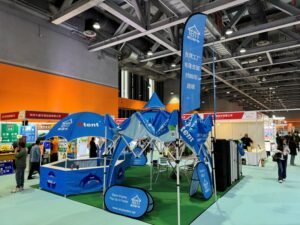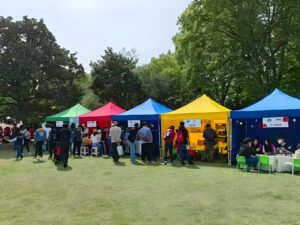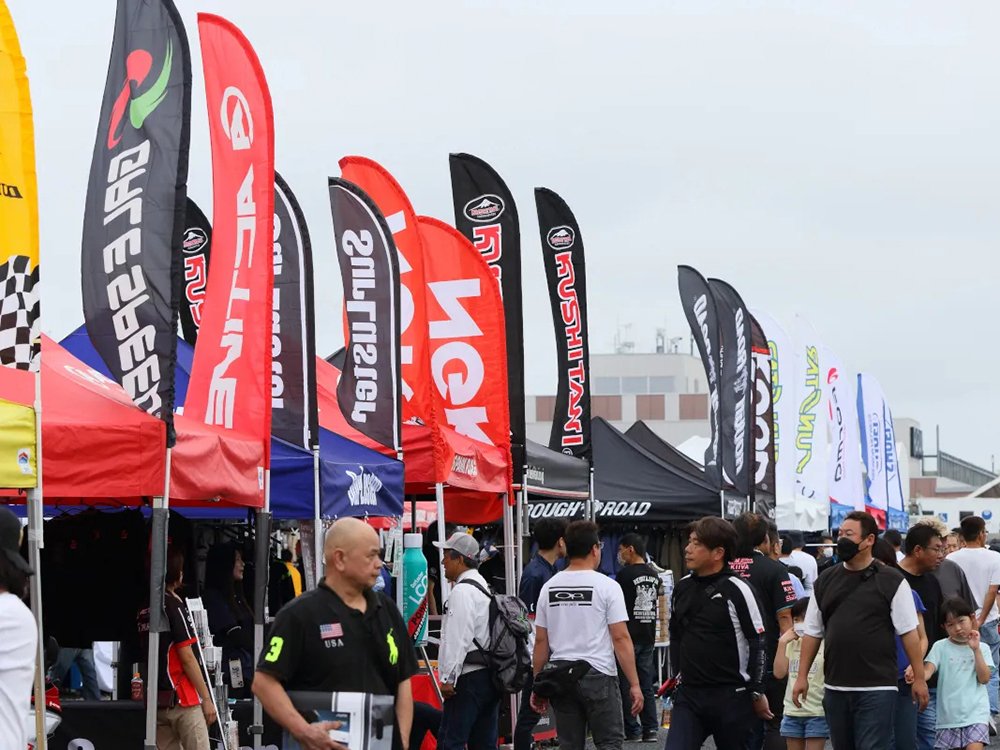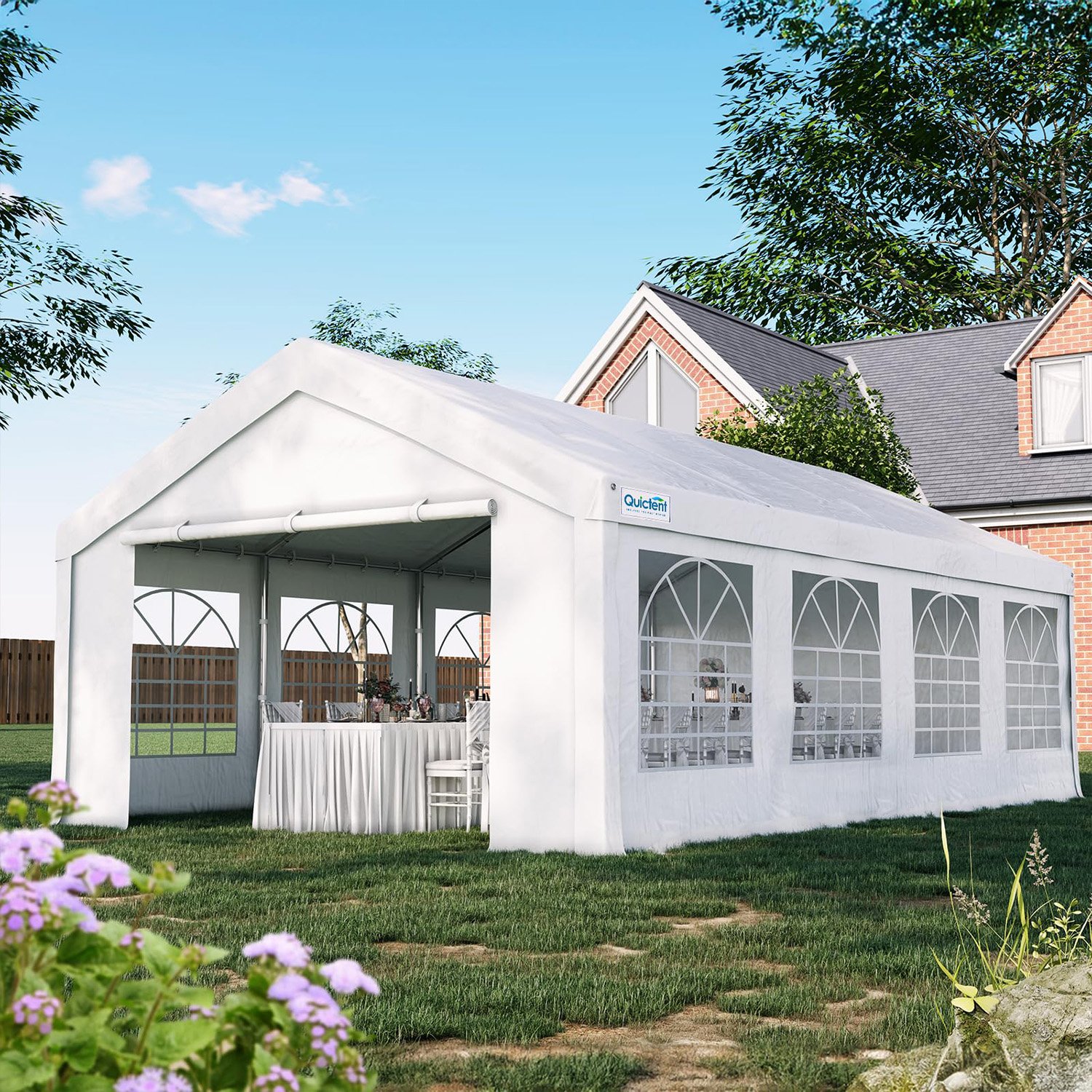

A Auvent escamotable C'est l'une des structures portables les plus pratiques pour le marketing extérieur, les expositions, les événements sportifs, les promotions commerciales, les festivals, les activités d'entreprise et les espaces commerciaux temporaires. Mais pour les marques, la valeur d'un chapiteau pliable va bien au-delà de la simple protection solaire.
Un professionnel sur mesure Auvent escamotable Il peut se transformer en support d'affichage mobile pour la marque. Il peut arborer le logo, les couleurs, les graphismes, les slogans, les informations produits et l'identité visuelle d'une entreprise, tout en offrant un espace couvert et pratique pour le personnel, les clients, les produits et le matériel.
Cependant, la création d'un auvent personnalisé de haute qualité nécessite plus que l'impression d'un logo sur du tissu.
Le produit final dépend de nombreux facteurs, notamment :
- Ingénierie des châssis
- sélection de tissus
- construction de toiture
- Qualité de couture
- Technologie d'impression
- Positionnement graphique
- Conception de connecteurs
- Matériel
- Imperméabilisation
- Résistance au vent
- performances de pliage
- Conditionnement
- Contrôle de qualité
- Gestion de la production OEM
Pour les marques qui envisagent d'acheter des auvents personnalisés en grande quantité, choisir le bon modèle est essentiel. fabricant de tentes pliantes est donc tout aussi important que le choix des spécifications du produit.
C’est là que Dtent peut fournir une solution de fabrication complète.
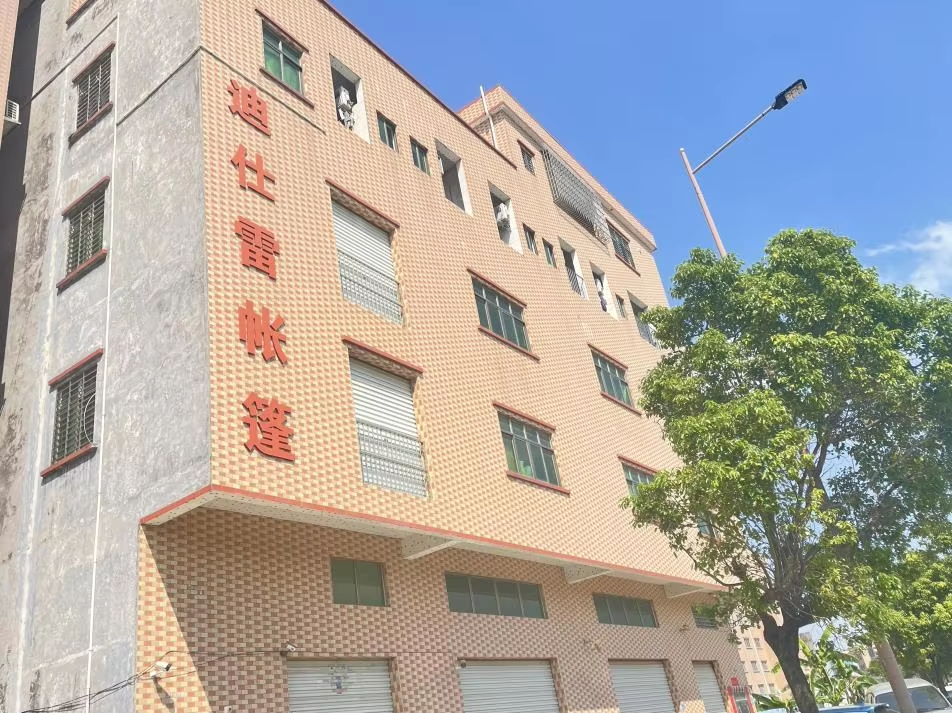
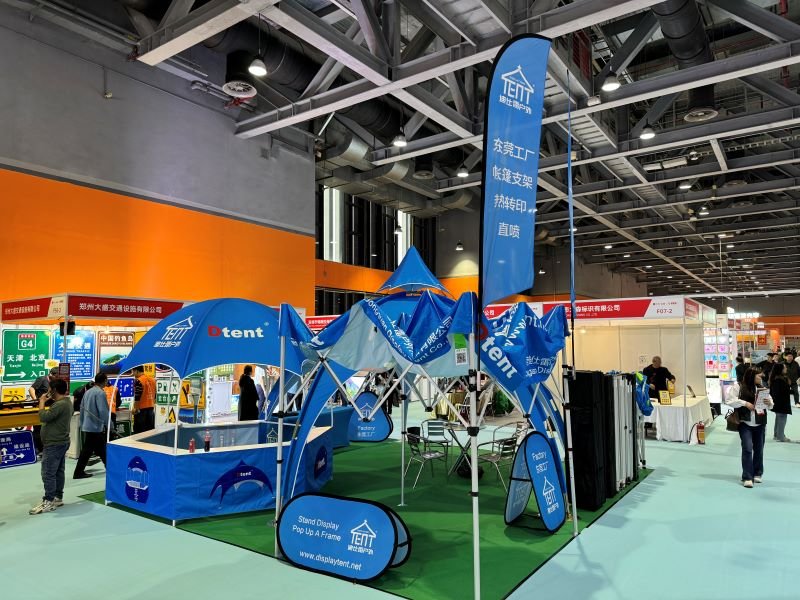
Dtent est un fabricant professionnel de tentes sur mesure, fort de plus de 10 ans d'expérience et disposant d'un site de production de 6 000 m². L'entreprise se spécialise dans les tentes commerciales personnalisées, les tentes événementielles et les structures extérieures de marque. Dtent collabore avec des marques pour développer et fabriquer auvents pliables sur mesure en fonction de leurs propres conceptions, logos, couleurs, graphismes, dimensions et exigences d'application.
Ce guide explique pourquoi Dtent peut être un partenaire de fabrication solide pour les marques à la recherche d'un fournisseur fiable. fabrique d'auvents pop up.
1. Dtent est un fabricant professionnel de tentes pliantes sur mesure
La première raison de choisir Dtent est simple :
Dtent privilégie la fabrication de tentes sur mesure plutôt que de considérer la personnalisation comme une option secondaire.
Pour un auvent pliant standard, le fabricant peut simplement produire une taille, une structure, un tissu et une couleur prédéfinis.
Pour un client OEM, les exigences sont généralement plus complexes.
Une marque peut avoir besoin de :
- Une taille de canopée spécifique
- Un cadre sur mesure
- Un tissu particulier
- Couleurs spécifiques à la marque
- Impression en couleur
- Emplacement du logo
- Parois latérales personnalisées
- Accessoires personnalisés
- Emballage de marque
- Une solution de transport particulière
- Production répétée avec des spécifications constantes
Ces exigences nécessitent un fabricant qui comprenne à la fois ingénierie des produits et fabrication textile.
Dtent possède plus de 10 ans d'expérience dans la fabrication de tentes sur mesure et propose une production orientée OEM pour les clients de marques internationales.
Au lieu de demander aux clients de choisir uniquement parmi des configurations fixes, Dtent peut travailler à partir des exigences réelles du client et développer une solution de production adaptée.
2. Dtent possède une usine de 6 000 m² dédiée à la fabrication de tentes sur mesure.
La capacité de production physique d'un fabricant est importante lorsqu'une marque passe de l'échantillonnage à la production de masse.
Dtent exploite un 6 000㎡ usine, offrant un espace dédié à la fabrication de tentes sur mesure.
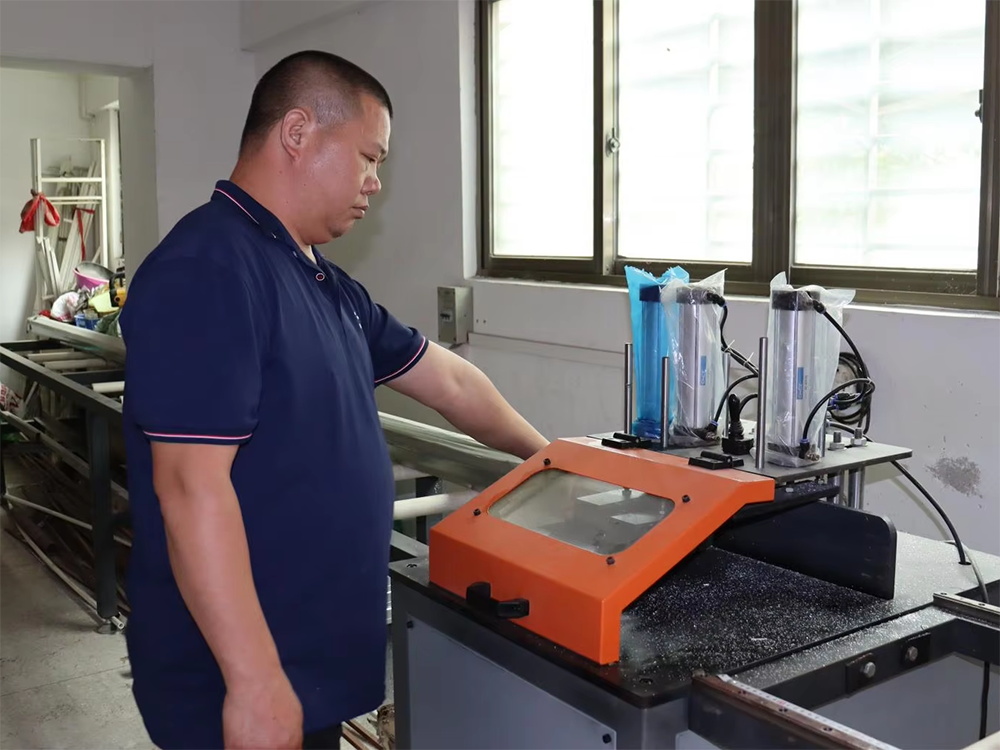
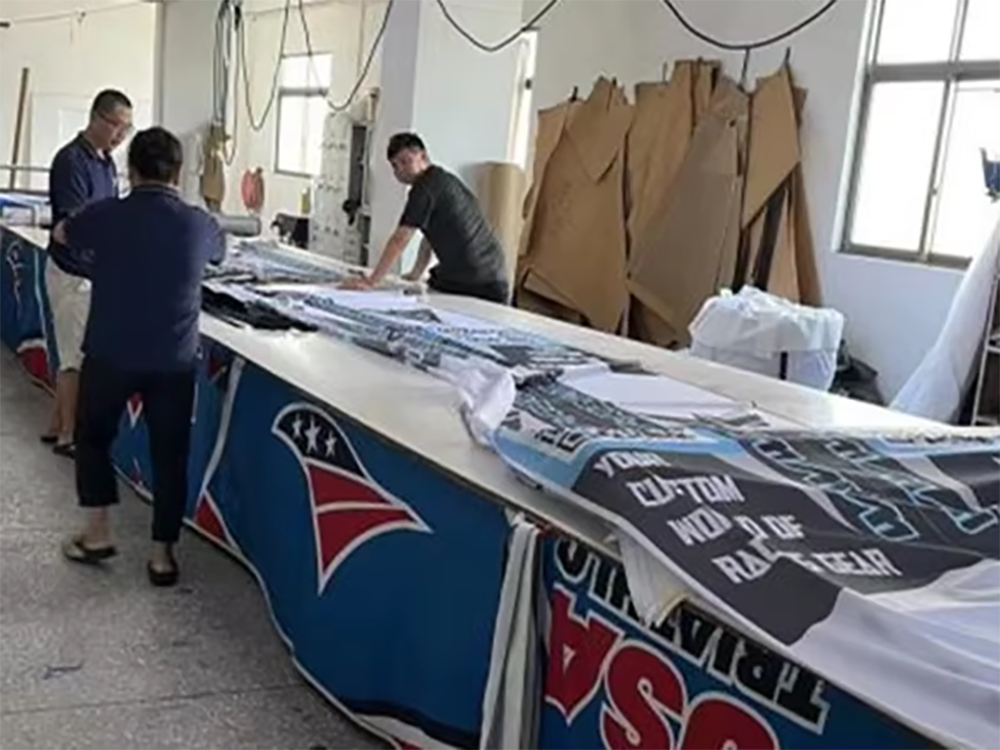
L'environnement d'une usine permet de coordonner le processus de fabrication à travers différentes étapes de production, notamment :
- Préparation du matériel
- Production de cadres
- Découpe de tissu
- Impression graphique
- Couture
- Assemblage des composants
- Inspection
- Conditionnement
Pour une marque, cela peut permettre un meilleur contrôle de la constance de la production.
L'importance des capacités de production devient particulièrement évidente lorsqu'une commande comprend des centaines, voire des milliers, d'auvents personnalisés.
À cette échelle, le défi n'est plus simplement :
“ Pouvez-vous faire un échantillon ? ”
La vraie question est donc :
“ Pouvez-vous reproduire l’échantillon approuvé de manière constante sur l’ensemble d’un lot de production ? ”
Un professionnel fabrique d'auvents pop up On devrait pouvoir répondre à cette question grâce à un processus de fabrication contrôlé.
3. Dtent comprend qu'un auvent pliable sur mesure est un système
Une erreur fréquente lors de l'achat d'un auvent consiste à n'évaluer ce dernier qu'en fonction de son tissu et de son impression.
Un professionnel Auvent escamotable est en réalité un système intégré.
Ses performances dépendent de la relation entre :
Cadre + Tissu + Couture + Connecteurs + Quincaillerie + Impression + Accessoires
Par exemple, un tissu résistant ne peut pas compenser une structure mal conçue.
Une charpente solide ne garantit pas automatiquement l'étanchéité du toit.
L'impression haute résolution ne garantit pas un positionnement précis du logo.
Une bonne toiture ne peut pas éliminer les problèmes causés par des fixations défectueuses.
Cette approche systémique est importante lors de la conception d'un auvent commercial.
Dtent aborde la personnalisation du point de vue du produit fini complet.
4. La conception d'un auvent pliant sur mesure commence par l'application
Dtent ne recommande pas de choisir un auvent simplement parce qu'un modèle particulier est populaire.
La première question devrait être :
À quoi servira le toit pliant ?
Chaque application engendre des exigences techniques différentes.
Salons professionnels
Un chapiteau de salon professionnel peut mettre l'accent sur :
- Image de marque
- visibilité graphique
- Apparence professionnelle
- Accès client
- Espace d'affichage
Événements sportifs
Un auvent sportif peut mettre l'accent sur :
- Portabilité
- Installation rapide
- Graphismes d'équipe
- Logos des sponsors
- Utilisation répétée en extérieur
Marchés de producteurs
Un vendeur sur un marché peut privilégier :
- accès libre
- protection contre les intempéries
- Présentation du produit
- Parois latérales
- Transport facile
Événements d'entreprise
Les clients professionnels peuvent avoir besoin de :
- Apparence haut de gamme
- Grandes zones de marquage
- Espace de réunion
- Accessoires personnalisés
Promotions des aliments et des boissons
Les marques de produits alimentaires et de boissons peuvent exiger :
- Impression en couleur
- guichets de service
- Parois latérales
- Tissus faciles à nettoyer
- marque de produit
Événements automobiles
Les clients du secteur automobile peuvent avoir besoin de :
- structures plus grandes
- Graphismes de qualité supérieure
- Cohérence de la marque
- Espace pour équipements
- zones d'interaction avec la clientèle
En comprenant d'abord l'application, Dtent peut aider à déterminer la configuration produit appropriée.
5. Dtent aide les marques à transformer leurs propres designs en auvents prêts à la production.
De nombreuses marques possèdent déjà leur propre identité visuelle.
Ils peuvent fournir :
- fichiers de logo
- charte graphique
- Illustration du produit
- Références Pantone
- Graphiques marketing
- Modèles d'emballage existants
Le défi consiste à traduire un dessin bidimensionnel en une tente tridimensionnelle.
Un auvent est constitué de plusieurs panneaux de tissu.
Le toit, le lambrequin, les parois latérales, les parois arrière, les coutures, les ourlets, les fermetures éclair et les points de fixation influencent tous l'apparence des graphismes.
Dtent peut aider ses clients à adapter leurs illustrations à la structure réelle du produit.
Cela implique de prendre en considération :
- Dimensions du panneau
- Positions des coutures
- Limites graphiques
- Orientation du logo
- Zones de saignement
- Zones d'impression
- Points de fixation
- Zones de pliage
L'objectif est simple :
Une fois entièrement assemblée, la structure imprimée finale du toit pliant doit ressembler au design approuvé par la marque.
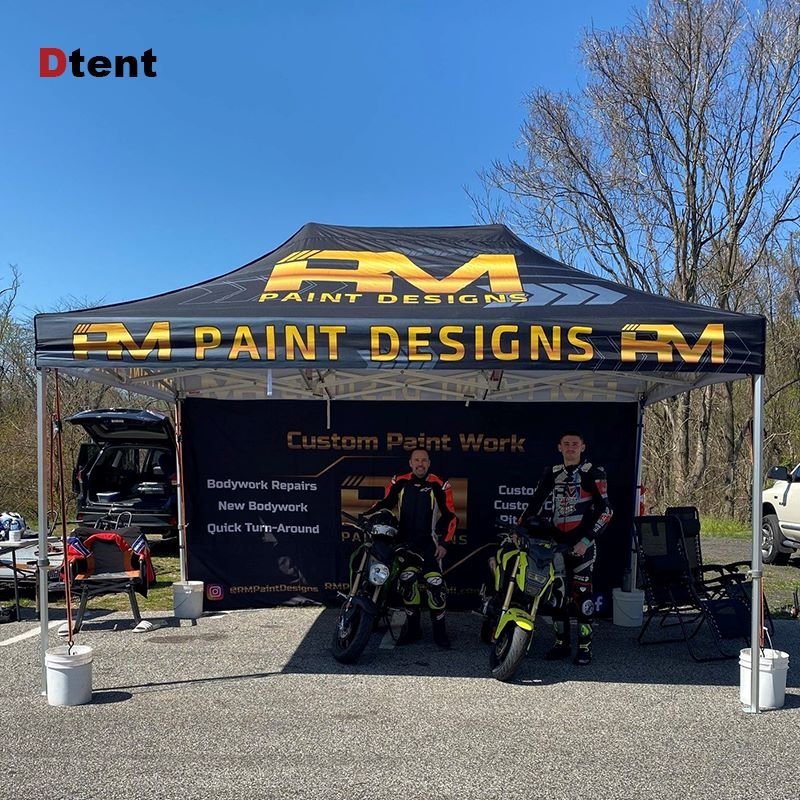
6. Custom Pop Up Canopy Printing Is More Than Logo Application
For many brands, printing is one of the most important aspects of customization.
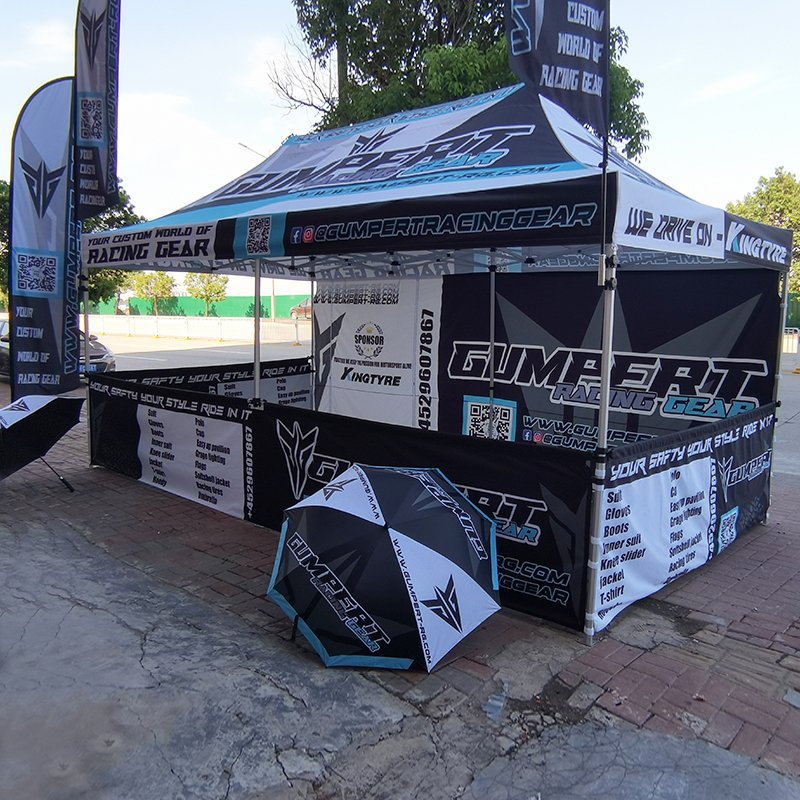
Une coutume Auvent escamotable can potentially carry graphics on:
- Toit
- Lambrequin
- Parois latérales
- Parois arrière
- panneaux de porte
- Banner components
Depending on the customer’s requirements, the graphics may include:
- Company logo
- Brand name
- Images du produit
- Slogans
- Graphiques de campagne
- Logos des sponsors
- codes QR
- Patterns
- Promotional messages
Full-color printing is particularly useful when the canopy is intended to function as a mobile advertising platform.
For example, a beverage brand can transform the entire canopy into a recognizable branded environment rather than simply placing a small logo on a white tent.
7. Dtent Helps Customers Customize the Entire Visual Identity
Professional customization should not stop at the roof.
A brand may want the entire structure to follow one visual system.
Dtent can support customization of:
Toit
The largest visual surface and one of the most important branding areas.
Lambrequin
Useful for displaying company names, logos, and short messages.
Parois latérales
Can carry product images, promotional graphics, or brand patterns.
Mur arrière
Can function as a large advertising panel or background for customer interaction.
Accessoires
Flags, banners, carrying bags, counters, and other components can also be coordinated with the brand identity.
This creates a more professional result than simply adding a logo to a standard canopy.
8. Dtent Provides Custom Pop Up Canopy Sizes
Different applications require different footprints.
Common commercial configurations include:
- 5 × 5 pi
- 8 × 8 pieds
- 10 × 10 pi
- 10 × 15 pi
- 10 × 20 pi
- 20 × 20 pi
Metric configurations can also be developed according to customer requirements.
The correct size depends on:
- Number of users
- Display equipment
- Tables
- Product quantity
- Customer traffic
- Transport
- Stockage
- emplacement d'installation
For example, a 10 × 10 ft canopy may be ideal for a compact promotional booth, while a 10 × 20 ft configuration can provide substantially more space for a larger commercial activation.
Dtent can help brands determine the appropriate size based on the intended application rather than selecting a size purely from a catalog.
9. Frame Engineering Is a Key Part of Dtent's Manufacturing Approach
The frame is the structural skeleton of a pop up canopy.
A commercial folding frame normally includes:
- Legs
- barres de renfort
- Corner connectors
- centres de données
- Telescoping sections
- Mécanismes de verrouillage
- Semelles
- Matériel
Each component contributes to the final performance.
For example, the truss bars transfer loads across the roof structure, while the legs transfer loads toward the ground.
The connectors are especially important because they join different structural elements.
For frequent commercial use, the frame must tolerate repeated:
- Setup
- Folding
- Transport
- Installation
- Dismantling
Therefore, Dtent considers frame structure as an engineering issue rather than simply an aesthetic feature.
10. Dtent Can Customize Pop Up Canopy Materials
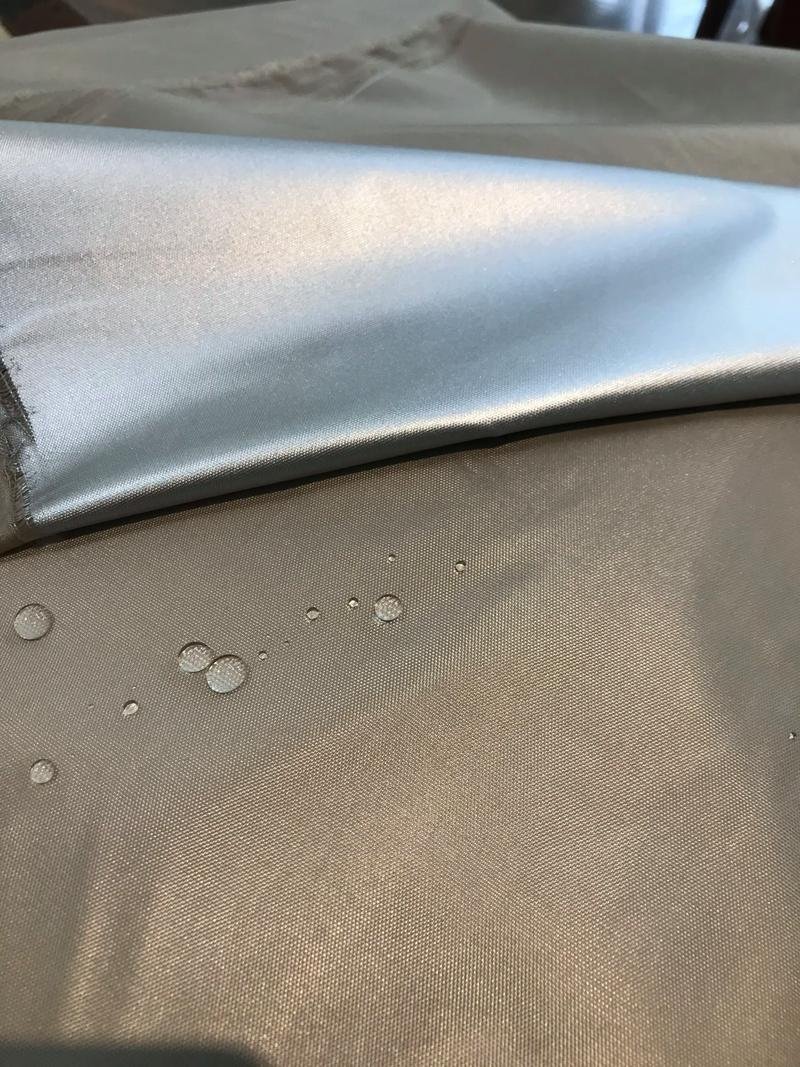
Different applications require different material combinations.
Potential considerations include:
- Aluminum frame
- Steel frame
- Polyester fabric
- Tissu Oxford
- Coated fabric
- Matériaux imperméables
- UV-resistant materials
- Reinforced sewing structures
Material selection should balance:
Durability + Weight + Cost + Appearance + Application
For example, a canopy designed for a marketing agency that transports equipment between cities may require a different balance of weight and durability than a structure intended for a rental company that expects frequent commercial use.
Dtent can evaluate the customer’s requirements and recommend a suitable material configuration.
11. Dtent Pays Attention to Pop Up Canopy Waterproofing
Outdoor tents must deal with rain, moisture, and changing weather conditions.
However, waterproofing is not simply a question of choosing “waterproof fabric.”
The finished roof depends on:
- Fabric coating
- Fabric construction
- Couture
- Seam structure
- Roof geometry
- Tension du tissu
- Thread
- Renforcement
- Manufacturing accuracy
A professional manufacturer therefore evaluates the complete roof assembly.
Dtent’s manufacturing process considers the interaction between fabric selection, cutting, sewing, and final assembly.
For brands selling canopies into outdoor markets, this holistic approach can be much more useful than comparing fabric specifications alone.
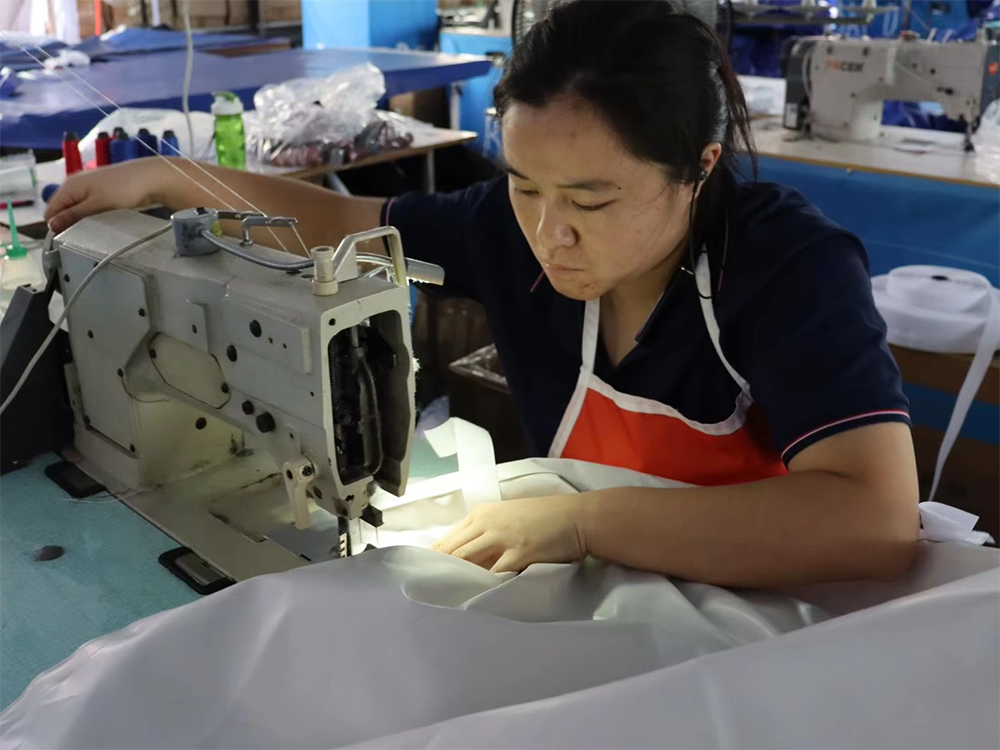
12. Dtent Focuses on Sewing Quality
Sewing is one of the most important manufacturing operations in a fabric tent.
Poor sewing can lead to:
- Uneven seams
- Weak stress points
- Loose threads
- Premature damage
- Poor appearance
- Graphic misalignment
A commercial canopy may be folded and unfolded repeatedly, which places mechanical stress on seams.
Important sewing areas can include:
- Corners
- Roof connections
- Hems
- Sidewall attachment points
- Fermetures à glissière
- Reinforced areas
Dtent treats sewing as a structural and quality-control process rather than simply a finishing operation.
13. Dtent Understands the Importance of Graphic Accuracy
A brand may spend considerable time developing its corporate identity.
Therefore, a logo that is incorrectly positioned or visually distorted can negatively affect the finished product.
Before mass production, artwork should be reviewed against the actual fabric panel.
Les facteurs importants comprennent :
- Logo position
- Logo scale
- Orientation
- Couleur
- Seam location
- Panel boundaries
- Bleed
- Image resolution
Dtent can work with customer-supplied artwork and production templates to reduce avoidable printing problems.
This is particularly important for customers ordering multiple batches of the same branded Auvent escamotable.
14. Consistent Pop Up Canopy Production Matters for Repeat Orders
A brand may not purchase only once.
Many commercial customers need:
- Initial sample
- First production order
- Repeat orders
- Additional sizes
- Replacement graphics
- New campaign graphics
Consistency therefore becomes critical.
The second order should match the approved first order as closely as the agreed specifications require.
This means controlling:
- Frame dimensions
- Fabric specifications
- Printing parameters
- Sewing dimensions
- Component specifications
- Conditionnement
Un professionnel fabrique d'auvents pop up should preserve the approved production specifications so that future orders can be reproduced efficiently.
15. Dtent Supports OEM and Private-Label Pop Up Canopy Projects
For brands, OEM manufacturing can be more valuable than purchasing generic products.
A private-label project may involve:
- Brand logo
- Customized product design
- Couleurs personnalisées
- Custom graphics
- Emballage sur mesure
- Product labels
- Accessoires
The brand can develop its own product identity while relying on Dtent for manufacturing.
This is particularly useful for:
- Promotional product companies
- Event companies
- Outdoor brands
- Marketing agencies
- Retail brands
- Sports brands
- Rental companies
- Distributors
Dtent’s role can extend from manufacturing a standard product to supporting the development of a brand-specific product solution.

16. Dtent Can Support Pop Up Canopy Prototyping
Before mass production, a physical sample is extremely valuable.
A prototype allows the customer to evaluate:
- Frame dimensions
- Tissu
- Impression
- Logo position
- Sidewall configuration
- Couture
- Accessoires
- Conditionnement
A sample can reveal problems that may not be obvious in a digital drawing.
For example, a logo that looks correctly positioned in a flat artwork file may appear too close to a seam once the canopy is assembled.
A physical prototype provides an opportunity to correct such details before mass production.
This can reduce production risk for both the manufacturer and the customer.
17. Dtent Provides a Complete Pop Up Canopy Manufacturing Workflow
A professional OEM project should follow a controlled sequence.
Étape 1 : Analyse des besoins
Dtent first reviews the customer’s:
- Application
- Taille
- Quantité
- Marché cible
- Image de marque
- Material requirements
- Accessoires
Step 2: Product Specification
The technical configuration is confirmed.
Step 3: Artwork Preparation
Customer graphics are adapted to production templates.
Step 4: Prototype Development
Un échantillon est produit pour évaluation.
Step 5: Sample Approval
The customer confirms:
- Structure
- Apparence
- Impression
- Function
- Accessoires
Step 6: Mass Production
The approved specifications become the production reference.
Étape 7 : Contrôle de la qualité
The finished products are inspected.
Step 8: Packaging
Products are packed according to the agreed shipping and branding requirements.
This structured workflow is especially important for international OEM customers.
18. Dtent Can Customize Pop Up Canopy Accessories
A canopy is often sold as a complete system rather than a frame and roof alone.
Dtent can support accessory customization such as:
- Roller bags
- Carry bags
- Weight bags
- Ground stakes
- Parois latérales
- Parois arrière
- Drapeaux
- Banner systems
- Other branded components
For frequent users, a well-designed roller bag can significantly improve transportation.
For outdoor events, appropriate ballast and anchoring equipment are also important.
This allows brands to develop a complete branded canopy package rather than sourcing every component separately.
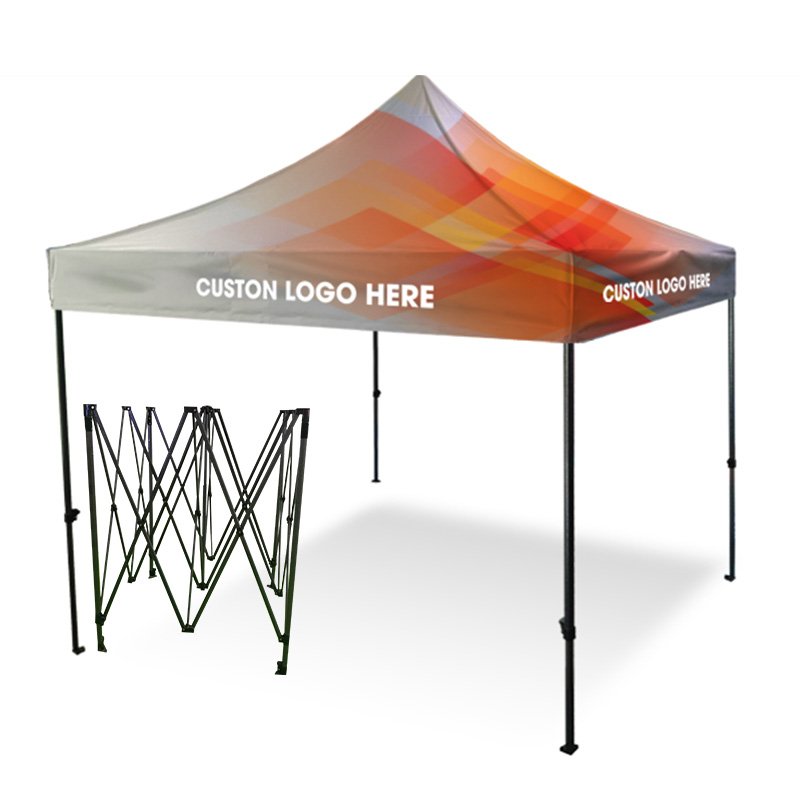
19. Dtent Understands Commercial Pop Up Canopy Transportation
Portability is one of the fundamental reasons businesses choose a pop up canopy.
However, portability involves more than folding the frame.
The manufacturer should consider:
- Folded dimensions
- Product weight
- Carrying method
- Roller bag design
- Packaging dimensions
- Carton protection
- Storage requirements
For international customers, shipping efficiency can have a significant impact on total landed cost.
Dtent can work with customers to determine appropriate packaging and transportation configurations according to the product requirements.
20. Dtent Can Help Brands Balance Cost and Performance
A professional manufacturer should not simply recommend the most expensive configuration.
The objective is to find the right balance between:
- Performance
- Durabilité
- Apparence
- Portabilité
- Production cost
- Marché cible
For example, a promotional campaign with limited use may not require the same frame specification as a rental company expecting hundreds of setup cycles.
Similarly, a premium automotive brand may prioritize visual appearance and branding over minimum weight.
Dtent can evaluate these requirements when developing the product specification.
21. Why Factory Direct Communication Matters
When developing a customized Auvent escamotable, communication is important.
A customer may have questions about:
- Frame dimensions
- Tissu
- Impression
- Artwork
- Parois latérales
- Matériel
- Conditionnement
- Production
Direct communication with a manufacturer can reduce the distance between the customer’s requirement and the production process.
This is particularly important when technical changes are required.
Par exemple:
Customer requirement → Engineering → Sample → Feedback → Modification → Final production
A manufacturer with direct production capability can participate in this entire process.
22. Dtent Is Suitable for Brands Looking for a Long-Term Pop Up Canopy Supplier
A good supplier should not be evaluated only on the first order.
Long-term cooperation requires:
- Stable product specifications
- Qualité constante
- Responsive communication
- Repeat-order capability
- Customization support
- Spare parts
- New graphic development
- Product improvement
For brands that regularly attend events, product consistency is particularly important.
The canopy used at one event should reinforce the same brand identity as the canopy used at the next event.
Dtent’s OEM manufacturing model is designed to support this type of ongoing cooperation.
23. Dtent Can Support Different Pop Up Canopy Business Models
Different customers purchase canopies for different commercial purposes.
Brand Owners
Need branded canopies for direct marketing.
Marketing Agencies
Need customized structures for different clients.
Promotional Product Distributors
Need OEM products for resale.
Event Companies
Need reusable commercial event structures.
Rental Companies
Need durable structures for repeated use.
Sports Organizations
Need branded team and sponsor canopies.
Retailers
Need outdoor promotional structures.
The same basic pop-up mechanism can therefore support many business models.
The manufacturer’s job is to adapt the configuration to the actual commercial requirement.
24. What Makes a Good Pop Up Canopy Manufacturer?
When comparing suppliers, brands should consider at least ten factors.
1. Manufacturing Experience
How long has the company been producing tents?
2. Factory Capability
Does it have an actual production facility?
3. OEM Experience
Can it manufacture according to customer-specific specifications?
4. Frame Engineering
Can it customize structural components?
5. Fabric Manufacturing
Does it understand cutting and sewing requirements?
6. Printing
Can it produce accurate branded graphics?
7. Quality Control
Does it have systematic inspection procedures?
8. Sampling
Can it produce physical prototypes?
9. Production Capacity
Can it handle repeat and bulk orders?
10. Communication
Can technical information be communicated clearly between the brand and factory?
Dtent is positioned around these requirements as a professional custom tent manufacturing partner.


25. What Should Brands Send to Dtent for a Custom Pop Up Canopy Project?
The more complete the initial information, the more efficiently the project can move forward.
Brands should ideally provide:
Product Information
- Required size
- Tent type
- Expected quantity
- Application
Branding Information
- Logo
- Couleurs de la marque
- Artwork
- Graphic files
- charte graphique
Structural Requirements
- Frame preference
- Height
- Sidewall requirements
- Entrance requirements
Performance Requirements
- Imperméabilisation
- Outdoor exposure
- Frequency of use
- Expected service conditions
Accessoires
- Roller bag
- Weight system
- Drapeaux
- Bannières
- Other components
Conditionnement
- Individual cartons
- Emballage de marque
- Labels
- Barcodes
- Product instructions
With this information, Dtent can better evaluate the project and propose an appropriate manufacturing solution.
26. Dtent's Advantage: One Partner for the Customization Process
The biggest advantage of working with an experienced fabrique d'auvents pop up is integration.
Instead of separately coordinating:
- Frame suppliers
- Fabric suppliers
- Printing suppliers
- Sewing suppliers
- Accessory suppliers
- Packaging suppliers
a brand can work with one manufacturing partner responsible for the finished product.
This can simplify:
Design → Sampling → Production → Quality Control → Packaging
For an international brand, reducing supplier complexity can make product development easier.
27. Custom Pop Up Canopy: From Brand Concept to Finished Product
A successful OEM project can be viewed as a transformation process.
Stage 1: Brand Concept
The customer has a brand identity and marketing objective.
↓
Stage 2: Product Requirement
The objective becomes a physical canopy specification.
↓
Stage 3: Engineering
The manufacturer determines the structure and materials.
↓
Stage 4: Graphic Development
The brand identity is adapted to the physical panels.
↓
Stage 5: Prototype
A physical sample is produced.
↓
Stage 6: Approval
The customer evaluates the product.
↓
Stage 7: Mass Production
The approved design is manufactured at scale.
↓
Stage 8: Commercial Application
The canopy becomes a reusable mobile brand asset.
This is the value of professional OEM manufacturing.
28. Why Choose Dtent for Your Custom Pop Up Canopy?
The answer can be summarized in eight points:
1. More Than 10 Years of Custom Tent Manufacturing Experience
Dtent has extensive experience in customized tent production.
2. 6,000㎡ Manufacturing Facility
The factory provides dedicated manufacturing space for commercial tent production.
3. OEM Customization
Dtent can manufacture according to customer-specific designs and requirements.
4. Custom Branding
Customers can provide their own logos, artwork, colors, and graphic designs.
5. Complete Product Customization
Customization can extend from the frame and fabric to sidewalls, accessories, and packaging.
6. Prototype Development
Physical samples allow customers to validate the product before mass production.
7. Commercial Manufacturing Focus
Dtent understands that commercial customers need products designed for repeated transportation, installation, and use.
8. Long-Term Brand Partnership
Dtent aims to support brands beyond a single order through repeat production and continued customization.
29. Dtent vs. a Generic Pop Up Canopy Supplier
The difference between a professional manufacturer and a generic supplier often becomes obvious during customization.
| Requirement | Generic Supplier | Professional Pop Up Canopy Manufacturer |
|---|---|---|
| Standard products | Usually available | Available |
| Custom size | May be limited | Can be developed |
| Custom frame | Often limited | Engineering support |
| Custom graphics | Basic | Professional artwork integration |
| Prototype | May be unavailable | Available |
| Emballage OEM | Limited | Available |
| Repeat production | Variable | Controlled specifications |
| Product development | Limited | Supported |
| Technical consultation | Limited | Application-based |
| Bulk manufacturing | Depends on sourcing | Factory-based production |
For brands developing their own products, the second model is usually more suitable.
30. Questions to Ask Before Choosing a Pop Up Canopy Factory
Before placing an order, ask the manufacturer:
Can you manufacture according to our design?
Can you print our logo and complete artwork?
Est-il possible de personnaliser le cadre ?
Can you develop a sample before mass production?
What materials do you recommend for our application?
How do you control printing consistency?
How do you inspect sewing quality?
Can you maintain the same specifications for repeat orders?
Can you customize packaging?
Can you provide replacement components?
These questions help distinguish a genuine manufacturing partner from a trading supplier.
Frequently Asked Questions About Choosing a Pop Up Canopy Manufacturer
Why should I choose a professional fabricant de tentes pliantes?
Un professionnel fabricant de tentes pliantes can provide more than standard products. It can support product engineering, material selection, custom printing, sampling, mass production, quality control, and OEM development.
Can Dtent print my company’s logo on a pop up canopy?
Yes. Dtent helps brands customize Auvent escamotable products using their own logos, graphics, colors, and designs.
Can Dtent manufacture a pop up canopy according to our own design?
Yes. Dtent provides OEM customization and can work with customer-specific product requirements and designs.
Can Dtent customize the size of a pop up canopy?
Yes. Depending on the application and structural requirements, Dtent can develop customized canopy dimensions.
Can Dtent customize sidewalls?
Yes. Sidewalls, backwalls, doors, windows, and other fabric configurations can be customized according to the project requirements.
Can Dtent provide samples before mass production?
Yes. Prototype development is an important part of the OEM process and allows customers to evaluate the physical product before large-scale manufacturing.
Is Dtent a pop up canopy factory or a trading company?
Dtent operates a 6,000㎡ manufacturing facility and focuses on custom tent manufacturing and OEM production.
What industries can use Dtent’s custom pop up canopies?
Custom canopies can be used by brands, sports organizations, retailers, event companies, marketing agencies, promotional companies, food and beverage businesses, automotive companies, and many other commercial users.
Can Dtent customize the packaging?
Yes. Packaging requirements can be discussed as part of the OEM project, including product packaging and other branding requirements.
Why is a factory important for custom pop up canopy production?
A factory-based manufacturer can directly control key production stages such as frame manufacturing, fabric cutting, printing, sewing, assembly, inspection, and packaging. This can improve consistency and simplify OEM communication.
Dtent Is More Than a Pop Up Canopy Supplier
Choosing a fabricant de tentes pliantes should not be based only on price, catalog photographs, or the appearance of one sample.
For brands, the real question is whether the manufacturer can consistently transform a product concept into a commercially reliable finished product.
A professional custom canopy requires coordination between:
Engineering + Materials + Textile Manufacturing + Printing + Sewing + Assembly + Quality Control + Packaging
Dtent brings these requirements together through more than 10 years of custom tent manufacturing experience and a 6,000㎡ production facility.
For brands, event companies, marketing agencies, distributors, sports organizations, retailers, and other commercial customers, Dtent can support customized Auvent escamotable projects from initial requirements through prototype development and mass production.
Customers can provide their own:
- Designs
- Logos
- Couleurs de la marque
- Graphique
- Dimensions
- Application requirements
Dtent can then help turn those requirements into a production-ready commercial canopy.
The result is not simply a temporary shelter.
It is a portable branded marketing structure engineered for real-world commercial use.
If your company is looking for a reliable fabrique d'auvents pop up or an experienced fabricant de tentes pliantes for OEM and customized production, Dtent can provide a complete manufacturing partnership—from the first design concept to the finished branded pop up canopy.
Vous êtes une société commerciale ou un fabricant ?
Nous sommes un fabricant spécialisé dans les tentes pliantes, les parapluies d'extérieur, les drapeaux de plage et les bannières publicitaires.
Pouvez-vous réaliser un design à partir de mes idées ou de mes dessins ?
Oui, nous avons des concepteurs expérimentés et notre propre usine de moulage. En fonction de vos besoins, nous pouvons concevoir ou ouvrir des moules à des prix compétitifs.
Combien de temps dure l'échantillonnage ?
Les échantillons seront prêts dans un délai de 5 à 7 jours, en fonction de vos exigences en matière d'impression et de matériaux.
Quel est votre avantage ?
Efficacité des coûts ; prix bas ; Efficacité des délais : nous nous engageons à effectuer les livraisons de masse dans les 30 jours Efficacité des services : nos vendeurs s'engagent à répondre à votre demande dans les 12 heures : Nos vendeurs s'engagent à répondre à votre demande dans les 12 heures. whatsapp 86 180 3827 3926