

Dernière mise à jour le 05/05/2026 par Expert en tentes sur mesure
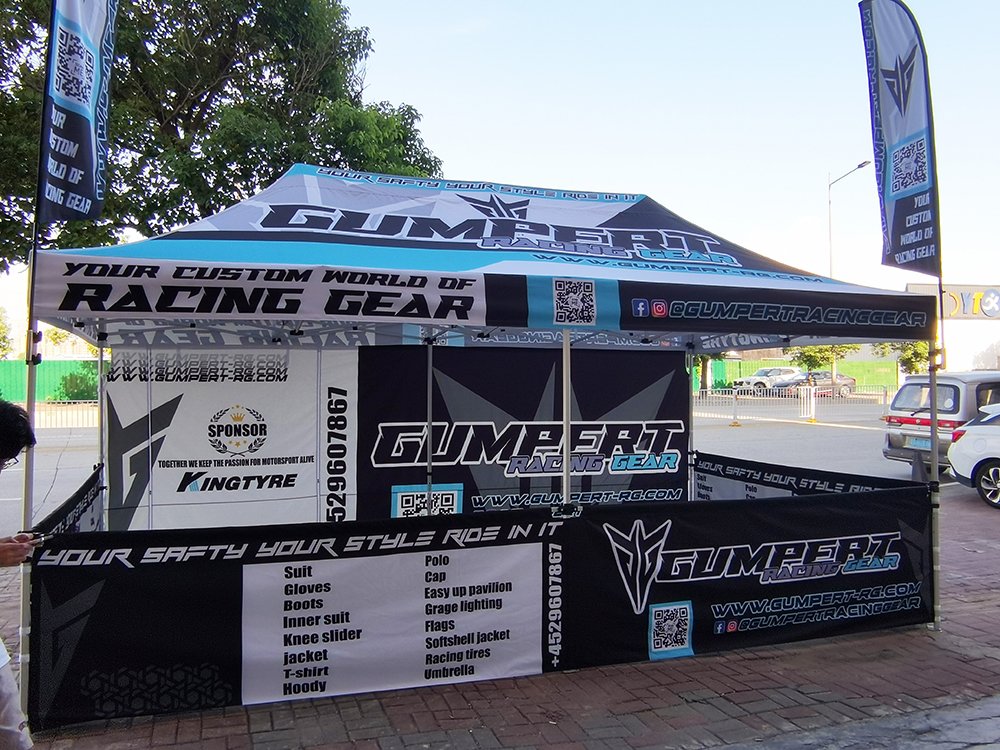
Dans le secteur des tentes événementielles, l'une des idées fausses les plus dangereuses est de croire que Les sacs de sable standard de 20 lb sont suffisants pour une utilisation en extérieur.. De nombreux fournisseurs proposent des solutions de ballast légères en pack, créant ainsi une fausse impression de sécurité. Or, les lois fondamentales de la physique révèlent une tout autre réalité :
Un vent de 32 km/h (20 mph) peut générer une force de soulèvement et une force latérale suffisantes pour nécessiter 60 lb (27 kg) ou plus par jambe—et encore plus lorsque des parois latérales sont installées.
Alors pourquoi cet écart existe-t-il entre la physique du monde réel et les pratiques industrielles ? Et pourquoi n’existe-t-il pas de méthode largement utilisée ? “Calculateur ” Vent contre ballast » qui prend en compte des variables comme les parois latérales agissant comme des voiles ?
Cet article fournit un décomposition technique, niveau ingénierie en matière de lestage des tentes, aidant ainsi les acheteurs à prendre des décisions éclairées et axées sur la sécurité, notamment lorsqu'ils s'approvisionnent auprès de fabricants expérimentés comme Dtent.
1. Pourquoi le lestage des tentes est-il mal compris ?
Le problème de l'industrie
La plupart des tentes sont vendues avec :
- sacs de sable de 10 à 20 lb
- Conseils d'ancrage minimaux
- Aucune résistance au vent liée au ballast
Cela conduit à :
- Tentes sous-lestées
- Instabilité structurelle
- Risques pour la sécurité lors d'événements publics
Le problème fondamental
La pondération est souvent considérée comme :
Une décision accessoire plutôt qu'une exigence structurelle
En réalité, le ballast est un système de sécurité primaire.
2. Comprendre les forces du vent sur les tentes
Formule de base de la pression du vent
La force du vent peut être approximée par :
Force = 0,5 × densité de l'air × vitesse du vent² × surface × coefficient de traînée
Simplifié pour une utilisation pratique :
- La pression du vent augmente de façon exponentielle avec la vitesse
- Doubler la vitesse du vent ≈ 4× la force
Exemple : vent de 32 km/h
À 20 mph :
- Pression ≈ 2,5–3,0 psf (livres par pied carré)
Pour une tente de 10×10 pieds :
- Surface de toiture : 100 pi²
- Surface de la paroi latérale (si installée) : environ 100 pi²
Surface totale exposée : ~200 pieds carrés
Force résultante
- 200 × 2,5 psf = force de 500 livres
Cette force est répartie dans toute la structure, mais doit finalement être contrée par :
- Ballast
- Système d'ancrage

3. Pourquoi les flancs changent tout
Les parois latérales agissent comme des voiles
Sans parois latérales :
- Le vent souffle au-dessus et autour de la tente.
Avec parois latérales :
- Le vent est piégé
- La pression monte
- La portance et la traînée augmentent considérablement.
Impact réel
L'ajout de parois latérales peut :
- Charge de vent double ou triple
- Créer des forces d'élévation
- Provoquer une défaillance structurelle soudaine
Aperçu clé
Une tente à parois latérales n'est plus seulement un abri ; elle se comporte comme :
A structure de voile sous charge
4. Pourquoi les sacs de sable de 9 kg ne suffisent pas
Déséquilibre poids-force
Si chaque jambe a :
- Poids de 20 lb × 4 pattes = 80 lb au total
Mais la force du vent = 500 lb+
Résultat
- La tente va bouger, se soulever ou s'effondrer.
Exigence réelle
Pour un vent de 20 mph :
- Minimum 60 lb par jambe (240 lb au total)
- Davantage si des parois latérales sont utilisées
Réalité du secteur
Les sacs de sable de 20 lb sont populaires car ils sont :
- Bon marché
- Facile à transporter
- favorable au marché
Mais ils le sont non conçu pour la sécurité.
5. Pourquoi n'existe-t-il pas de calculateur standard de vent et de ballast ?
Complexité des variables
Une calculatrice digne de ce nom doit prendre en compte :
- Taille de la tente
- Conception de cadre
- Tension du tissu
- vitesse du vent
- Direction du vent
- Parois latérales (activées/désactivées)
- frottement au sol
- Type d'ancre
Manque de normalisation
L'industrie du camping souffre de :
- Normes d'ingénierie unifiées
- Réglementations de sécurité obligatoires (sur de nombreux marchés)
Problèmes de responsabilité
Les fabricants évitent de publier les exigences exactes en matière de ballast parce que :
- Une mauvaise utilisation peut toujours provoquer des accidents
- La responsabilité légale est floue.
6. Analyse technique : Qu'est-ce qui détermine réellement les besoins en ballast ?
6.1. Dimensions de la tente
Tentes plus grandes :
- Capturez davantage de vent
- Nécessite une quantité de ballast exponentiellement plus importante
6.2. Hauteur et géométrie de la tente
Sommets plus élevés :
- Augmenter l'exposition au vent
- Élever le centre de pression
6.3. Rigidité du cadre
Cadres flexibles :
- Absorber l'énergie
- Mais peut se déformer
Cadres rigides :
- Transférez plus de force aux ancrages
6.4. Tension du tissu
Tissu ample :
- Volets → augmentation des charges dynamiques
Tissu serré :
- Réduit les turbulences
- Améliore la stabilité
6.5. Surface du sol
- L'herbe → les ancrages fonctionnent mieux
- Le béton → nécessite un ballast plus lourd
7. Directives pratiques relatives au ballast (utilisation concrète)
Pour une tente de 3 x 3 m
| Vitesse du vent | Pas de parois latérales | Avec parois latérales |
|---|---|---|
| <16 km/h | 20 à 30 lb/jambe | 40 lb/jambe |
| 16 à 32 km/h | 40 à 60 lb/jambe | 60–80 lb/jambe |
| 20 à 30 mph | 60–100 lb/jambe | 100–150 lb/jambe |
Règle clé
Si des parois latérales sont installées, augmenter le ballast d'au moins 50 à 100%
8. Types de systèmes de ballast pour tentes
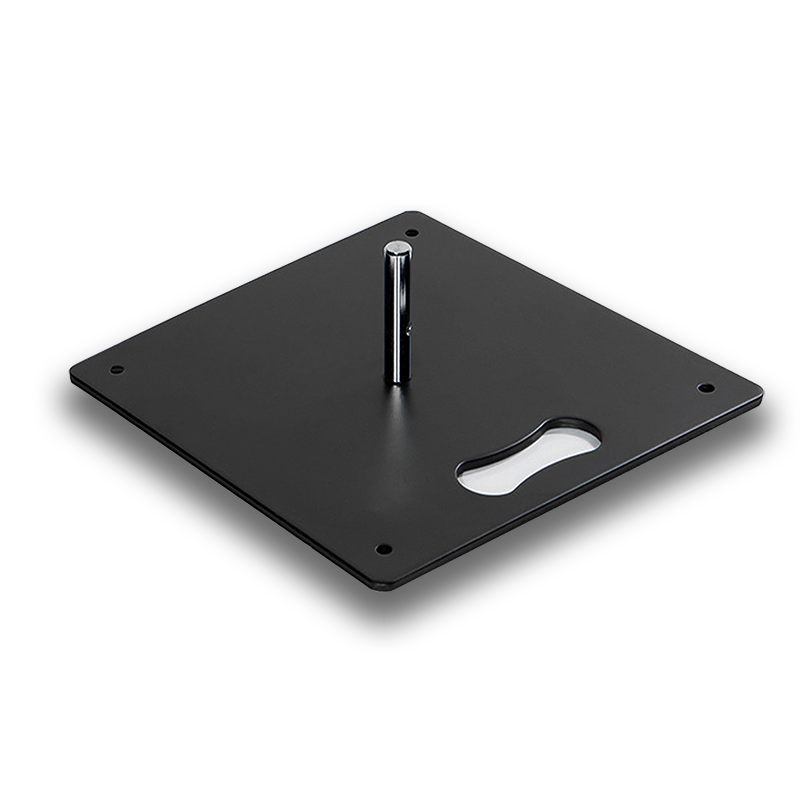
sacs de sable
- Portable
- Faible coût
- Efficacité limitée
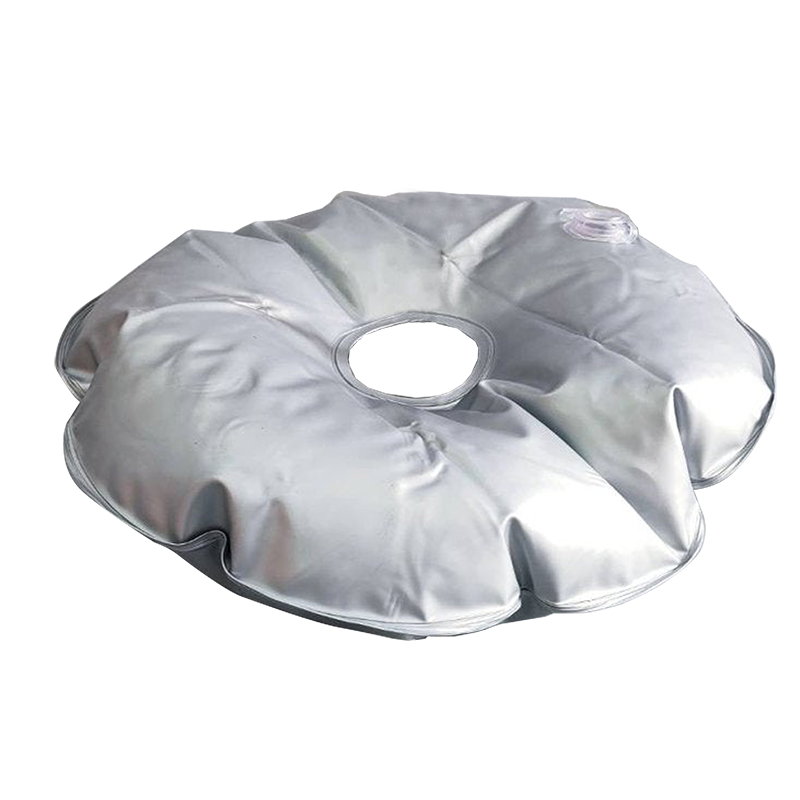
Poids de l'eau
- Facile à transporter vide
- Stabilité modérée
Plaques d'acier
- Haute densité
- Solution de qualité professionnelle
Ancrages au sol
- Idéal pour le gazon/le sol
- Fournir une force de maintien supérieure
Systèmes hybrides
Meilleures pratiques :
- Combinaison poids + ancrage
9. Erreurs courantes des acheteurs
Sous-estimer le vent
- “ Ce n'est qu'une légère brise. ”
- Les rafales de vent sont imprévisibles.
Ignorer les parois latérales
- Ajouter des murs sans augmenter le ballast
Utilisation d'une répartition inégale du poids
- Un côté plus lourd que l'autre
- Provoque une instabilité
Privilégier la portabilité à la sécurité
- Choisir des poids plus légers pour plus de commodité
10. Pourquoi Dtent conçoit pour une stabilité en conditions réelles
Dtent intègre l'ingénierie structurelle dans la conception des tentes pour assurer leur stabilité.
Approche d'ingénierie
- Géométrie du cadre équilibrée
- répartition optimisée de la charge
- Connecteurs renforcés
Recommandations professionnelles
Dtent fournit des conseils sur :
- exigences en matière de ballast
- Conditions de vent
- pratiques de configuration sûres
Expérience OEM
Forte de plus de 10 ans d'expérience dans le secteur manufacturier, Dtent accompagne les marques internationales avec :
- Performances structurelles fiables
- Systèmes de conception testés
- Qualité de production constante
11. L'avenir : Systèmes intelligents de production d'énergie éolienne et de ballast
Le secteur évolue vers :
- Calculateurs numériques de charge de vent
- Systèmes d'ancrage intelligents
- Surveillance du vent par capteurs
- Consignes de sécurité intégrées
Les fabricants qui privilégient la transparence en matière d'ingénierie domineront le marché.
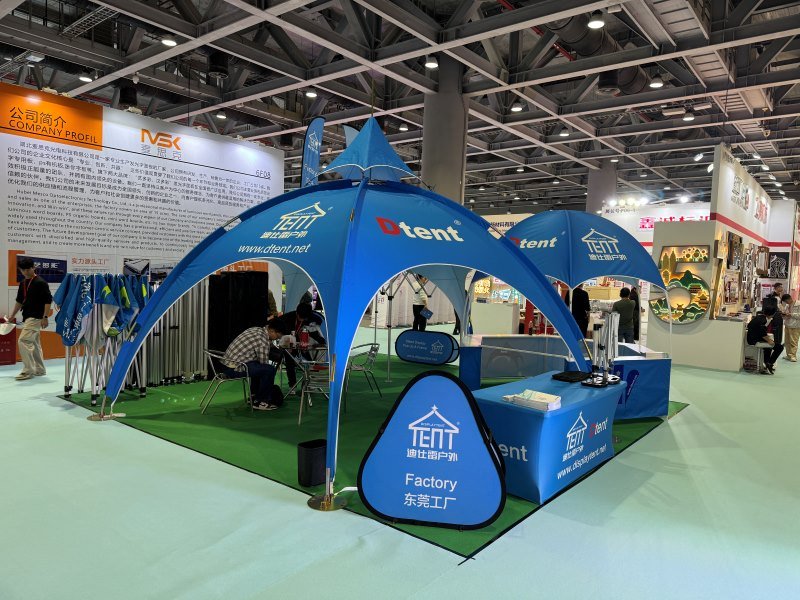
La pondération n'est pas optionnelle ; c'est un principe fondamental du génie structurel.
L'idée qu'une tente puisse fonctionner en toute sécurité avec L'idée que des sacs de sable de 9 kg (20 lb) puissent être utilisés dans de véritables conditions extérieures est un mythe..
Points clés à retenir
- La force du vent augmente de façon exponentielle avec la vitesse
- Les parois latérales augmentent considérablement la charge
- Un ballast approprié est essentiel pour la sécurité
- Il n'existe pas de solution universelle
- Les décisions fondées sur l'ingénierie sont essentielles
Pour les applications professionnelles, les acheteurs doivent traiter le ballast comme :
A Exigence structurelle fondamentale, et non accessoire
En collaborant avec des fabricants expérimentés comme Dtent, vous pouvez garantir que vos systèmes de tentes offrent :
- Stabilité en conditions réelles
- Sécurité des utilisateurs et des équipements
- fiabilité à long terme
Vous êtes une société commerciale ou un fabricant ?
Nous sommes un fabricant spécialisé dans les tentes pliantes, les parapluies d'extérieur, les drapeaux de plage et les bannières publicitaires.
Pouvez-vous réaliser un design à partir de mes idées ou de mes dessins ?
Oui, nous avons des concepteurs expérimentés et notre propre usine de moulage. En fonction de vos besoins, nous pouvons concevoir ou ouvrir des moules à des prix compétitifs.
Combien de temps dure l'échantillonnage ?
Les échantillons seront prêts dans un délai de 5 à 7 jours, en fonction de vos exigences en matière d'impression et de matériaux.
Quel est votre avantage ?
Efficacité des coûts ; prix bas ; Efficacité des délais : nous nous engageons à effectuer les livraisons de masse dans les 30 jours Efficacité des services : nos vendeurs s'engagent à répondre à votre demande dans les 12 heures : Nos vendeurs s'engagent à répondre à votre demande dans les 12 heures. whatsapp 86 180 3827 3926