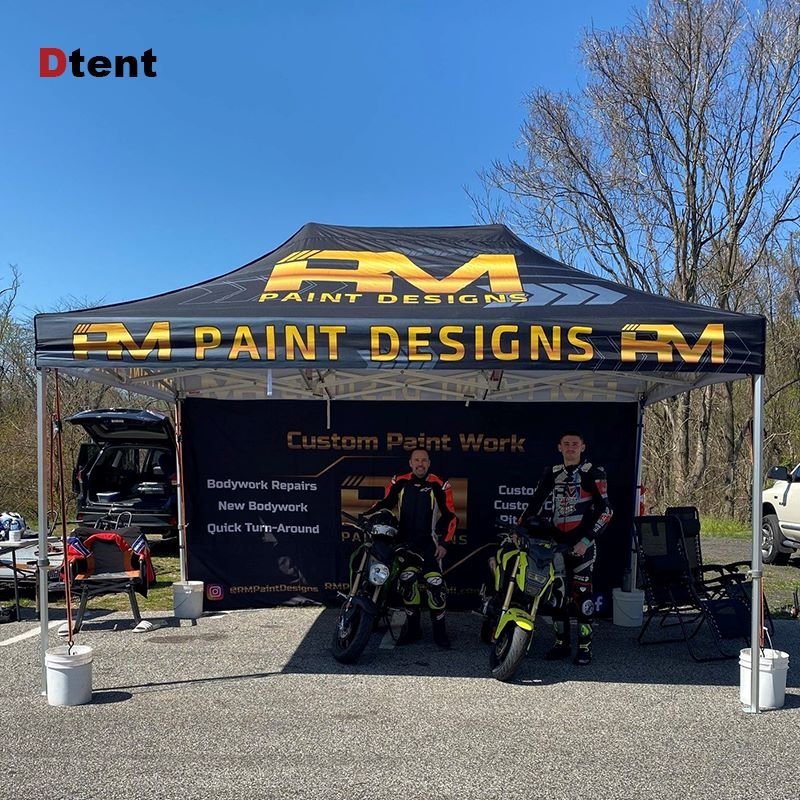


Pourquoi les pieds hexagonaux des auvents pliables se tordent-ils ? Guide technique complet par un professionnel Usine de canopées pliantes.
A Auvent escamotable Il s'agit de l'un des systèmes d'abris portables les plus utilisés au monde. Des salons professionnels et événements sportifs aux postes de secours, marchés de producteurs, campagnes promotionnelles et expositions en plein air, des millions de chapiteaux sont ouverts et fermés chaque année.
Lorsque les acheteurs comparent différents produits, ils se concentrent généralement sur :
- Couleur du tissu
- Qualité d'impression
- Performance en matière d'étanchéité
- Prix
- Accessoires
Cependant, les distributeurs et les sociétés de location expérimentés savent que la véritable qualité d'une tonnelle dépend d'un élément essentiel :
La structure de l'auvent escamotable.
Parmi tous les composants structurels, le Auvent escamotable à pieds hexagonaux Ces pieds supportent les charges les plus importantes. Ils soutiennent le toit, résistent aux forces du vent, transfèrent les charges au sol et maintiennent la géométrie de l'ensemble de la structure.
Malheureusement, une plainte revient sans cesse chez les acheteurs :
“ Pourquoi les pieds hexagonaux de ma tente pliante se tordent-ils après seulement quelques utilisations ? ”
Parfois, la verrière s'ouvre encore.
Il devient parfois difficile de le déployer.
Parfois, les jambes commencent à se frotter l'une contre l'autre.
Parfois, le verrouillage du cadre est irrégulier.
Finalement, la structure entière devient instable.
En tant que professionnel fabrique d'auvents pop up, Depuis plus de 10 ans, Dtent conçoit et fabrique des chapiteaux de qualité professionnelle pour des clients OEM du monde entier. Notre usine de 6 000 m² a produit des milliers de tentes événementielles sur mesure et de chapiteaux pliables ultra-résistants pour des marques en Europe, en Amérique du Nord, en Australie et en Asie.
Ce guide explique :
- Pourquoi les pieds hexagonaux se tordent-ils ?
- erreurs de fabrication courantes
- Mécanique structurale à l'origine de la rupture par torsion
- Sélection des matériaux
- Conception tubulaire
- Qualité de la soudure
- Charge du vent
- Méthodes d'inspection
- Comment les fabricants professionnels résolvent le problème
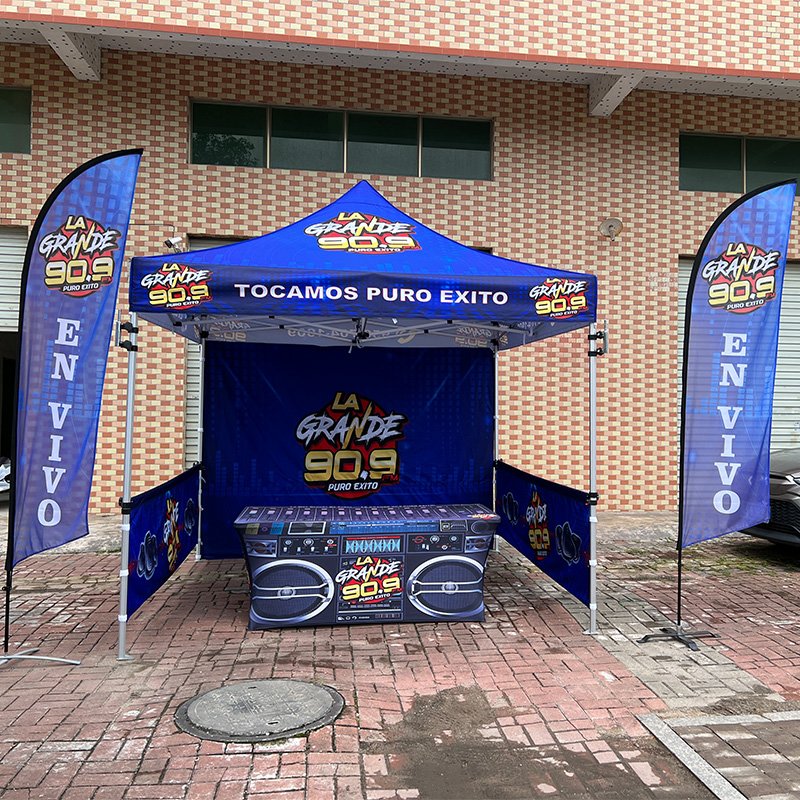
Pourquoi les pieds hexagonaux sont-ils populaires ?
Comparé aux pieds carrés, Auvent escamotable à pieds hexagonaux présentent plusieurs avantages en matière d'ingénierie.
Les avantages comprennent :
- meilleure rigidité en torsion
- Esthétique améliorée
- résistance à la flexion plus élevée
- Surface de contact plus large pour les connecteurs
- Apparence plus haut de gamme
Les auvents commerciaux professionnels utilisent souvent :
- pieds hexagonaux de 40 mm
- pieds hexagonaux de 50 mm
- Pieds hexagonaux de 55 mm
Cependant-
L'utilisation d'un tube hexagonal suffit. pas garantir la force.
Les détails techniques sont bien plus importants.
Comprendre pourquoi les pieds hexagonaux d'un auvent pliable se tordent
De nombreux acheteurs pensent que la torsion est due à des vents violents.
En réalité, le vent n'est généralement que le déclencheur final.
Les véritables causes apparaissent souvent dès la fabrication.
La torsion résulte généralement de l'action conjointe de plusieurs facteurs.
Cause 1 : Épaisseur de paroi mince
C'est la raison la plus courante.
Certaines usines font de la publicité pour :
“ Pieds hexagonaux robustes ”
Mais l'épaisseur de la paroi n'est que de :
- 0,8 mm
- 0,9 mm
Bien que ses dimensions extérieures paraissent importantes, le tube présente une très faible rigidité en torsion.
Les auvents commerciaux professionnels utilisent généralement des parois plus épaisses en fonction de l'application :
- 1,2 mm
- 1,5 mm
- 2,0 mm
L'augmentation de l'épaisseur de la paroi améliore considérablement la résistance à la torsion tout en maintenant une longue durée de vie.
Cause 2 : Alliage d’aluminium de faible qualité
L'aluminium n'est pas toujours identique.
Certains fournisseurs achètent de l'aluminium recyclé dont la composition est hétérogène.
Les problèmes rencontrés sont les suivants :
- limite d'élasticité inférieure
- résistance à la fatigue réduite
- Déformation permanente plus importante
Professionnel fabricants de tentes pliantes spécifient généralement des alliages tels que :
- 6061-T6
- 6063-T5
- 6063-T6
Ces matériaux offrent des performances mécaniques nettement supérieures à celles des alliages recyclés de faible qualité.
Cause 3 : Traitement thermique inadéquat
Même avec l'alliage approprié, un traitement thermique inadéquat peut réduire considérablement la résistance.
La trempe T5 ou T6 détermine :
- Dureté
- limite d'élasticité
- Récupération élastique
Sans vieillissement et trempe appropriés, le tube paraît “ mou ”.”
Les utilisateurs décrivent souvent cela comme suit :
“ Les jambes se plient avec très peu de force. ”
Cause 4 : Faiblesse de la liaison entre la structure et le pied
Il est possible que la jambe elle-même ne se torde pas.
Au contraire, l'articulation supérieure pivote.
Cela donne l'impression d'une jambe tordue.
Les conceptions professionnelles renforcent ce lien en utilisant :
- plaques de charnière plus grandes
- Supports usinés avec précision
- Fixation multipoint
- Rivets ou boulons à haute résistance
Cause 5 : Mauvaise géométrie du tube
Les tubes hexagonaux doivent être fabriqués avec des tolérances dimensionnelles très strictes.
Si l'extrusion est irrégulière :
- L'épaisseur de la paroi varie
- Les coins s'affaiblissent
- Le stress se concentre
Ces zones deviennent le point de départ de la déformation.
Cause 6 : Répartition inégale de la charge
La charge du toit doit être répartie équitablement entre tous les piliers.
Une géométrie de châssis inadéquate engendre une charge inégale.
Une jambe peut porter :
- charge du vent
- Charge de toiture
- Charge latérale
tout à coup.
Finalement, elle se tord de façon permanente.


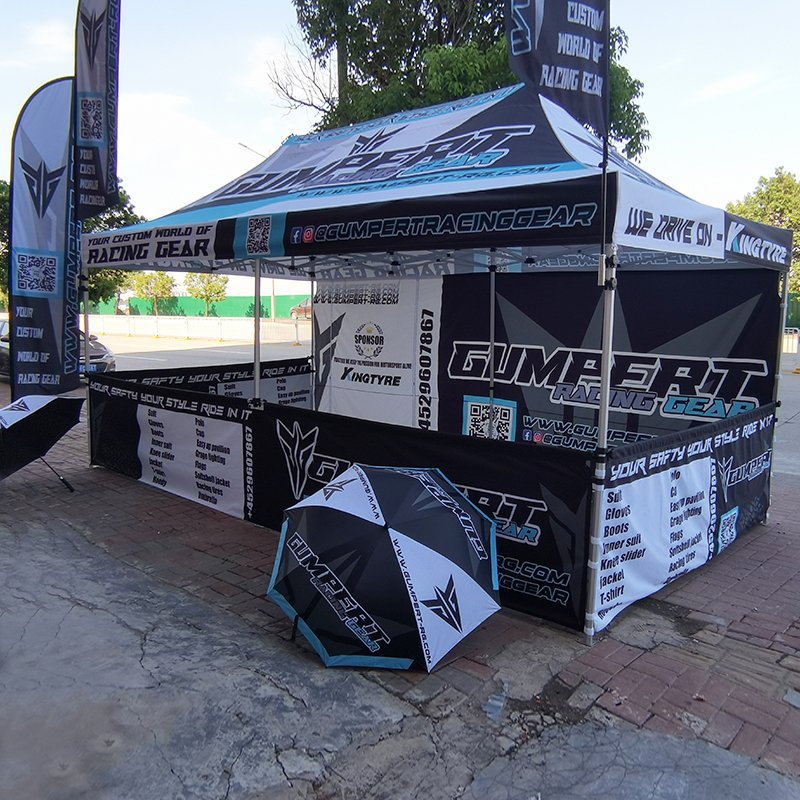
Mécanismes de la rupture par torsion
Les pieds hexagonaux subissent deux forces principales :
Flexion
Charges verticales sur la toiture.
Torsion
Charges rotationnelles causées par :
- Vent
- Tirage inégal
- levage incorrect
- Désalignement du cadre
L'ingénierie commerciale vise à résister simultanément aux deux.
Pourquoi le vent provoque-t-il des entorses aux jambes ?
Le vent souffle rarement parfaitement vers le bas.
Au lieu de cela, il crée :
- Soulèvement
- Chargement latéral
- Vibrations dynamiques
- Torsion cyclique
Les charges répétées fragilisent progressivement les cadres mal conçus.
Un tube hexagonal plus grand est-il toujours synonyme de meilleure qualité ?
De nombreuses publicités mettent l'accent sur :
Pieds hexagonaux de 50 mm
Cependant, le diamètre seul est trompeur.
Un pied de 40 mm correctement conçu avec :
- Meilleur alliage
- paroi plus épaisse
- Meilleure humeur
- Meilleurs connecteurs
peut être plus performant qu'un tube de 50 mm de mauvaise qualité.
L'ingénierie professionnelle évalue toujours :
- Géométrie
- Matériau
- Qualité de fabrication
- Chemin de chargement
plutôt qu'une seule spécification.
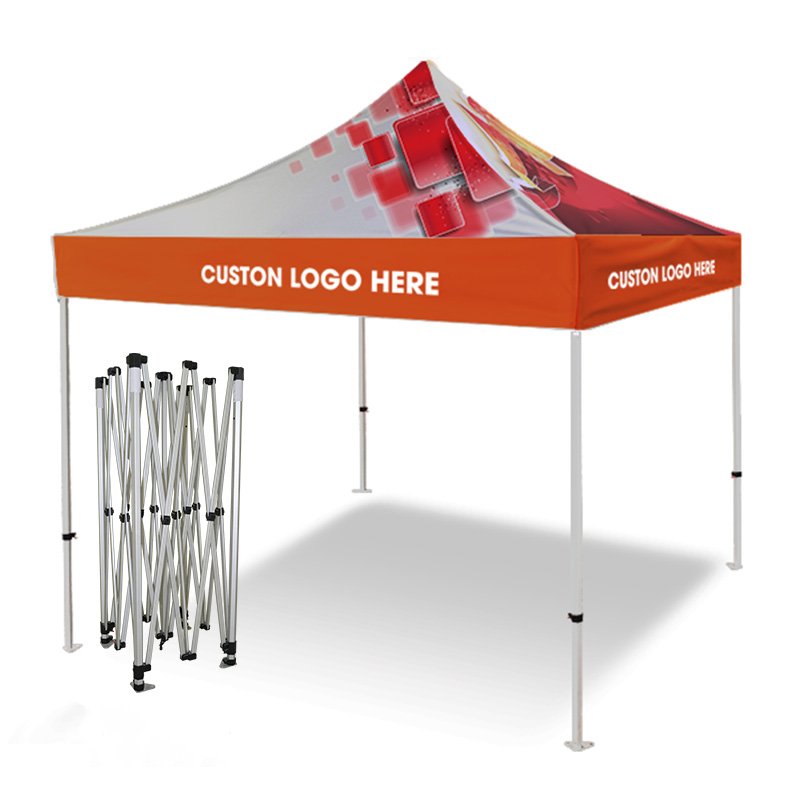
Comment une usine professionnelle de tentes pliantes évite les entorses
1. Sélection d'aluminium de haute qualité
Les usines professionnelles achètent des matières premières certifiées avec des certificats d'usine traçables.
Cela garantit une cohérence :
- composition chimique
- résistance mécanique
- Traitement thermique
2. Extrusion de tubes de précision
Les filières d'extrusion modernes permettent de maintenir :
- Épaisseur de paroi uniforme
- Géométrie des coins précise
- Dimensions constantes
Une mauvaise extrusion crée des points faibles cachés.
3. Traitement thermique T6 approprié
Le traitement thermique augmente significativement :
- limite d'élasticité
- Récupération élastique
- Fatigue vie
Sans un traitement thermique approprié, même les alliages coûteux offrent de mauvaises performances.
4. Équerres de renfort
Les joints soumis à de fortes contraintes nécessitent un renforcement.
Les fabricants professionnels utilisent :
- Connecteurs en acier épais
- Supports en aluminium usinés CNC
- Fixations multipoints
Ces composants empêchent tout mouvement de rotation entre la structure de la charpente et les pieds.
5. Conception optimisée de la structure en ciseaux
Une structure treillis stable répartit les forces uniformément.
Une géométrie de treillis inadéquate transfère un couple excessif aux différentes branches.
Les logiciels d'ingénierie tels que l'analyse par éléments finis (FEA) sont de plus en plus utilisés pour optimiser ces chemins de charge.
6. Tolérances de fabrication contrôlées
Les petites erreurs dimensionnelles s'accumulent.
Inspection des usines professionnelles :
- positions des trous
- rectitude du tube
- Alignement des connecteurs
- Ajustement coulissant
Un assemblage précis réduit les contraintes internes.
Comment les acheteurs peuvent inspecter les pieds hexagonaux
Avant de passer une commande importante auprès d'un fabricant d'équipement d'origine (OEM), examinez plusieurs détails.
Vérifier l'épaisseur de la paroi
Ne vous fiez pas aux spécifications du catalogue.
Mesurer à l'aide d'un appareil de mesure d'épaisseur à ultrasons ou découper un échantillon.
Examiner l'état de surface
Une mauvaise finition est souvent le signe d'un manque de rigueur dans la fabrication.
Cherchez :
- revêtement en poudre irrégulier
- Égratignures
- bords tranchants
Rigidité du cadre d'essai
Ouvrez complètement la verrière.
Appliquer une force latérale modérée.
Observez si :
- Les jambes tournent
- Les connecteurs se déplacent
- Le toit se déplace excessivement
Vérifier la fluidité du glissement
Le pied télescopique doit se déplacer sans à-coups.
Le fait de se lier indique souvent que la torsion a déjà commencé.
Demandez les rapports d'essais mécaniques
Professionnel usines d'auvents pop up devrait fournir une documentation couvrant :
- Essais de charge statique
- Tests de fatigue
- Résistance au vent
- Certificats de matériaux
Conseils d'entretien pour prévenir les torsions futures
Même un cadre haut de gamme nécessite une manipulation correcte.
Les meilleures pratiques comprennent :
Toujours déployer sur un terrain plat
Un terrain accidenté engendre des contraintes de torsion avant même que la canopée ne soit complètement ouverte.
Évitez de faire glisser le cadre
Le fait de traîner une jambe tord la structure.
Soulevez toujours à la place.
Utiliser un ballast approprié
La torsion induite par le vent est considérablement réduite lorsque la canopée est correctement ancrée.
Utilisez des systèmes de lestage conçus à cet effet au lieu de vous fier uniquement aux piquets.
Inspectez régulièrement les charnières.
Des charnières desserrées augmentent le mouvement de rotation.
Remplacez rapidement les fixations usées.
Conserver le cadre au sec
La corrosion à l'intérieur des articulations augmente la friction et les mouvements irréguliers.
Pourquoi les structures des auvents pliables Dtent résistent-elles à la torsion ?
En tant que professionnel fabricant de tentes pliantes, Dtent conçoit chaque cadre en privilégiant la longévité structurelle.
Notre philosophie d'ingénierie comprend :
Matériaux en aluminium certifiés
Seuls des alliages d'aluminium soigneusement sélectionnés sont utilisés pour les cadres de qualité commerciale.
Fabrication de précision
L'usinage CNC garantit des dimensions constantes pour chaque lot de production.
Pieds hexagonaux renforcés
L'épaisseur de paroi optimisée et la conception des joints améliorent la rigidité en torsion sans poids inutile.
Assistance technique OEM
Nous personnalisons :
- Dimensions du tube
- Systèmes de connecteurs
- Épaisseur de paroi
- Traitements de surface
- Capacités de charge
selon les exigences du client.
Contrôle qualité rigoureux
Chaque lot de production est soumis à des contrôles visant à vérifier :
- rectitude du tube
- Alignement articulaire
- fluidité d'ouverture
- performances de charge
- Précision dimensionnelle
Foire aux questions
Pourquoi mes jambes hexagonales se tordent-elles après seulement six mois ?
Les causes courantes incluent l'utilisation d'aluminium de mauvaise qualité, une faible épaisseur de paroi, une conception de connecteur défectueuse, un déploiement incorrect ou des charges de vent répétées.
L'acier est-il meilleur que l'aluminium ?
Pas nécessairement.
L'acier est plus résistant à poids égal, mais beaucoup plus lourd et plus sensible à la corrosion. L'aluminium traité thermiquement de haute qualité offre un excellent compromis entre résistance, poids et durabilité pour les auvents pliables commerciaux.
Les pieds de 50 mm sont-ils toujours plus résistants que ceux de 40 mm ?
Non. La qualité du matériau, l'épaisseur des parois, la trempe et la conception du cadre ont une influence bien plus importante que les seules dimensions extérieures.
Peut-on réparer des jambes tordues ?
Une déformation mineure peut parfois être corrigée, mais une fois que le tube a cédé de façon permanente, le remplacement est généralement la solution la plus sûre et la plus fiable.
Ajoutez votre titre ici
La performance d'un Auvent escamotable dépend fortement de la qualité de conception de son cadre, et de Auvent escamotable à pieds hexagonaux sont au cœur de cette performance. La torsion est rarement due à un seul facteur ; elle résulte généralement de compromis dans le choix des matériaux, l’épaisseur des parois, le traitement thermique, la conception des connecteurs, la précision de fabrication ou une utilisation inappropriée.
Une personne réputée fabrique d'auvents pop up Elle résout ces problèmes grâce à des alliages d'aluminium certifiés, une géométrie hexagonale optimisée des pieds, des joints renforcés, une fabrication de précision, un contrôle qualité rigoureux et des tests structurels en conditions réelles.
Chez Dtent, notre équipe d'ingénieurs met à profit plus de dix ans d'expérience dans la fabrication pour équipementiers afin de développer des auvents pliables de qualité professionnelle. Ces auvents offrent un fonctionnement fluide, une excellente rigidité en torsion et une fiabilité à long terme. En investissant dans une structure conçue par des professionnels plutôt que de simplement comparer les dimensions ou le prix, les acheteurs peuvent réduire considérablement leurs coûts de maintenance, améliorer la sécurité des utilisateurs et prolonger la durée de vie de leurs auvents.
Vous êtes une société commerciale ou un fabricant ?
Nous sommes un fabricant spécialisé dans les tentes pliantes, les parapluies d'extérieur, les drapeaux de plage et les bannières publicitaires.
Pouvez-vous réaliser un design à partir de mes idées ou de mes dessins ?
Oui, nous avons des concepteurs expérimentés et notre propre usine de moulage. En fonction de vos besoins, nous pouvons concevoir ou ouvrir des moules à des prix compétitifs.
Combien de temps dure l'échantillonnage ?
Les échantillons seront prêts dans un délai de 5 à 7 jours, en fonction de vos exigences en matière d'impression et de matériaux.
Quel est votre avantage ?
Efficacité des coûts ; prix bas ; Efficacité des délais : nous nous engageons à effectuer les livraisons de masse dans les 30 jours Efficacité des services : nos vendeurs s'engagent à répondre à votre demande dans les 12 heures : Nos vendeurs s'engagent à répondre à votre demande dans les 12 heures. whatsapp 86 180 3827 3926