

Last Updated on 05/05/2026 by Custom Tent Expert
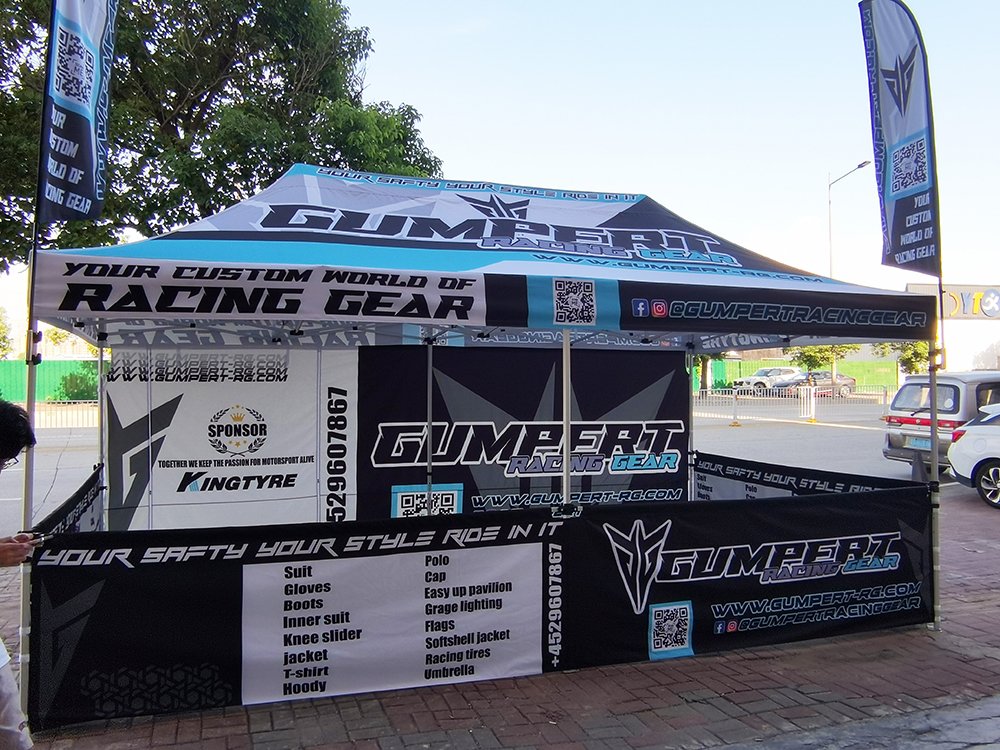
In the event tent industry, one of the most dangerous misconceptions is the belief that standard 20lb sandbags are sufficient for outdoor use. Many suppliers bundle lightweight ballast solutions, creating a false sense of security. However, basic physics tells a very different story:
A 20 mph (32 km/h) wind can generate enough uplift and lateral force to require 60 lb (27 kg) or more per leg—and even more when sidewalls are installed.
So why does this gap exist between real-world physics and industry practice? And why is there no widely used “Wind vs. Ballast” calculator that accounts for variables like sidewalls acting as sails?
This article provides a technical, engineering-level breakdown of tent weighting, helping buyers make informed, safety-driven decisions—especially when sourcing from experienced manufacturers like Dtent.
1. Why Tent Weighting Is Misunderstood
The Industry Problem
Most tents are sold with:
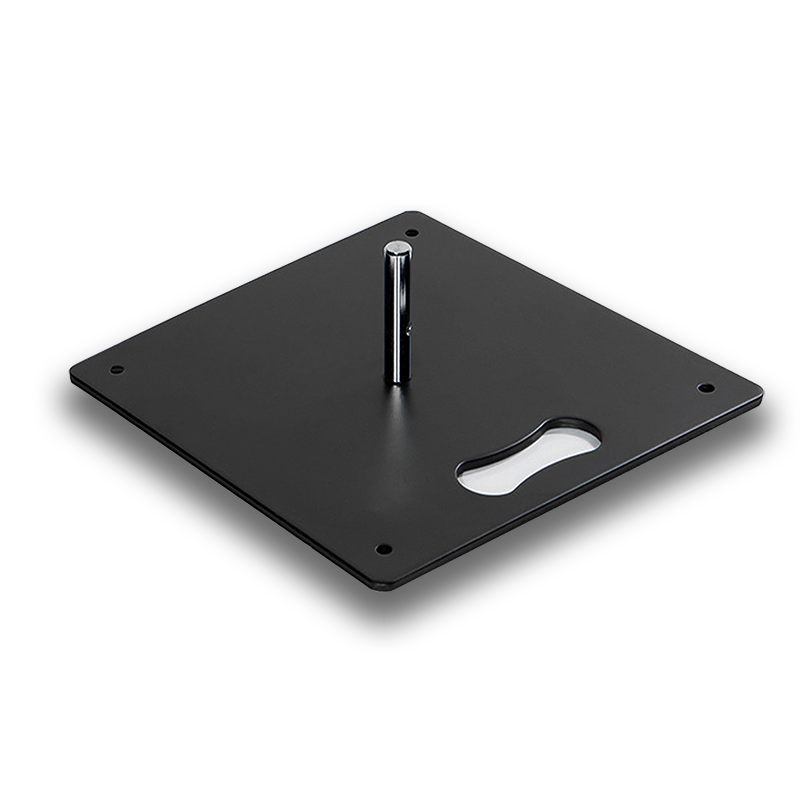
- 10 lb–20 lb sandbags
- Minimal anchoring guidance
- No wind rating tied to ballast
This leads to:
- Under-weighted tents
- Structural instability
- Safety hazards in public events
The Core Issue
Weighting is often treated as:
An accessory decision instead of a structural requirement
In reality, ballast is a primary safety system.
2. Understanding Wind Forces on Tents
Basic Wind Pressure Formula
Wind force can be approximated by:
Force = 0.5 × air density × wind speed² × area × drag coefficient
Simplified for practical use:
- Wind pressure increases exponentially with speed
- Doubling wind speed ≈ 4× force
Example: 20 mph Wind
At 20 mph:
- Pressure ≈ 2.5–3.0 psf (pounds per square foot)
For a 10×10 ft tent:
- Roof area: 100 sq ft
- Sidewall area (if installed): ~100 sq ft
Total exposed area: ~200 sq ft
Resulting Force
- 200 × 2.5 psf = 500 lbs of force
This force is distributed across the structure—but must ultimately be resisted by:
- Ballast
- Anchoring system

3. Why Sidewalls Change Everything
Sidewalls Act Like Sails
Without sidewalls:
- Wind flows over and around the tent
With sidewalls:
- Wind is trapped
- Pressure builds up
- Lift and drag increase dramatically
Real Impact
Adding sidewalls can:
- Double or triple wind load
- Create uplift forces
- Cause sudden structural failure
Key Insight
A tent with sidewalls is no longer just a canopy—it behaves like:
A sail structure under load
4. Why 20lb Sandbags Are Not Enough
Weight vs Force Imbalance
If each leg has:
- 20 lb weight × 4 legs = 80 lb total
But wind force = 500 lb+
Result
- The tent will move, lift, or collapse
Real Requirement
For a 20 mph wind:
- Minimum 60 lb per leg (240 lb total)
- More if sidewalls are used
Industry Reality
20 lb sandbags are popular because they are:
- Cheap
- Easy to transport
- Market-friendly
But they are not engineered for safety.
5. Why There Is No Standard Wind vs Ballast Calculator
Complexity of Variables
A proper calculator must consider:
- Tent size
- Frame design
- Fabric tension
- Wind speed
- Wind direction
- Sidewalls (on/off)
- Ground friction
- Anchor type
Lack of Standardization
The tent industry lacks:
- Unified engineering standards
- Mandatory safety regulations (in many markets)
Liability Concerns
Manufacturers avoid publishing exact ballast requirements because:
- Misuse can still cause accidents
- Legal responsibility is unclear
6. Engineering Breakdown: What Actually Determines Ballast Needs
6.1. Tent Size
Larger tents:
- Capture more wind
- Require exponentially more ballast
6.2. Tent Height and Geometry
Higher peaks:
- Increase wind exposure
- Raise center of pressure
6.3. Frame Rigidity
Flexible frames:
- Absorb energy
- But may deform
Rigid frames:
- Transfer more force to anchors
6.4. Fabric Tension
Loose fabric:
- Flaps → dynamic loads increase
Tight fabric:
- Reduces turbulence
- Improves stability
6.5. Ground Surface
- Grass → anchors work better
- Concrete → requires heavier ballast
7. Practical Ballast Guidelines (Real-World Use)
For 10×10 ft Tent
| Wind Speed | No Sidewalls | With Sidewalls |
|---|---|---|
| <10 mph | 20–30 lb/leg | 40 lb/leg |
| 10–20 mph | 40–60 lb/leg | 60–80 lb/leg |
| 20–30 mph | 60–100 lb/leg | 100–150 lb/leg |
Key Rule
If sidewalls are installed, increase ballast by at least 50–100%
8. Types of Tent Ballast Systems
Sandbags
- Portable
- Low cost
- Limited effectiveness
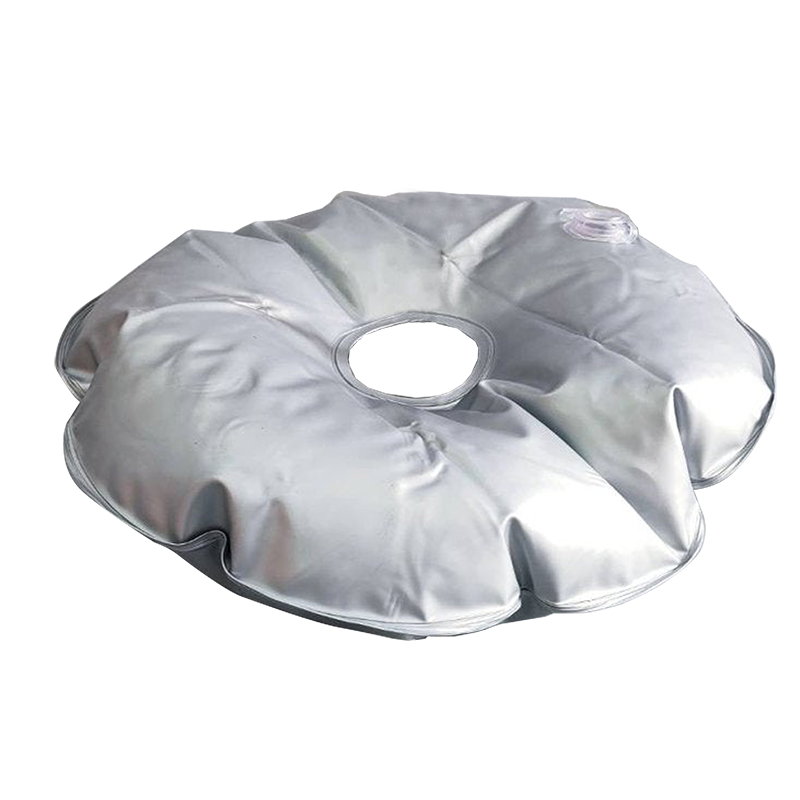
Water Weights
- Easy to transport empty
- Moderate stability
Steel Plates
- High density
- Professional-grade solution
Ground Anchors
- Best for grass/soil
- Provide superior holding power
Hybrid Systems
Best practice:
- Combine weight + anchoring
9. Common Mistakes Buyers Make
Underestimating Wind
- “It’s just a light breeze”
- Wind gusts are unpredictable
Ignoring Sidewalls
- Adding walls without increasing ballast
Using Uneven Weight Distribution
- One side heavier than others
- Causes instability
Prioritizing Portability Over Safety
- Choosing lighter weights for convenience
10. Why Dtent Designs for Real-World Stability
Dtent integrates structural engineering into tent design to ensure stability.
Engineering Approach
- Balanced frame geometry
- Optimized load distribution
- Reinforced connectors
Professional Recommendations
Dtent provides guidance on:
- Ballast requirements
- Wind conditions
- Safe setup practices
OEM Experience
With over 10 years of manufacturing experience, Dtent supports global brands with:
- Reliable structural performance
- Tested design systems
- Consistent production quality
11. The Future: Smart Wind & Ballast Systems
The industry is evolving toward:
- Digital wind load calculators
- Smart anchoring systems
- Sensor-based wind monitoring
- Integrated safety guidelines
Manufacturers who embrace engineering transparency will lead the market.
Weighting Is Not Optional—It Is Structural Engineering
The idea that a tent can safely operate with 20 lb sandbags in real outdoor conditions is a myth.
Key Takeaways
- Wind force increases exponentially with speed
- Sidewalls dramatically increase load
- Proper ballast is essential for safety
- There is no one-size-fits-all solution
- Engineering-based decisions are critical
For professional applications, buyers must treat ballast as:
A core structural requirement, not an accessory
By working with experienced manufacturers like Dtent, you can ensure your tent systems deliver:
- Stability under real conditions
- Safety for users and equipment
- Long-term reliability
Are you a Trading Company or Manufacturer?
We are a manufacturer specialized in Folding tents, Outdoor umbrellas, Beach flags, Advertising Banners
Can you do design for my ideas or drawing?
Yes, we have experienced designers and our own molding factory. According to your requirements, we can design or open mold which has a competitive price.
How long does sample take?
Sample will be ready within 5-7 days, depends on your printing and material requirements.
What is your advantage?
Cost effective; with low price; Time effective: we promise to make the mass delivery within 30 days Service effective: Our sales people promise to reply your enquiry within 12 hours.Contact whatsapp 86 180 3827 3926