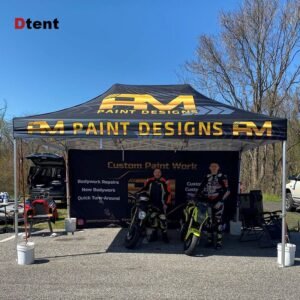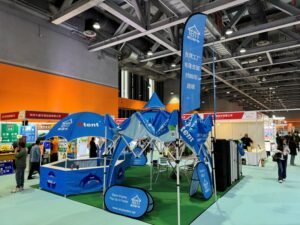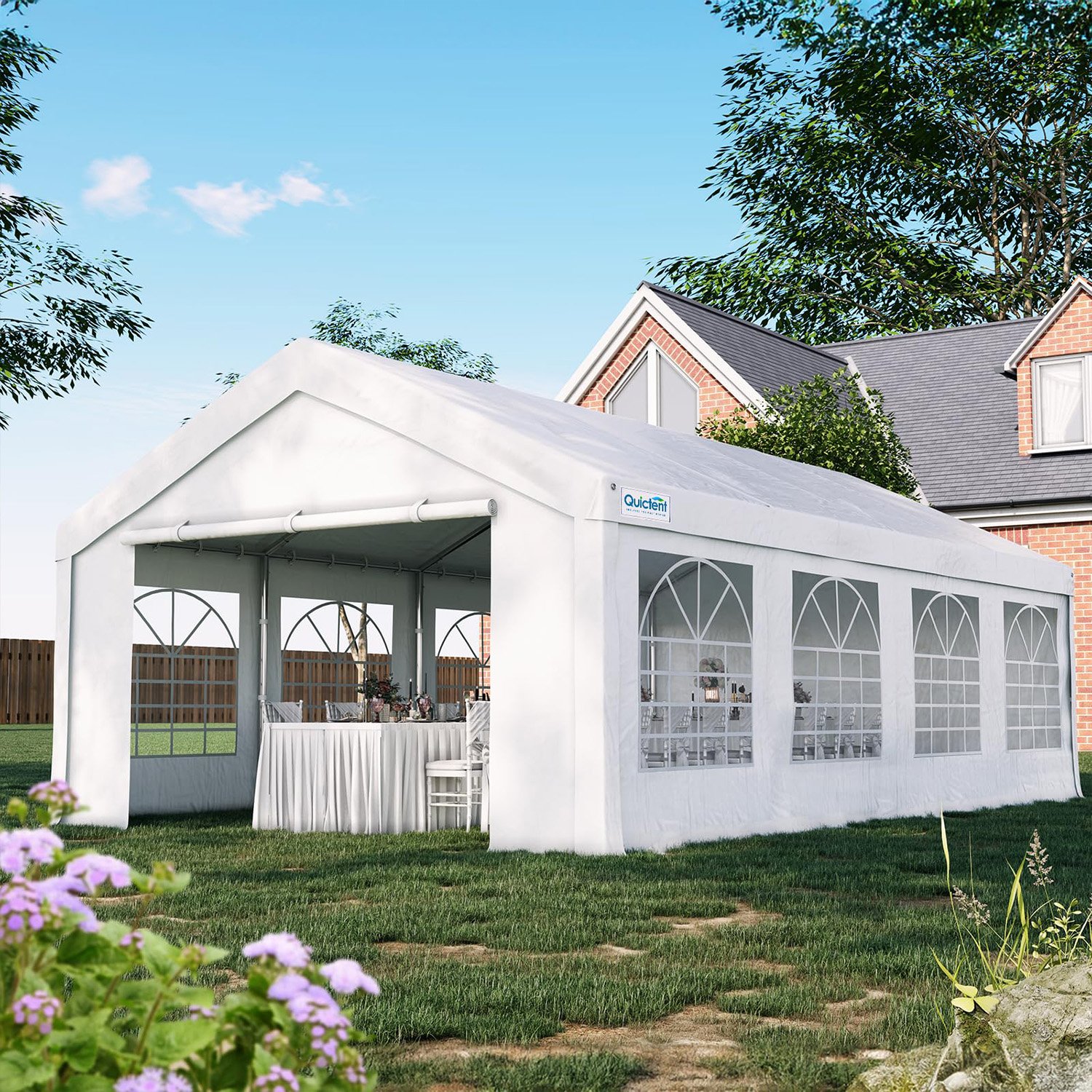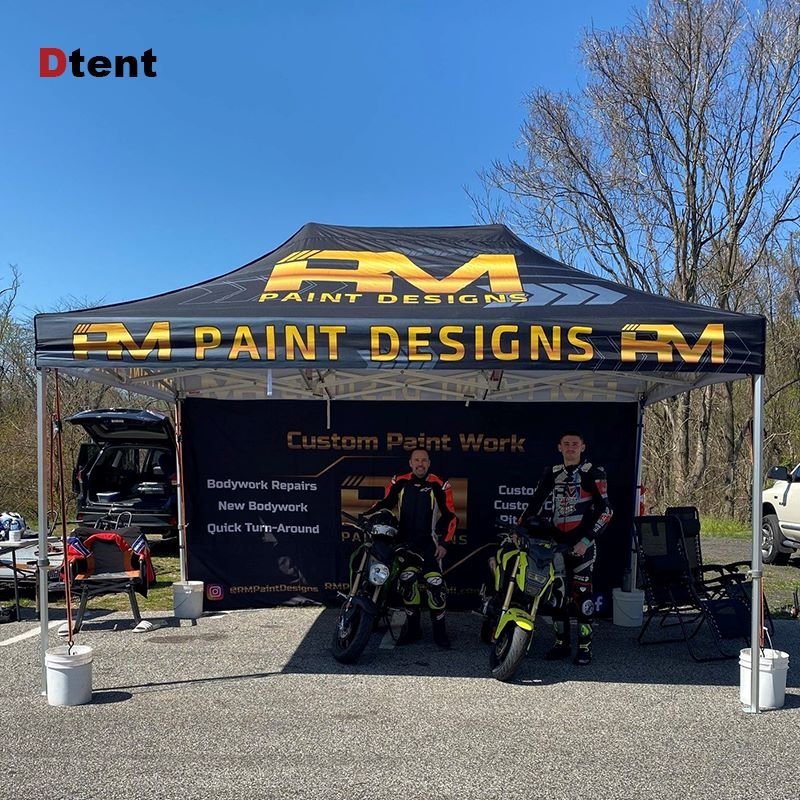


A купольная палатка is one of the most visually impressive structures available for outdoor events. Whether used for exhibitions, brand activations, sports events, glamping resorts, wedding venues, or temporary commercial spaces, dome tents offer a unique combination of aesthetics and structural efficiency.
However, every experienced производитель купольных палаток knows there is one question that often determines whether a project succeeds or fails:
“How do I safely anchor a dome tent when I cannot drill into the ground?”
This question is especially common for event organizers working at:
- Convention centers
- Public plazas
- Stadiums
- Parking lots
- Shopping malls
- Airports
- Historical sites
- Urban commercial spaces
In these environments, drilling into concrete is usually prohibited.
The challenge becomes even more serious because a купольная палатка behaves very differently from a traditional tent.
From an engineering perspective:
A dome tent is essentially a giant aerodynamic sail.
The larger the dome, the greater the wind load acting on the structure.
This creates a difficult balancing act between:
- Безопасность
- Installation costs
- Site restrictions
- Transportation logistics
Как профессионал завод по производству купольных палаток with over 10 years of manufacturing experience, Dtent regularly helps clients solve these anchoring challenges. This guide explains the real-world physics behind dome tent ballast systems and how to secure a dome tent safely without spending more on ballast than on the tent itself.

Why Dome Tents Generate Massive Wind Loads
Many people assume a dome shape naturally eliminates wind pressure.
This is only partially true.
While a dome tent is more aerodynamic than a traditional frame tent, it still captures enormous wind forces.
Consider a common event dome:
- Diameter: 10m (33ft)
- Height: 5m (16ft)
Its projected surface area can easily exceed:
- 500–700 square feet
Under a 40mph wind, this surface can generate thousands of pounds of lateral force.
Under gust conditions, loads increase dramatically.
Unlike snow loads, wind loads are dynamic.
Это означает:
- Pressure changes constantly
- Gusts create shock loading
- Uplift forces can suddenly increase
This is why poorly anchored dome tents can slide, rotate, or even become airborne.
Why You Often Cannot Use Ground Anchors
The simplest anchoring solution is usually:
- Ground stakes
- Earth anchors
- Helical anchors
However, many event sites prohibit penetration into the surface.
Common restrictions include:
Concrete Event Venues
Drilling is not allowed due to structural concerns.
Shopping Centers
Property owners prohibit surface damage.
Stadium Concourses
Underground utilities create drilling risks.
Historic Locations
Preservation regulations prevent anchoring.
Temporary Event Permits
Site agreements may specifically ban drilling.
This leaves organizers with one option:
Ballast Systems
What Is Ballast?
Ballast is any non-permanent weight used to resist:
- Uplift
- Sliding
- Overturning
Instead of anchoring the tent to the ground, ballast uses mass to keep the structure in place.
Common ballast options include:
Concrete Blocks
Water Ballast Tanks
Steel Weight Plates
Мешки с песком
Modular Ballast Frames
Decorative Ballast Seating Systems
The goal is simple:
Create enough downward force to counteract wind loads.


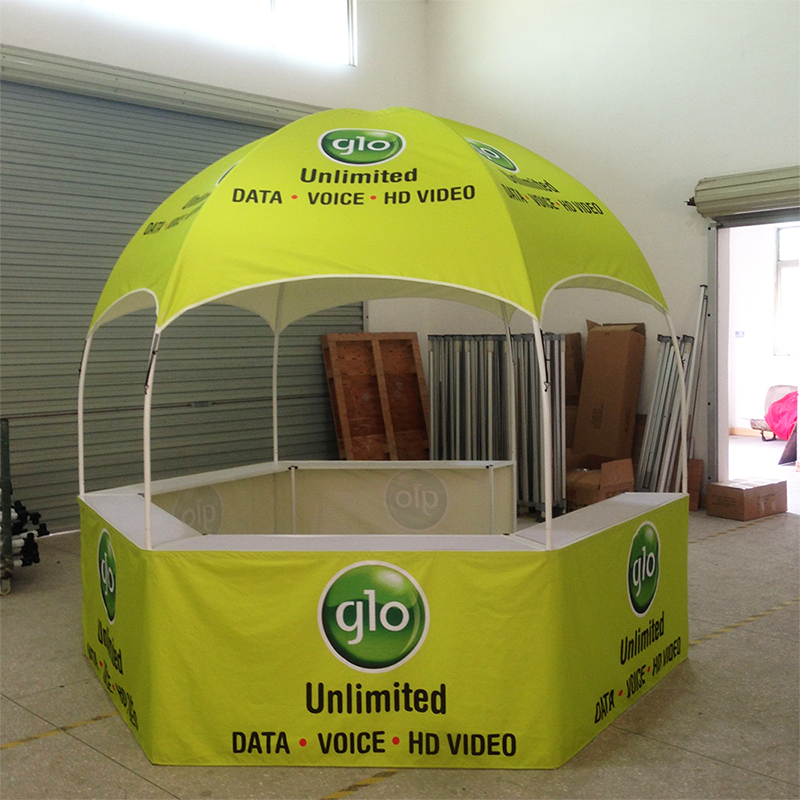
Why Most Dome Tent Ballast Recommendations Are Wrong
One of the biggest frustrations for event planners is receiving vague advice such as:
“Use 500kg of ballast.”
Или:
“Use four concrete blocks.”
These recommendations often ignore critical variables.
Every dome tent installation is unique.
Factors affecting ballast requirements include:
Dome Diameter
Larger domes generate larger loads.
Dome Height
Higher structures experience greater overturning moments.
Скорость ветра
Wind force increases exponentially.
Боковые стенки
Walls dramatically increase wind loads.
Surface Friction
Concrete behaves differently than asphalt.
Local Building Codes
Some jurisdictions require engineered calculations.
Without considering these variables, ballast recommendations are largely guesswork.
Is There a Certified Dome Tent Ballast Calculation?
Краткий ответ:
Yes—but it depends on the jurisdiction.
Professional structural engineers calculate ballast requirements using:
ASCE 7 (United States)
Eurocode EN 1991 (Europe)
Australian Wind Standards
Local Building Regulations
These calculations typically consider:
- Wind pressure
- Structure geometry
- Exposure category
- Terrain roughness
- Gust factors
- Safety factors
The result is a site-specific ballast requirement.
Why Engineered Ballast Can Cost More Than the Dome Tent
Many first-time buyers are shocked when they receive engineering reports.
Example:
A 10m commercial dome tent may cost:
- $8,000–$15,000
Yet required ballast may weigh:
- 4,000–10,000 lbs
Transporting and installing this ballast can cost several thousand dollars.
For large domes:
- Ballast costs sometimes exceed tent costs.
This is not because engineers are overly conservative.
It is because wind loads are powerful.
Physics does not negotiate.
The Most Cost-Effective Ballast Solutions
Water Ballast Systems
One of the most popular solutions.
Преимущества:
- Easy transportation
- Filled on-site
- Lower freight costs
Недостатки:
- Requires water access
- Potential freezing issues
Best for:
- Фестивали
- Temporary events
- Urban venues
Concrete Ballast Blocks
The industry standard.
Преимущества:
- High density
- Proven reliability
Недостатки:
- Heavy transportation costs
- Requires machinery
Best for:
- Долгосрочные установки
Steel Ballast Plates
Common for premium commercial dome tent projects.
Преимущества:
- Compact footprint
- High density
Недостатки:
- Higher initial cost
Best for:
- High-end event venues
Hybrid Ballast Systems
Many experienced dome tent manufacturers recommend combining:
- Water tanks
- Steel plates
- Concrete weights
This balances:
- Расходы
- Логистика
- Безопасность
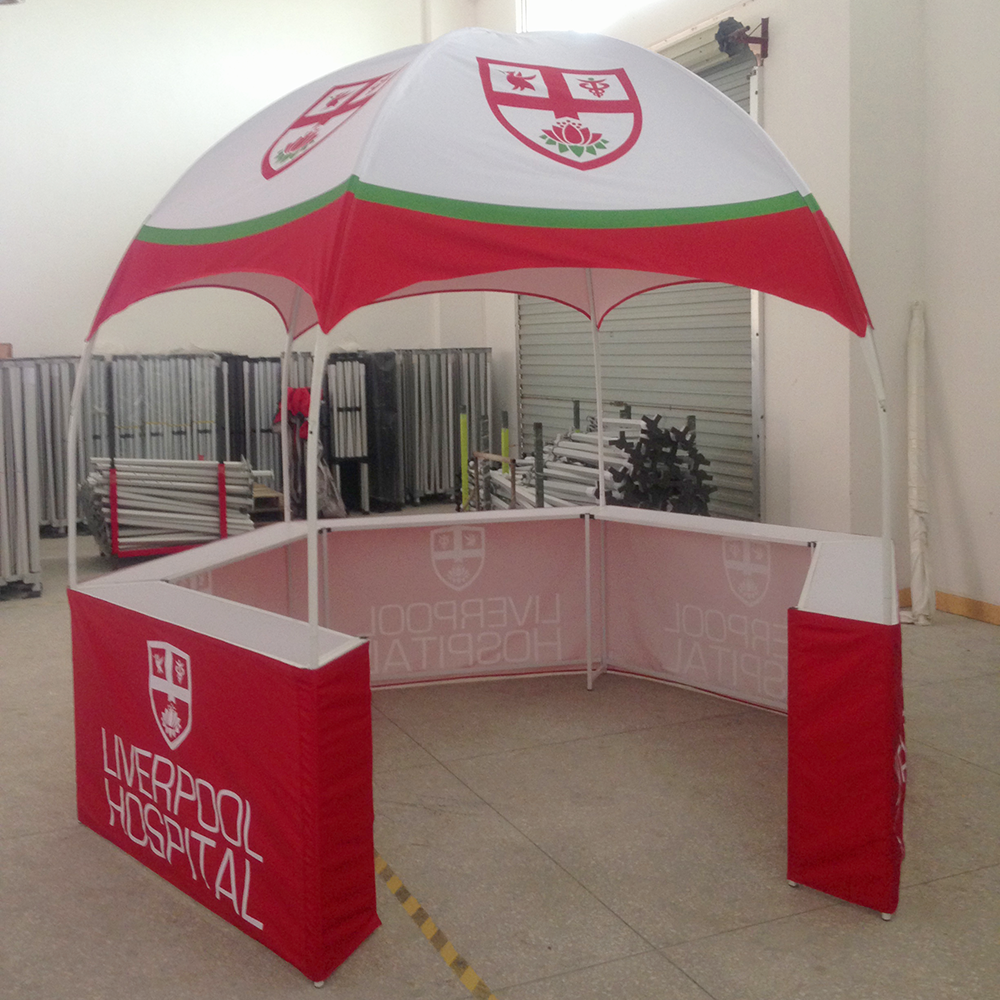
Why Sidewalls Change Everything
Many event organizers forget one critical factor:
Sidewalls turn a dome tent into a giant sail.
Without sidewalls:
Wind can flow through portions of the structure.
With sidewalls:
The dome captures significantly more wind pressure.
In many cases:
Adding sidewalls can increase required ballast by 50–100%.
This is one of the most common causes of anchoring failures.
Common Ballast Mistakes
Using Generic Sandbags
Many suppliers include:
- 20lb sandbags
- Lightweight water bags
These are suitable only for:
- Small pop-up tents
They are not sufficient for commercial dome tents.
Ignoring Wind Forecasts
Weather can change rapidly.
A tent installed under calm conditions may face strong gusts hours later.
Uneven Ballast Distribution
Weight must be placed according to engineering requirements.
Random placement reduces effectiveness.
Underestimating Uplift
Many people focus only on preventing sliding.
Uplift is often the more dangerous force.
How Professional Dome Tent Manufacturers Approach Anchoring
Авторитетный производитель купольных палаток does not simply sell a structure.
They provide:
Structural Analysis
Wind Load Guidance
Ballast Recommendations
Site-Specific Solutions
Installation Procedures
Safety Documentation
This is where experienced manufacturers differ from low-cost suppliers.
How Dtent Solves Dome Tent Ballast Challenges
Как профессионал завод по производству купольных палаток, Dtent has supported projects across:
- Sports events
- Активация бренда
- Commercial exhibitions
- Фестивали
- Outdoor hospitality venues
Our engineering approach includes:
Project-Specific Assessment
No two sites are identical.
We evaluate:
- Размер палатки
- Site conditions
- Воздействие ветра
- Installation restrictions
Optimized Ballast Solutions
We help clients balance:
- Безопасность
- Budget
- Логистика
Commercial-Grade Dome Structures
Our dome tent systems are designed for:
- Event applications
- Долгосрочные установки
- High-traffic commercial use
OEM and Custom Manufacturing
With more than 10 years of experience and a 6,000㎡ production facility, Dtent provides customized dome tent solutions for global brands and event professionals.
Future Trends in Dome Tent Anchoring
The industry is moving toward smarter solutions.
К числу новых технологий относятся:
Integrated Ballast Frames
Hidden Ballast Systems
Smart Wind Monitoring
Sensor-Based Load Alerts
Modular Weight Systems
These innovations reduce installation complexity while improving safety.
There Is No Magic Ballast Formula
Many buyers hope for a universal answer:
“How much ballast does my dome tent need?”
Unfortunately, no single number exists.
A safe ballast solution depends on:
- Размер купола
- Wind conditions
- Surface type
- Боковые стенки
- Местные правила
- Проектирование конструкции
The most important lesson is this:
The cost of proper ballast should be viewed as part of the structure itself—not as an optional accessory.
A high-quality dome tent combined with inadequate anchoring is still an unsafe installation.
При выборе производитель купольных палаток, prioritize companies that provide transparent engineering guidance rather than generic marketing claims.
Because in the real world, a dome tent is not just a shelter.
It is a structure interacting with powerful environmental forces—and proper anchoring is what keeps that structure standing safely when conditions become challenging
Вы торговая компания или производитель?
Мы — производитель, специализирующийся на складных шатрах, уличных зонтах, пляжных флагах и рекламных баннерах.
Можете ли вы разработать дизайн на основе моих идей или эскизов?
Да, у нас есть опытные дизайнеры и собственный завод по производству пресс-форм. Мы можем разработать дизайн или изготовить пресс-форму в соответствии с вашими требованиями по конкурентной цене.
Сколько времени занимает изготовление образца?
Образец будет готов в течение 5–7 дней, в зависимости от ваших требований к печати и материалам.
В чем ваше преимущество?
Выгодная цена; экономия времени: мы гарантируем выполнение оптового заказа в течение 30 дней; качественное обслуживание: наши менеджеры обязуются ответить на ваш запрос в течение 12 часов. Контакты. WhatsApp 86 180 3827 3926