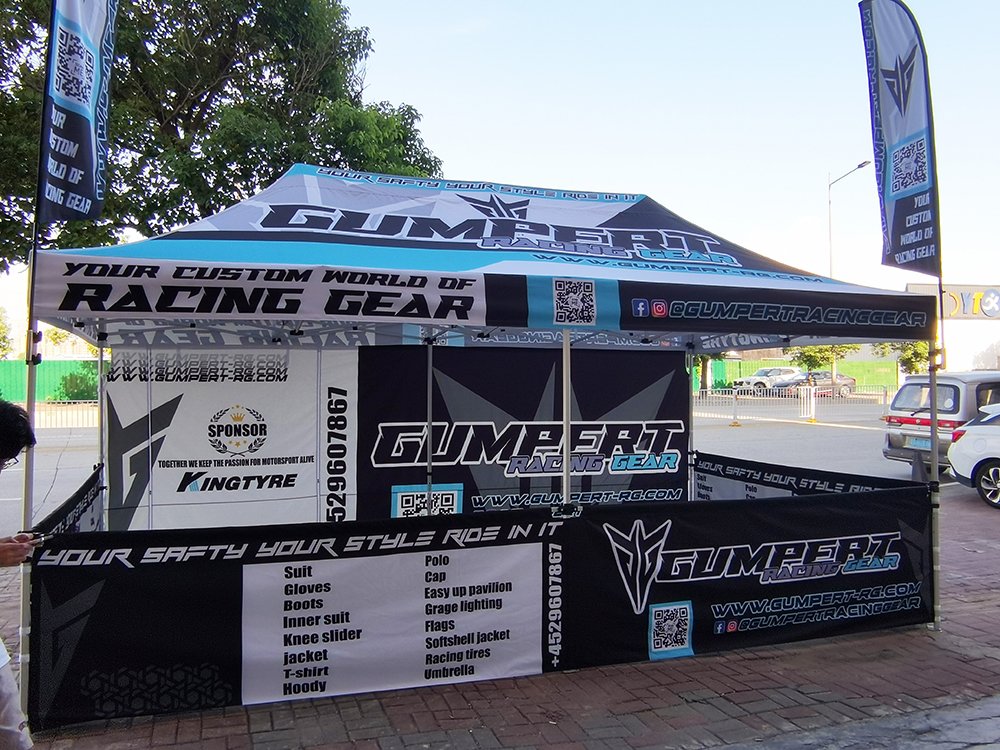


Dans le secteur des tentes événementielles sur mesure, un problème étonnamment coûteux apparaît souvent. après la vente: pièces de rechange. Les acheteurs découvrent qu'un composant apparemment simple — un support en plastique, un connecteur, un curseur ou une articulation — peut présenter des variations de prix considérables et, plus frustrant encore, ne pas s'adapter à toutes les marques, même lorsqu'il semble identique.
Ce phénomène est communément appelé (de manière informelle) un “pièce de rechange monopole"”—où les limitations de compatibilité enferment les acheteurs dans un écosystème de fournisseurs unique.
Mais il ne s'agit pas seulement d'une question de prix. Il s'agit d'un problème de normalisation de la conception, de l'ingénierie et de la fabrication.
Cet article fournit un explication technique au niveau du système de:
- Pourquoi des pièces d'apparence identique sont souvent incompatibles
- Qu'est-ce qui explique les grandes différences de prix des pièces de rechange ?
- Le rôle caché des tolérances, des moules et des conceptions exclusives
- Comment identifier et se procurer des kits de réparation véritablement “ universels ”
- Comment éviter un verrouillage des approvisionnements à long terme
Nous expliquons également comment des fabricants expérimentés comme Dtent Résoudre les problèmes de compatibilité grâce à de meilleures pratiques d'ingénierie et de fabrication.
1. L'illusion de l'interchangeabilité
Pourquoi certaines pièces semblent identiques, mais ne le sont pas.
À première vue, de nombreux éléments de tente semblent identiques :
- équerres d'angle en plastique
- connecteurs en nylon
- Joints en aluminium
- Moyeux coulissants
Cependant, la similarité visuelle n'est pas égale compatibilité dimensionnelle.
Aperçu clé
Dans les systèmes mécaniques, Les millimètres — et même les fractions de millimètre — comptent.
Une différence de 0,5 mm en :
- Diamètre du tube
- Largeur de la fente
- Alignement des broches
…peut rendre une pièce totalement inutilisable.
2. Les véritables raisons de l'incompatibilité
2.1 Variations du diamètre du tube
Les armatures de tente sont généralement décrites comme suit :
- 30 mm
- 40 mm
- pieds hexagonaux ou carrés de 50 mm
Mais en réalité :
- Un cadre de “ 40 mm ” peut mesurer 39,6 mm.
- Une autre pourrait être de 40,3 mm.
Résultat
- Les supports conçus pour l'un ne conviennent pas à l'autre.
2.2 Différences d'épaisseur de paroi
Même si les dimensions extérieures correspondent :
- L'épaisseur de la paroi influe sur l'ajustement interne
- modifications de la profondeur d'insertion du connecteur
Cela a un impact sur :
- Stabilité structurelle
- Alignement du mécanisme de verrouillage
2.3 Empilage des tolérances
Chaque composant présente des tolérances de fabrication :
- Tube ±0,2 mm
- Connecteur ±0,3 mm
En combinaison :
- Le désalignement augmente
- L'ajustement devient peu fiable
2.4 Conception de moule exclusive
De nombreux fabricants utilisent :
- Moules d'injection sur mesure
- Géométries uniques
Cela crée :
- Incompatibilité intentionnelle
- Écosystèmes spécifiques à la marque
2.5 Différences au niveau du mécanisme de verrouillage
Petites variations dans :
- position du bouton à ressort
- Diamètre de la broche
- Géométrie de la fente de verrouillage
…peut empêcher un engagement adéquat.

3. Pourquoi les prix des pièces de rechange varient-ils autant ?
3.1 Qualité des matériaux
Un support $5 et un support $15 peuvent différer par :
- Type de plastique (PP ou nylon renforcé)
- Résistance aux UV
- durabilité par temps froid
3.2 Processus de fabrication
Les pièces de meilleure qualité comprennent :
- Moules de précision
- Meilleure finition
- Contrôle de qualité
3.3 Volume et chaîne d'approvisionnement
- Pièces produites en série → coût inférieur
- Pièces propriétaires produites en faible volume → coût plus élevé
3.4 Stratégie de fidélisation de la marque
Certains fournisseurs intentionnellement :
- Limiter la compatibilité
- Alimentation de remplacement pour le contrôle
Cela augmente :
- valeur client à vie
- marges sur les pièces détachées
4. Le coût caché des pièces non standard
Impact opérationnel
- Temps d'arrêt dû à l'indisponibilité des pièces
- Des coûts d'entretien à long terme plus élevés
- Complexité des stocks
Impact sur l'entreprise
Pour les entreprises de location ou d'événementiel :
- Flottes incohérentes
- Réparations difficiles
- Insatisfaction des clients
5. Que signifie réellement le terme “ universel ” ?
Mythe contre réalité
“Les pièces ” universelles » sont souvent commercialisées sous l’appellation :
- Compatible avec toutes les tentes
En réalité, la véritable universalité est rare.
Ce qu'exige une véritable compatibilité
Une pièce ne peut être considérée comme “ universelle ” que si elle correspond à :
- Géométrie des tubes
- Système de connexion
- exigences de charge
- Mécanisme de verrouillage
Définition pratique
“ Universel ” signifie généralement :
Compatible au sein d'une catégorie spécifique (par exemple, systèmes de cadres hexagonaux de 40 mm)
6. Comment identifier les pièces de rechange compatibles
Étape 1 : Mesurer avec précision
Utilisez un pied à coulisse pour mesurer :
- diamètre du tube extérieur
- diamètre intérieur
- Largeur de la fente
- Espacement des trous
Étape 2 : Identifier le type de cadre
- Hexagonal vs carré
- tente pliante ou tente à poteaux
- Usage léger vs usage commercial
Étape 3 : Vérifier la compatibilité des matériaux
Assurez-vous que la pièce de rechange :
- Répond aux exigences de force
- Fonctionne dans les conditions attendues
Étape 4 : Demander les dessins techniques
Les fournisseurs professionnels proposent :
- dessins CAO
- Spécifications dimensionnelles

7. Conception d'un système de tentes standardisé
Pourquoi la normalisation est difficile
Contrairement à des secteurs comme la plomberie ou l'électronique :
- L'industrie du camping manque de normes internationales.
- Les conceptions évoluent indépendamment
Ce que la normalisation exigerait
- Normes dimensionnelles unifiées
- Spécifications des connecteurs partagés
- coopération à l'échelle de l'industrie
Réalité actuelle
La normalisation n'existe qu'à :
- Niveaux partiels (ex. : tentes de 10×10)
- marchés régionaux
8. Stratégies pour éviter le blocage des pièces de rechange
1. Choisir les systèmes de châssis standard
Sélectionnez les tentes avec :
- Dimensions courantes
- Modèles largement utilisés
2. Achetez les pièces de rechange à l'avance
Action:
- Connecteurs
- Supports
- Épingles
3. Collaborer avec les fabricants d'équipement d'origine (OEM)
Les fournisseurs OEM peuvent :
- Répliquer les pièces
- Personnaliser la compatibilité
4. Évitez les designs trop propriétaires
Les modèles uniques peuvent :
- Adoptez un look innovant
- Mais augmenter les coûts à long terme
9. Le choix du matériau : pièces en plastique, en nylon ou en aluminium
Plastique (PP / ABS)
- Faible coût
- Durabilité limitée
- Taux d'échec élevé
Nylon (renforcé)
- Meilleure force
- Longévité accrue
- Coût modéré
Aluminium
- Haute force
- longue durée de vie
- Idéal pour un usage commercial
Aperçu clé
Des matériaux de meilleure qualité réduisent :
- Fréquence de remplacement
- Coût total du cycle de vie
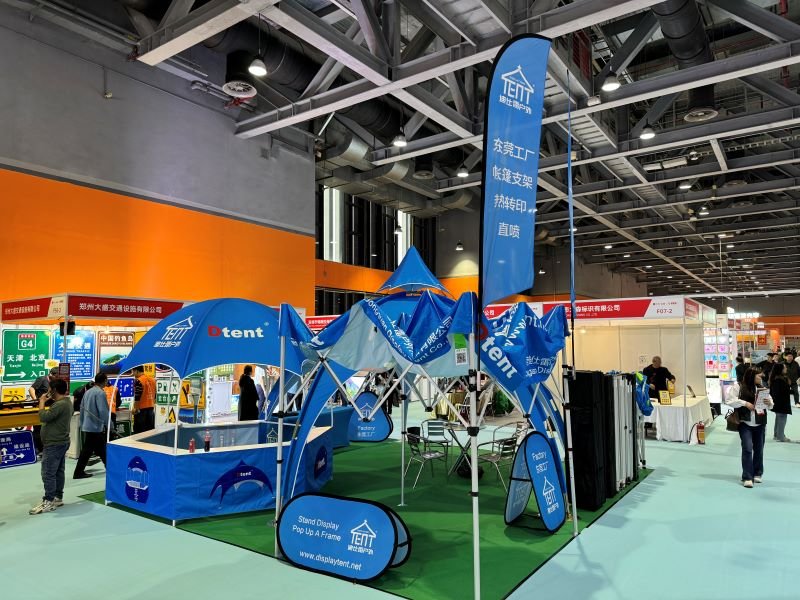
10. Pourquoi Dtent offre de meilleures solutions de compatibilité
Dtent se concentre sur la facilité d'utilisation à long terme et la compatibilité du système.
Capacité OEM
- Rétro-ingénierie des pièces
- Solutions de remplacement personnalisées
- Compatibilité inter-marques
Expertise en ingénierie
- Contrôle dimensionnel précis
- Optimisation des matériaux
- Fiabilité structurelle
Force de production
- usine de 6000 m²
- Plus de 10 ans d'expérience
- partenariats de marques mondiales
Approche axée sur le client
Dtent aide ses clients :
- Réduire la dépendance à l'égard de fournisseurs uniques
- Améliorer l'efficacité de la maintenance
- Des coûts à long terme inférieurs
11. Tendances futures : vers des systèmes de tentes modulaires
Le secteur évolue progressivement vers :
- Composants modulaires
- Interfaces standardisées
- Systèmes interchangeables
Innovations émergentes
- Systèmes de connecteurs universels
- Composants à ajustement réglable
- conceptions de matériaux hybrides
12. Conclusion finale : La compatibilité est le fruit de l’ingénierie, et non du hasard.
La raison pour laquelle un support $5 du fournisseur A ne convient pas au fournisseur B n'est pas accidentelle ; elle résulte de :
- Différences de conception
- tolérances de fabrication
- Stratégies commerciales
Leçons clés
- La ressemblance visuelle est trompeuse.
- Les mesures et les spécifications sont importantes.
- “ Universel ” est souvent conditionnel
- Le matériau et la conception déterminent la valeur
- Le coût à long terme dépend de la compatibilité
Monopoly des pièces de rechange pour tentes
Les difficultés rencontrées pour trouver des pièces de rechange dans l'industrie des tentes mettent en lumière un problème plus profond : Le manque de normalisation combiné à des pratiques de conception propriétaires.
Pour éviter de se retrouver piégés dans un monopole de pièces de rechange, les acheteurs doivent :
- Comprendre les spécifications techniques
- Exigez la transparence
- Collaborer avec des fabricants expérimentés
En vous associant à des entreprises comme Dtent, vous pouvez garantir :
- Meilleure compatibilité
- Approvisionnement fiable en pièces de rechange
- Coût total de possession réduit
Vous êtes une société commerciale ou un fabricant ?
Nous sommes un fabricant spécialisé dans les tentes pliantes, les parapluies d'extérieur, les drapeaux de plage et les bannières publicitaires.
Pouvez-vous réaliser un design à partir de mes idées ou de mes dessins ?
Oui, nous avons des concepteurs expérimentés et notre propre usine de moulage. En fonction de vos besoins, nous pouvons concevoir ou ouvrir des moules à des prix compétitifs.
Combien de temps dure l'échantillonnage ?
Les échantillons seront prêts dans un délai de 5 à 7 jours, en fonction de vos exigences en matière d'impression et de matériaux.
Quel est votre avantage ?
Efficacité des coûts ; prix bas ; Efficacité des délais : nous nous engageons à effectuer les livraisons de masse dans les 30 jours Efficacité des services : nos vendeurs s'engagent à répondre à votre demande dans les 12 heures : Nos vendeurs s'engagent à répondre à votre demande dans les 12 heures. whatsapp 86 180 3827 3926