When purchasing a dome tent for events, exhibitions, sports activities, glamping resorts, or commercial promotions, buyers often focus on visible specifications such as frame diameter, wind rating, and tent size. However, experienced engineers and professional dome tent manufacturers know that one of the most important factors affecting long-term performance is something many customers never see:
The Surface Coating of the Fabric
Among commercial-grade dome tent fabrics, two coating systems dominate the market:
- PVC Coating
- PVDF Coating
Many suppliers advertise PVDF as a premium upgrade and often position it as the “best” option for outdoor use. At the same time, buyers frequently wonder:
“Is PVDF really necessary for my project?”
Or:
“Will standard PVC survive a 6-month installation without becoming yellow, brittle, dirty, or difficult to clean?”
As a professional dome tent manufacturer with more than 10 years of experience producing customized event tents, exhibition domes, glamping domes, and commercial structures, Dtent regularly helps clients choose the most cost-effective fabric solution based on actual project requirements rather than marketing claims.
The truth is that PVDF is not always necessary.
In some projects, standard PVC performs perfectly well.
In other projects, choosing PVC instead of PVDF can become a costly mistake.
This guide explains the technical differences between PVC and PVDF coatings, how they affect dome tent performance, and how to determine whether the extra investment in PVDF is justified.
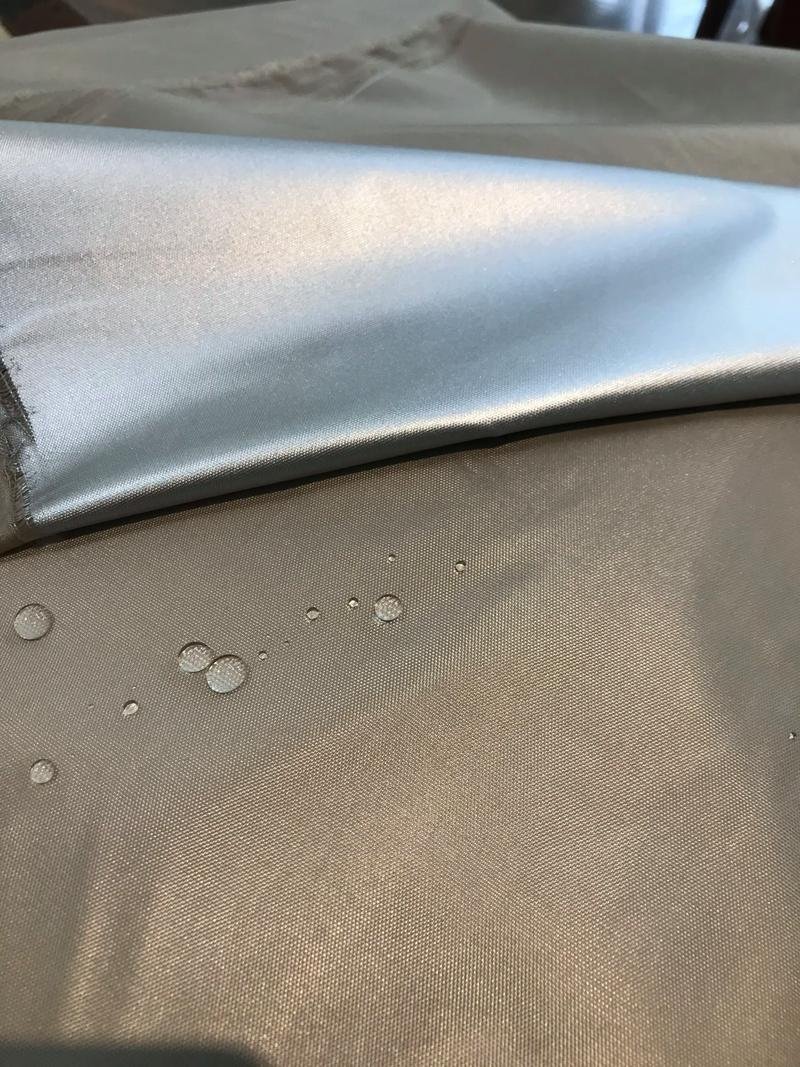
Understanding Dome Tent Fabric Construction
Before comparing coatings, it is important to understand how commercial dome tent fabric is constructed.
Most commercial dome tent covers consist of three primary layers:
Base Fabric
Usually high-strength polyester.
This layer provides:
- Tensile strength
- Tear resistance
- Dimensional stability
PVC Coating Layer
Applied to both sides of the polyester fabric.
Provides:
- Waterproofing
- UV resistance
- Flexibility
- Weather protection
Surface Finish
This is where PVDF enters the picture.
A PVDF coating is typically applied as a thin protective top layer over the PVC.
Therefore:
PVDF-coated fabric is still fundamentally PVC fabric, but with an advanced protective surface treatment.
This distinction is important because many buyers mistakenly believe PVC and PVDF are completely different materials.
They are not.
PVDF is a premium enhancement to PVC.
What Is PVC Coating?
PVC stands for:
Polyvinyl Chloride
It has been used in architectural membranes and tent fabrics for decades.
PVC-coated fabrics are popular because they provide:
- Waterproof performance
- Flexibility
- Durability
- Cost efficiency
Most event-grade dome tents use PVC-coated polyester fabrics ranging from:
- 650gsm
- 750gsm
- 850gsm
- 900gsm
Depending on structural requirements.
A properly manufactured PVC cover can deliver excellent performance.
However, not all PVC coatings are created equal.
The quality depends on:
- Plasticizer formulation
- UV stabilizers
- Manufacturing process
- Surface treatment
What Is PVDF Coating?
PVDF stands for:
Polyvinylidene Fluoride
PVDF is a fluoropolymer with exceptional resistance to:
- UV radiation
- Dirt accumulation
- Chemical attack
- Weathering
When applied as a top coating on PVC fabric, PVDF creates a protective shield that significantly improves outdoor performance.
Think of it as:
A protective armor layer for your dome tent fabric.
This is why PVDF-coated fabrics are commonly used in:
- Stadium roofs
- Airport structures
- Architectural membranes
- Long-term commercial installations
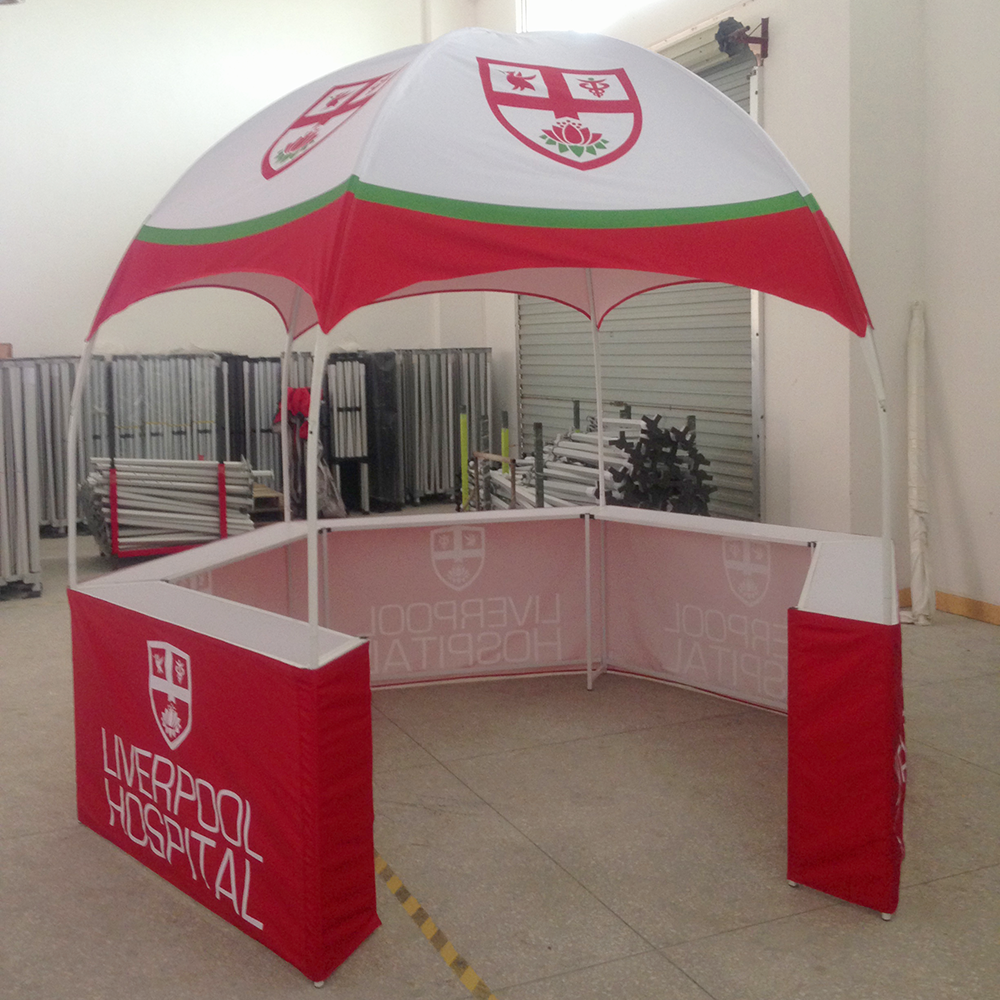

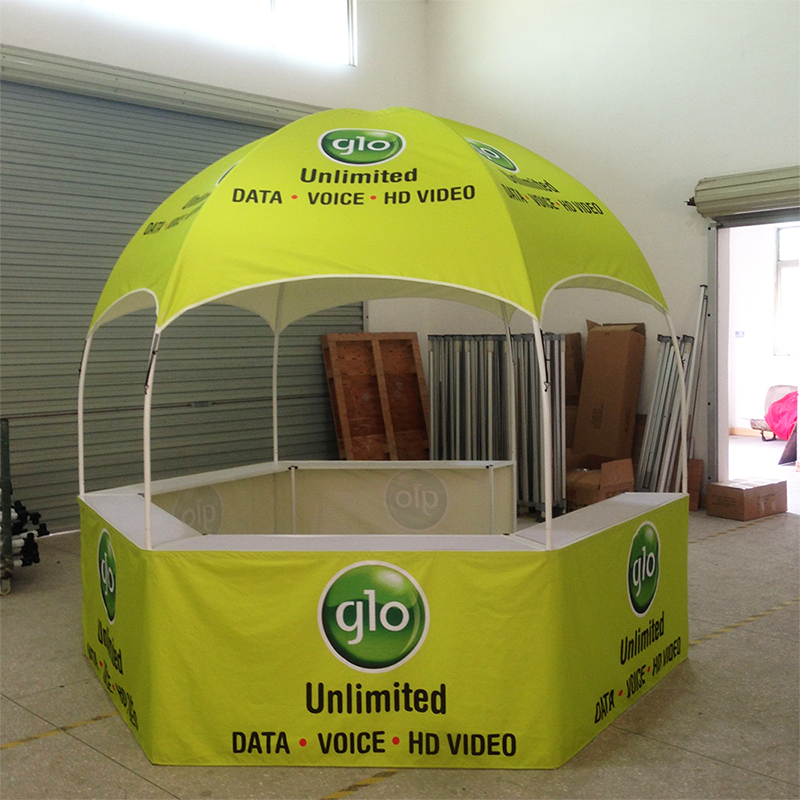
Why Dome Tent Covers Deteriorate Outdoors
To understand whether PVDF is worth the cost, we first need to understand what damages tent fabric.
The primary threats include:
UV Radiation
Sunlight slowly breaks down polymers.
Heat
High temperatures accelerate aging.
Dirt Accumulation
Dust and pollutants damage surfaces over time.
Moisture
Repeated wet-dry cycles create stress.
Air Pollution
Industrial environments accelerate degradation.
Biological Growth
Mold and mildew thrive on contaminated surfaces.
The purpose of a coating is to resist these threats.
UV Resistance: PVC vs. PVDF
One of the biggest concerns for outdoor dome tent users is UV exposure.
Over time, sunlight can cause:
- Color fading
- Surface chalking
- Brittleness
- Reduced flexibility
Standard PVC
Quality PVC can perform well for temporary installations.
However, prolonged UV exposure gradually degrades the surface.
PVDF-Coated PVC
PVDF dramatically improves UV resistance.
The fluoropolymer structure is highly stable under sunlight.
As a result:
- Colors remain brighter longer
- Surface degradation slows significantly
- Service life increases
For installations exceeding one year, PVDF often becomes a worthwhile investment.

Will Standard PVC Turn Yellow?
This is one of the most common customer questions.
The answer depends on several factors:
Quality of the PVC
Premium PVC contains UV stabilizers.
Low-cost PVC may discolor quickly.
Climate Conditions
Regions with intense sunlight accelerate aging.
Duration of Exposure
Six months is very different from five years.
For a six-month installation:
A high-quality PVC cover from a reputable dome tent factory typically experiences minimal yellowing.
For multi-year exposure:
PVDF offers a clear advantage.
Dirt Resistance: Where PVDF Really Shines
One of PVDF’s greatest strengths is its self-cleaning behavior.
The surface is smoother and less adhesive than standard PVC.
This means:
- Dust accumulates more slowly
- Pollutants wash away more easily
- Rain naturally cleans the surface
This is particularly valuable for white dome tents.
Why Dirty Dome Tents Age Faster
Many people view dirt as a cosmetic issue.
In reality:
Dirt accelerates degradation.
Contaminants can:
- Retain moisture
- Promote mold growth
- Increase surface temperatures
- Damage coatings
A cleaner surface generally lasts longer.
Flexibility and Brittleness
Another concern is fabric brittleness.
Over time, UV radiation can cause PVC to lose flexibility.
Signs include:
- Cracking
- Surface stiffness
- Reduced folding performance
PVDF helps slow this process by shielding the underlying PVC layer.
For temporary projects:
Standard PVC is often sufficient.
For long-term installations:
PVDF can significantly extend fabric life.
Heat Performance in Dome Tent Applications
Many dome tents operate in:
- Desert climates
- Tropical regions
- High-sunlight environments
These conditions place enormous stress on fabric coatings.
PVDF performs particularly well under:
- High temperatures
- Intense UV exposure
- Thermal cycling
This is one reason why premium architectural membrane structures often specify PVDF coatings.
Mold and Mildew Resistance
A common problem in humid environments is biological contamination.
Standard PVC surfaces can accumulate:
- Mold
- Algae
- Organic residues
PVDF surfaces are smoother and less porous.
As a result:
Cleaning becomes easier.
Maintenance costs decrease.
Cost Comparison: PVC vs. PVDF
One reason buyers hesitate to choose PVDF is cost.
Depending on specifications:
PVDF-coated fabric may cost:
- 10% to 30% more than standard PVC
The exact premium varies based on:
- Fabric weight
- Manufacturer
- Coating thickness
- Project size
The key question is whether the performance benefits justify the added expense.

When Standard PVC Is the Better Choice
A standard PVC dome tent is often the smarter option when:
Installation Period Is Less Than 6 Months
Temporary events rarely justify premium coatings.
Budget Is Limited
Cost savings can be allocated elsewhere.
Fabric Replacement Is Planned
Some marketing structures are replaced frequently.
Climate Is Moderate
Lower UV exposure reduces degradation.
For many event projects, standard PVC performs exceptionally well.
When PVDF Is Worth the Investment
PVDF becomes increasingly attractive when:
Installation Exceeds One Year
Longer exposure increases return on investment.
Appearance Matters
Hotels, resorts, and exhibitions benefit from cleaner surfaces.
Maintenance Access Is Difficult
Self-cleaning properties reduce labor.
Harsh Climates Are Expected
Strong UV exposure accelerates aging.
Premium Branding Is Required
PVDF helps preserve appearance over time.
Questions to Ask a Dome Tent Manufacturer
Before purchasing, ask:
What is the fabric weight?
Is the PVC UV stabilized?
Is the PVDF coating single-sided or double-sided?
What is the expected outdoor lifespan?
What warranty is offered?
Has the fabric been tested for UV resistance?
Professional manufacturers should provide clear answers.
How Dtent Helps Customers Choose the Right Coating
As an experienced dome tent manufacturer, Dtent does not automatically recommend the most expensive option.
Instead, we evaluate:
- Installation duration
- Geographic location
- Climate conditions
- Maintenance expectations
- Budget requirements
For temporary event projects, premium PVC may be sufficient.
For long-term commercial installations, PVDF often delivers superior lifecycle value.
Dtent's Approach to Dome Tent Fabric Quality
With more than 10 years of manufacturing experience and a 6,000㎡ production facility, Dtent supplies customized dome tent solutions for:
- Event organizers
- Exhibition companies
- Hospitality projects
- Sports venues
- Brand activations
- Commercial developments
Our fabric selection process prioritizes:
- Structural reliability
- UV resistance
- Long-term durability
- Visual performance
- Cost efficiency
This ensures customers receive a dome tent solution aligned with their actual operational needs.
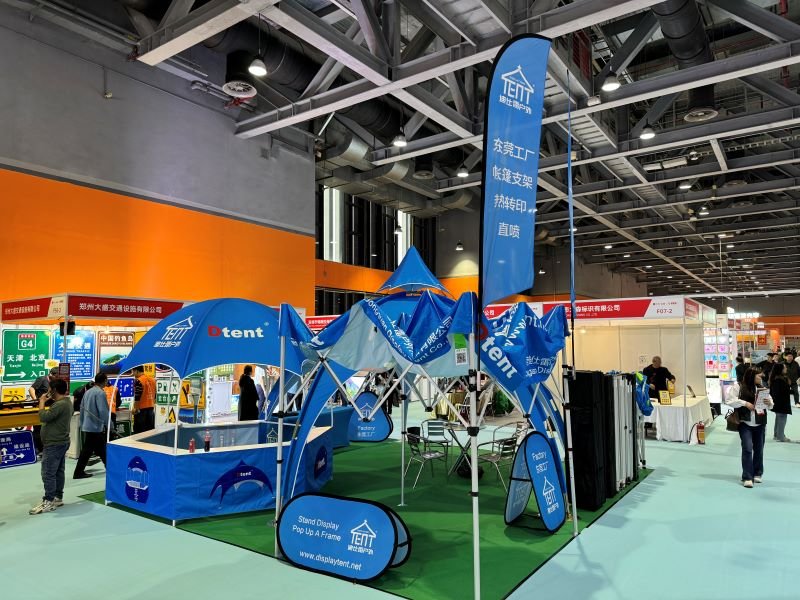
Future Trends in Dome Tent Coatings
The membrane industry continues to evolve.
Emerging technologies include:
Advanced PVDF Formulations
Nano-Coatings
Self-Cleaning Surfaces
Heat-Reflective Coatings
Anti-Microbial Treatments
These innovations will continue improving dome tent durability and comfort.
Is PVDF Worth It for a 6-Month Dome Tent Installation?
For most six-month installations:
A high-quality PVC-coated dome tent from a reputable dome tent manufacturer will perform very well and is unlikely to become significantly yellow, brittle, or structurally compromised.
However:
If your project involves:
- Intense sunlight
- Premium visual requirements
- Long-term deployment
- Reduced maintenance access
Then PVDF can provide meaningful advantages.
The key takeaway is that coating selection should be based on project duration, environmental conditions, and lifecycle cost—not marketing language alone.
When evaluating a dome tent factory, ask detailed questions about fabric specifications, UV stabilizers, coating systems, and expected service life. The best dome tent is not necessarily the one with the most expensive coating, but the one engineered to deliver the right balance of performance, durability, and value for your specific application.
Are you a Trading Company or Manufacturer?
We are a manufacturer specialized in Folding tents, Outdoor umbrellas, Beach flags, Advertising Banners
Can you do design for my ideas or drawing?
Yes, we have experienced designers and our own molding factory. According to your requirements, we can design or open mold which has a competitive price.
How long does sample take?
Sample will be ready within 5-7 days, depends on your printing and material requirements.
What is your advantage?
Cost effective; with low price; Time effective: we promise to make the mass delivery within 30 days Service effective: Our sales people promise to reply your enquiry within 12 hours.Contact whatsapp 86 180 3827 3926