
When buyers evaluate a dome tent, they usually focus on the obvious components:
- Dome diameter
- Frame tubing
- Cover material
- Wind rating
- Appearance
However, experienced engineers and professional dome tent manufacturers know that the most critical parts of a dome tent are often the smallest.
Specifically:
The connectors, hubs, bolts, pins, and fastening systems.
A typical commercial dome tent may contain:
- 100–500+ bolts
- Dozens of hub assemblies
- Hundreds of connection points
Every wind gust, temperature change, snow load, and installation cycle transfers force through these connectors.
As a professional tent manufacturer, Dtent frequently receives questions such as:
“My dome tent frame looks fine, but why did the connector fail?”
“The hub plate bent after a few months. Is this normal?”
“How can I tell whether the hardware is high-tensile steel or cheap plated metal?”
“Why do some dome tents last 10 years while others develop connector problems after one season?”
The answer often lies in understanding connector fatigue, material selection, and structural engineering.
This guide explains everything buyers should know about dome tent connector reliability and how to identify high-quality connection systems before making a purchase.

Why Dome Tent Connectors Are More Important Than the Frame
Many buyers assume:
Strong tube = strong dome.
In reality:
A dome structure is only as strong as its weakest connection point.
Think of a chain.
Even if 99% of the links are strong, one weak link determines the ultimate strength.
The same principle applies to a dome tent.
The tubes primarily carry loads.
The connectors transfer those loads.
When connectors fail:
- Structural geometry changes
- Load paths shift
- Additional stress develops
- Progressive failure becomes possible
In many cases, connector failure occurs long before frame failure.
Understanding Connector Fatigue in a Dome Tent
One of the most misunderstood engineering concepts is fatigue.
Many people assume metal fails only when overloaded.
Actually, most structural failures occur from:
Repeated Loading
Instead of one large force.
Every dome tent experiences:
- Wind vibration
- Thermal expansion
- Fabric tension
- Installation movement
- Transportation stress
Over time, these forces create microscopic cracks.
This process is called:
Metal Fatigue
A connector can survive:
- 1,000 pounds once
Yet fail under:
- 200 pounds repeated thousands of times
This explains why a connector may suddenly break despite appearing undamaged.
Why Cheap Connectors Fail Faster
The global tent industry contains enormous variation in hardware quality.
Two connectors may look identical.
Yet their performance can differ dramatically.
Common causes include:
- Different alloys
- Different heat treatments
- Different manufacturing methods
- Different coatings
This is why buyers should never judge hardware by appearance alone.

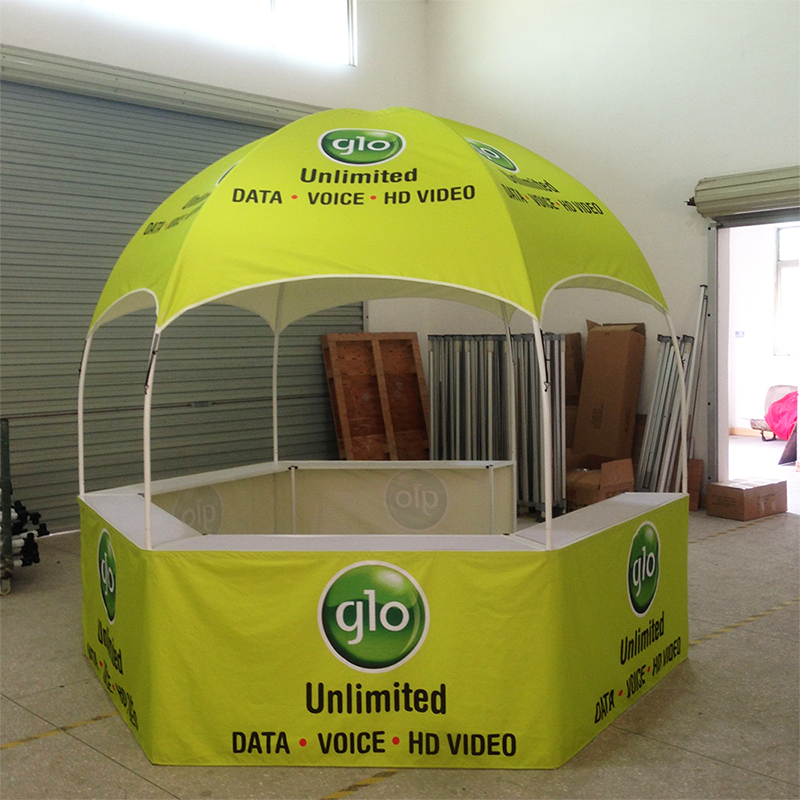
The Biggest Problem: Zinc-Alloy Connectors
One of the most common failures occurs in low-cost dome tents that use zinc-based castings.
These are often marketed as:
- Metal connectors
- Reinforced connectors
- Heavy-duty hubs
While technically true, the actual material may be:
- Zinc alloy
- Pot metal
- Low-grade die casting
Why Zinc-Alloy Connectors Are Problematic
Advantages:
- Cheap
- Easy to cast
- Attractive appearance
Disadvantages:
- Lower tensile strength
- Lower fatigue resistance
- Brittle fracture behavior
- Corrosion vulnerability
Under repeated loading:
Cracks may form without warning.
Eventually:
The connector snaps.
High-Tensile Steel vs Zinc Alloy
Let’s compare.
High-Tensile Steel
Typical tensile strength:
- 800–1200 MPa
Characteristics:
- Excellent fatigue resistance
- High ductility
- Strong impact performance
- Long service life
Zinc Alloy
Typical tensile strength:
- 200–400 MPa
Characteristics:
- Lower fatigue resistance
- Brittle under stress
- More susceptible to cracking
For commercial dome tent applications, high-tensile steel is generally the preferred choice.
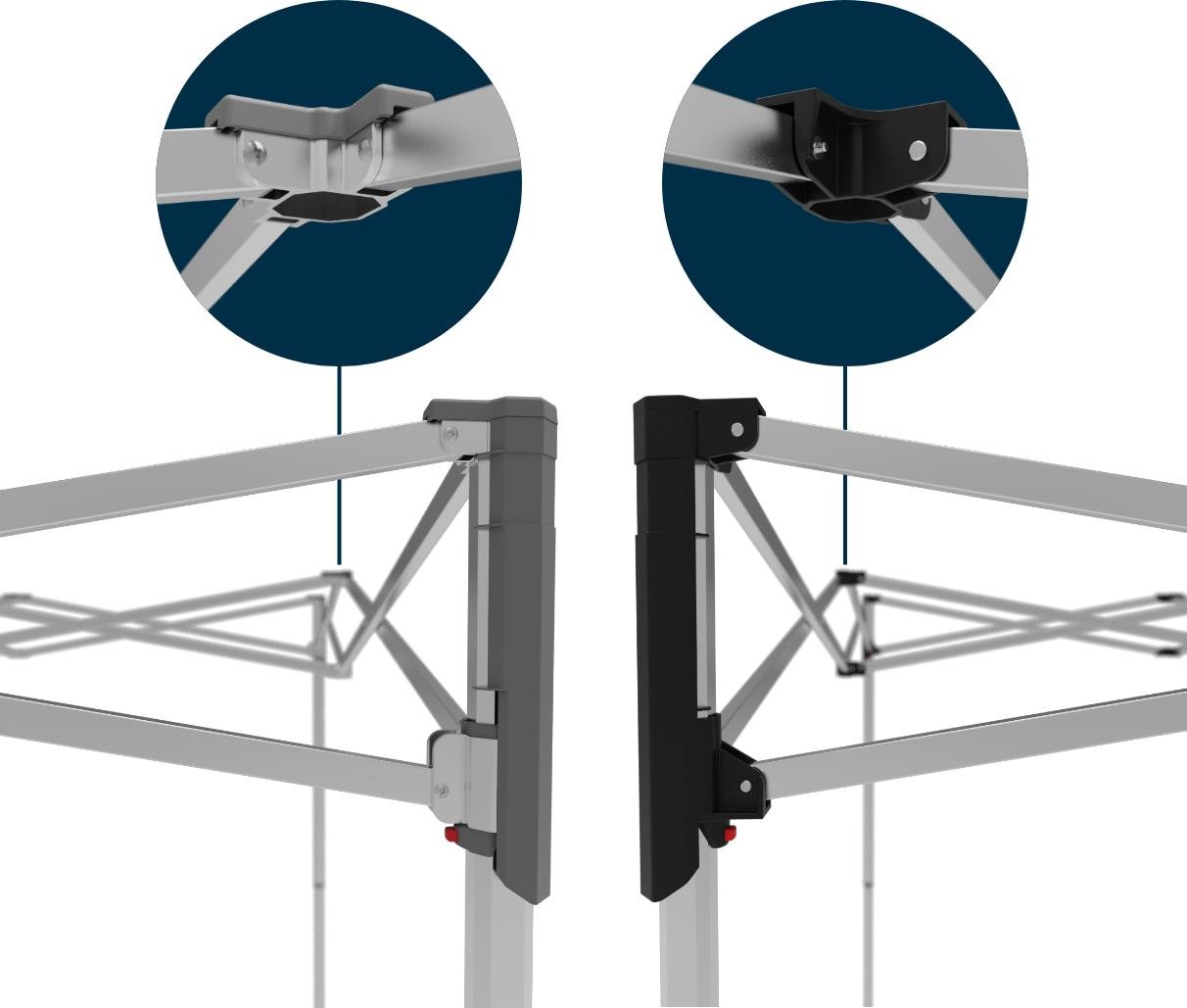
How to Identify Connector Materials
Most suppliers never disclose connector material specifications.
Therefore buyers need alternative verification methods.
Method 1: Ask for Material Certificates
A reputable dome tent manufacturer should provide:
- Material reports
- Mill certificates
- Hardware specifications
Ask:
“What material are the hubs made from?”
Professional answers include:
- Q235 steel
- Q355 steel
- 304 stainless steel
- 6061-T6 aluminum
- 6082-T6 aluminum
Be cautious of vague answers like:
- Premium metal
- Industrial grade
- Heavy duty
These terms have no engineering meaning.
Method 2: Check Weight
High-tensile steel connectors are significantly heavier than zinc castings.
If a connector feels unusually light:
Further investigation is warranted.
Weight alone is not definitive.
But it can be a useful indicator.
Method 3: Inspect Fracture Surfaces
If a component fails:
Observe the break.
Zinc Alloy
Typically shows:
- Granular texture
- Sharp edges
- Brittle fracture
Steel
Usually shows:
- Ductile deformation
- Stretching before failure
- Visible yielding
Why Bolts Matter More Than Buyers Realize
A premium hub can still fail if cheap bolts are used.
Many dome tent failures originate from:
- Bolt stretching
- Thread stripping
- Corrosion
- Fatigue cracking
Understanding Bolt Grades
Professional hardware typically uses:
Grade 8.8
Common structural applications.
Grade 10.9
Higher-strength commercial structures.
Grade 12.9
Extreme-duty applications.
Low-cost suppliers sometimes use:
- Unrated hardware
- Generic fasteners
- Decorative bolts
These may look identical but have significantly lower strength.
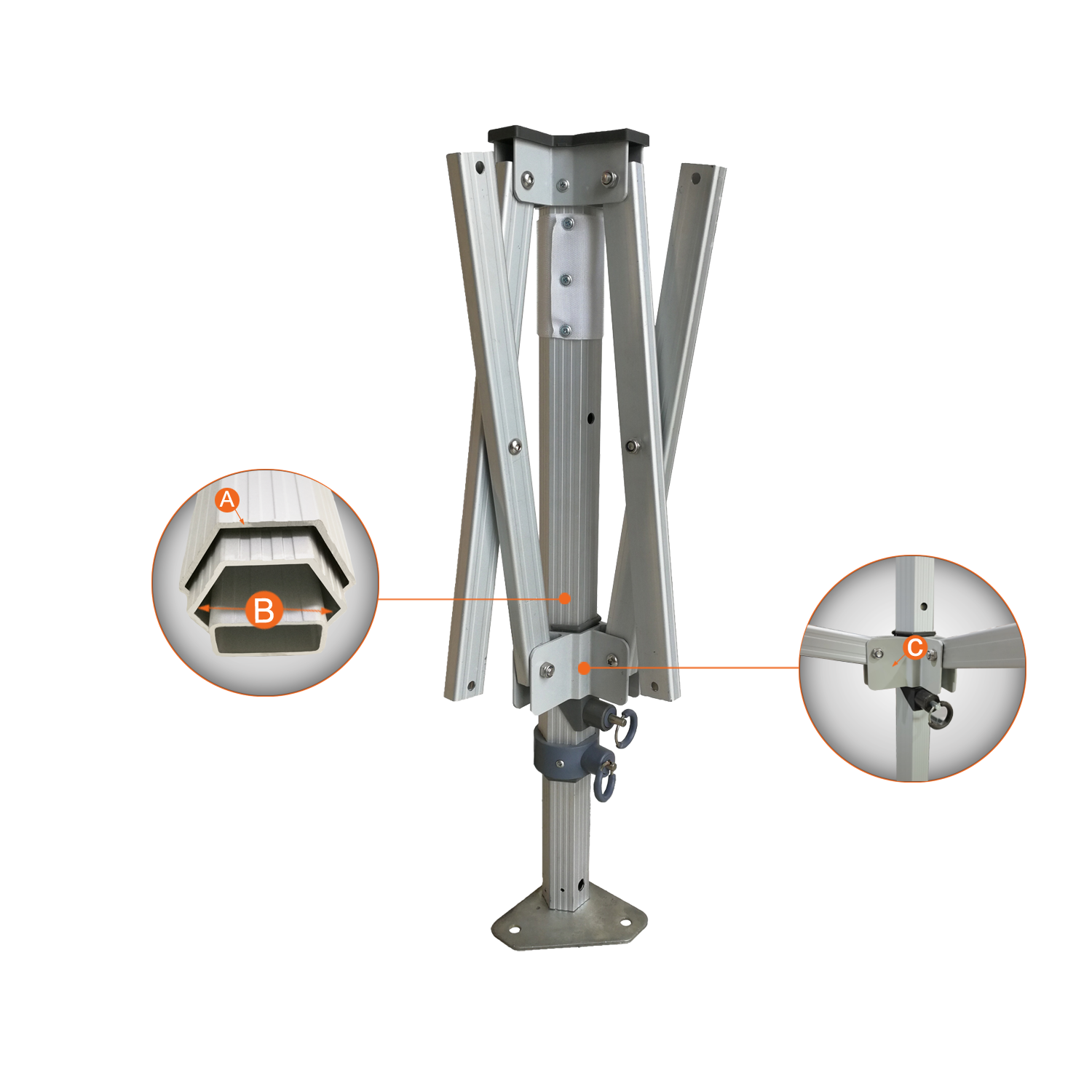
Why Rust Accelerates Connector Failure
Corrosion is not merely a cosmetic issue.
Rust changes the mechanical properties of metal.
It creates:
- Surface pitting
- Crack initiation points
- Reduced cross-sectional area
Fatigue cracks often begin at corrosion sites.
This is why corrosion protection is critical.
Galvanized vs Stainless Steel Hardware
Galvanized Steel
Advantages:
- Cost-effective
- Good corrosion resistance
Disadvantages:
- Coating eventually wears away
Stainless Steel
Advantages:
- Excellent corrosion resistance
- Longer lifespan
Disadvantages:
- Higher cost
For coastal environments, stainless steel hardware often provides superior long-term performance.
Why Hub Design Is Often More Important Than Material
Many buyers focus only on metal strength.
However:
Even strong metal can fail if the hub design is poor.
Common design flaws include:
- Sharp corners
- Stress concentrations
- Thin plates
- Insufficient gussets
- Poor load distribution
These issues amplify fatigue loading.
The Hidden Danger of Stress Concentration
Engineering failures often begin at:
- Bolt holes
- Weld edges
- Sharp transitions
These areas concentrate stress.
Over time:
Cracks initiate and grow.
Professional dome tent factories use:
- Rounded geometries
- Reinforcement plates
- Optimized load paths
To minimize stress concentration.
Welded Hubs vs Cast Hubs
Cast Hubs
Advantages:
- Fast production
- Lower cost
Disadvantages:
- Potential porosity
- Variable quality
Fabricated Steel Hubs
Advantages:
- Better consistency
- Higher strength
- Easier inspection
Disadvantages:
- Higher manufacturing cost
Many commercial dome tent projects prefer fabricated hubs.
Environmental Factors That Accelerate Connector Fatigue
High Temperatures
Heat causes:
- Expansion cycles
- Increased stress
Wind Vibration
Continuous micro-movement accelerates fatigue.
Coastal Environments
Salt accelerates corrosion.
Snow Loads
Long-term compression increases connector stress.
Frequent Assembly
Rental companies often assemble and disassemble structures repeatedly.
This creates additional wear.
Questions Every Buyer Should Ask a Dome Tent Manufacturer
Before purchasing, ask:
What material are the hubs made from?
What bolt grades are used?
Are material certificates available?
Is the hardware galvanized or stainless?
What fatigue testing has been performed?
What is the design wind rating?
What is the expected service life?
Professional suppliers should answer these questions confidently.
How Dtent Ensures Connector Reliability
As a professional dome tent manufacturer, Dtent understands that connector quality directly determines structural reliability.
Our approach includes:
Engineering-Based Design
We prioritize:
- Load distribution
- Fatigue resistance
- Structural longevity
Quality Hardware Selection
Hardware is selected based on:
- Strength
- Corrosion resistance
- Long-term durability
Manufacturing Quality Control
Every production batch undergoes:
- Dimensional inspection
- Material verification
- Assembly testing
Commercial-Grade Applications
Our dome tent systems are used for:
- Events
- Exhibitions
- Hospitality projects
- Brand activations
- Commercial installations
OEM Manufacturing Experience
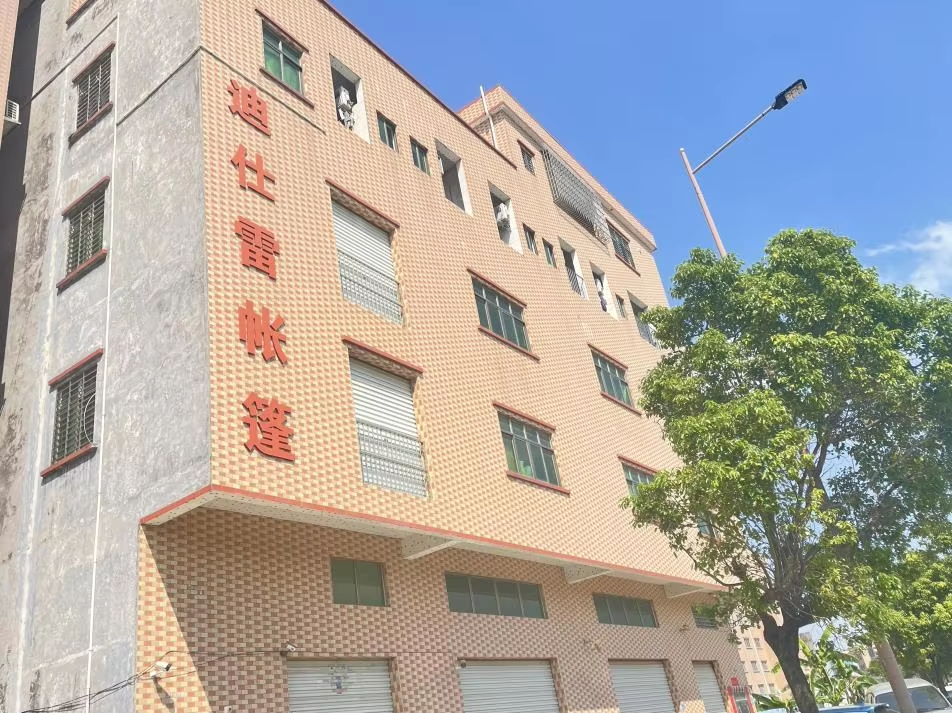
With more than 10 years of tent manufacturing experience and a 6,000-square-meter production facility, Dtent provides customized dome tent solutions for global brands, distributors, rental companies, and event organizers.
Future Trends in Dome Tent Connector Technology
The industry is moving toward:
High-Strength Structural Alloys
CNC-Machined Connectors
Corrosion-Resistant Fastening Systems
Finite Element Analysis Optimization
Smart Structural Monitoring
These innovations improve safety while extending service life.
The Connector Is Often the Most Important Part of a Dome Tent
A dome tent may contain thousands of dollars worth of tubing and fabric.
Yet the entire structure depends on relatively small hardware components.
When evaluating a dome tent:
Do not focus solely on:
- Diameter
- Appearance
- Weight
Instead investigate:
- Connector material
- Bolt grade
- Corrosion protection
- Hub design
- Fatigue resistance
The best dome tent factory is not the one that offers the lowest price.
It is the manufacturer that can explain exactly how its connectors are engineered, tested, and verified.
Because in structural systems, reliability is rarely determined by the largest component.
It is determined by the smallest one that carries the load.
Are you a Trading Company or Manufacturer?
We are a manufacturer specialized in Folding tents, Outdoor umbrellas, Beach flags, Advertising Banners
Can you do design for my ideas or drawing?
Yes, we have experienced designers and our own molding factory. According to your requirements, we can design or open mold which has a competitive price.
How long does sample take?
Sample will be ready within 5-7 days, depends on your printing and material requirements.
What is your advantage?
Cost effective; with low price; Time effective: we promise to make the mass delivery within 30 days Service effective: Our sales people promise to reply your enquiry within 12 hours.Contact whatsapp 86 180 3827 3926