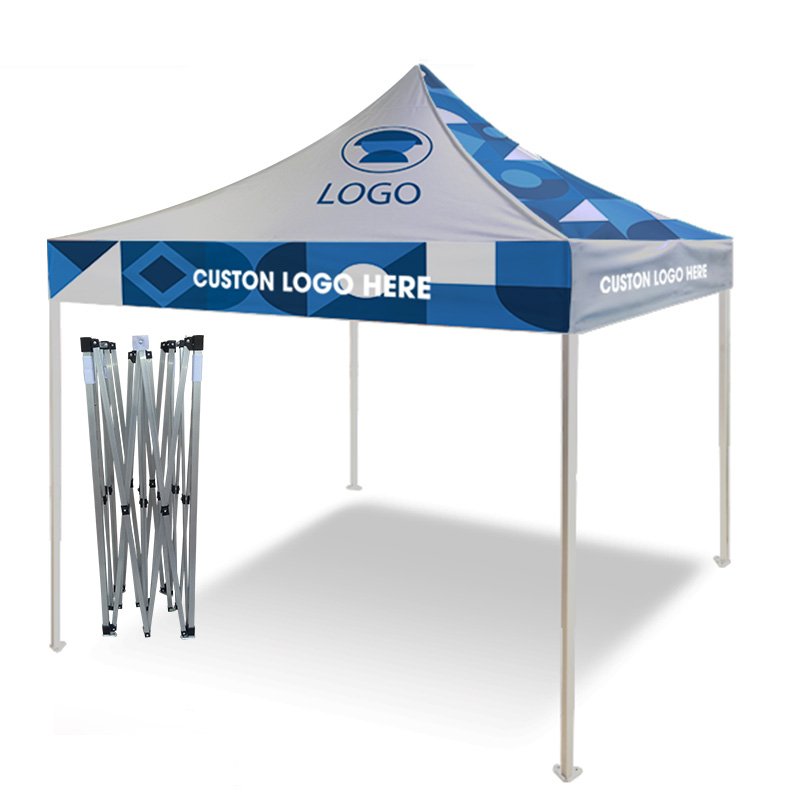
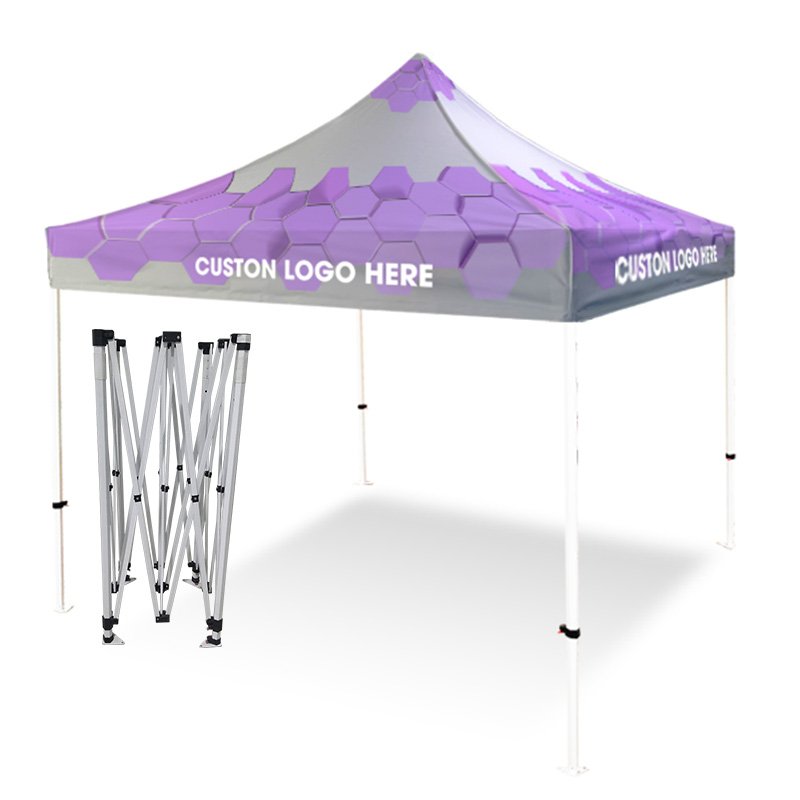
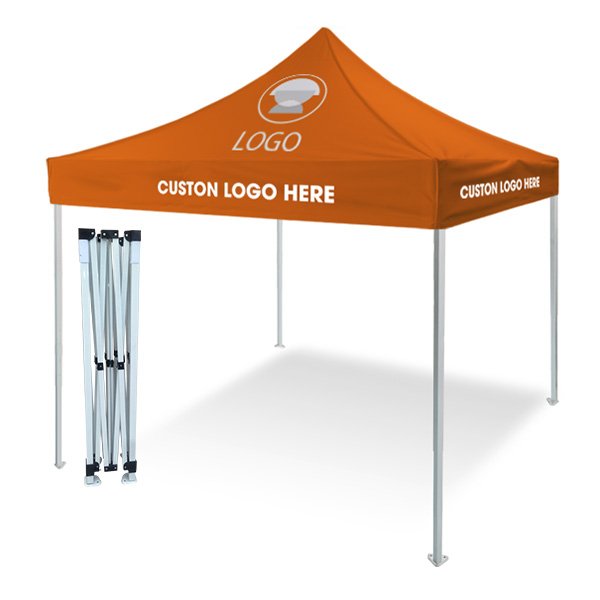
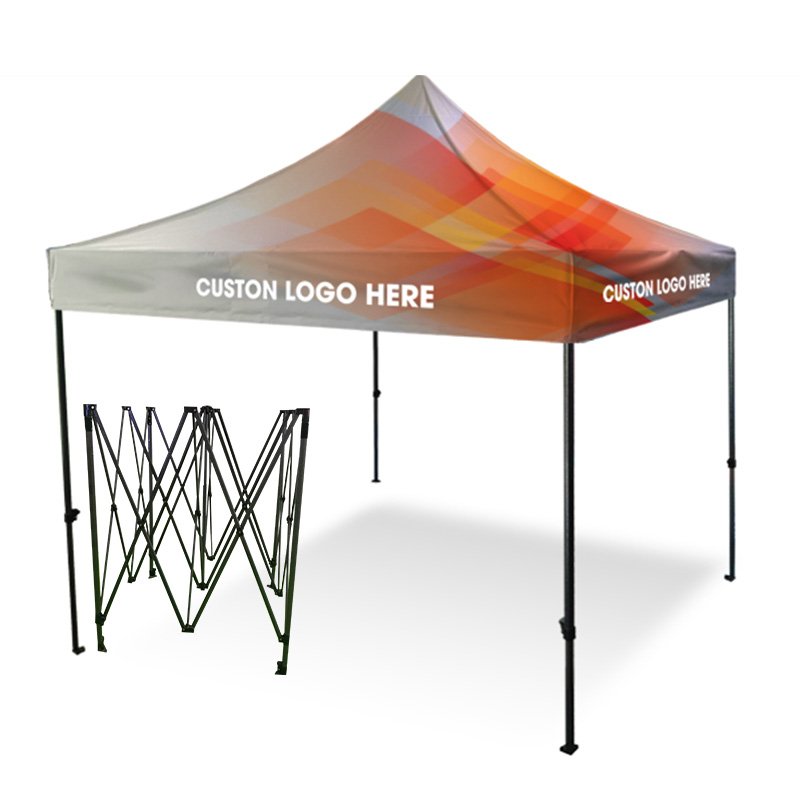
In the commercial tent industry, especially in event tents and pop-up canopy systems, buyers often assume that “bigger is better” when it comes to structural components. One of the most common examples is the tent hexagon leg — a critical structural element that directly impacts stability, durability, and portability.
Many suppliers promote larger profiles such as 50mm hex legs as “stronger” and “more durable.” However, from an engineering perspective, the reality is more nuanced. The relationship between diameter, wall thickness, weight, and real-world performance is governed by structural mechanics — not marketing claims.
This article provides a professional, engineering-focused breakdown of tent hexagon leg design, helping buyers understand:
Whether a 50mm tent hexagon leg is always better than a 40mm one
How wall thickness (1.2mm, 1.5mm, 2.0mm) affects performance
When diminishing returns begin
How to balance strength vs portability
How to select the right tent hexagon leg for your application
We also explain why working with an experienced manufacturer like Dtent ensures optimal structural performance.
What Is a Tent Hexagon Leg and Why It Matters
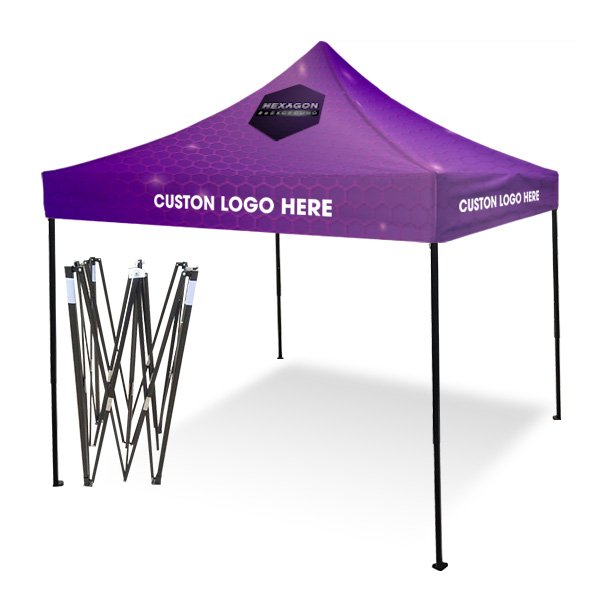
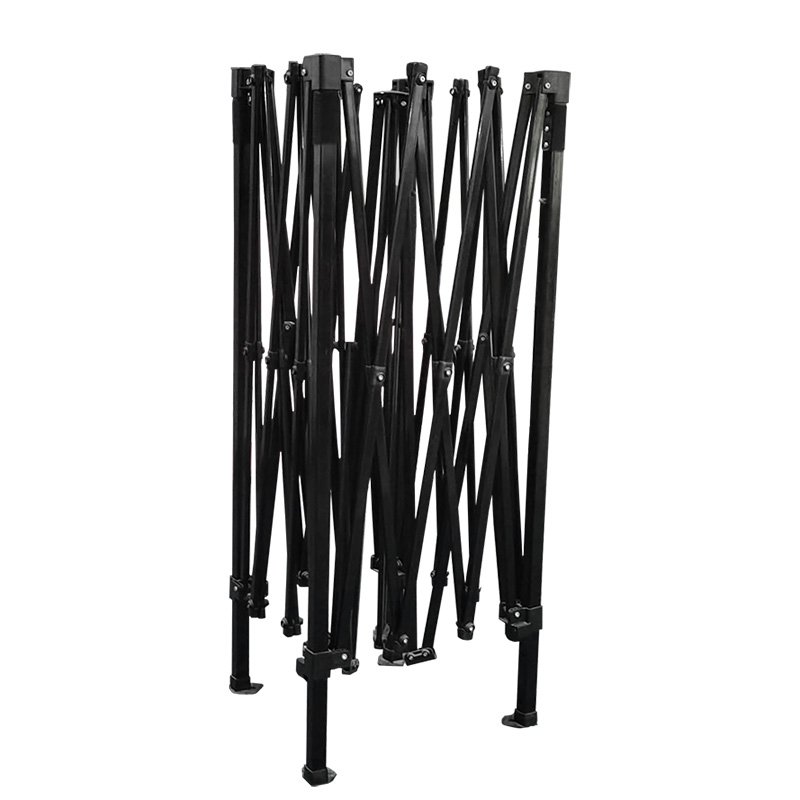
A tent hexagon leg refers to a six-sided aluminum or steel vertical support column used in pop-up tents and event canopy systems. Compared to square or round legs, the hexagonal profile offers:
Better torsional rigidity
Improved load distribution
Enhanced resistance to deformation
More stable locking and sliding mechanisms
Because the tent hexagon leg directly supports vertical loads and resists lateral forces (wind, movement, uneven ground), its design is crucial to overall tent performance.
Understanding Tent Hexagon Leg Dimensions: 40mm vs 50mm
At first glance, the difference seems straightforward — a larger diameter should mean stronger performance. However, structural efficiency depends on more than just size.
Cross-Sectional Mechanics
The bending resistance of a tent hexagon leg is proportional to its second moment of area (I), which increases with diameter — but not linearly.
A 50mm leg does provide higher stiffness than a 40mm leg, but:
The increase in strength is not proportional to the increase in weight
The added bulk affects portability and usability
Practical Insight
40mm tent hexagon leg → optimized for portability and standard use
50mm tent hexagon leg → designed for heavy-duty and high-wind environments
High Quality Tent Frame S30 For Pop Up Canopy Tents
评分 0 / 5
The Critical Factor: Tent Hexagon Leg Wall Thickness
While diameter gets most of the attention, wall thickness is often the more important variable in determining real performance.
Common wall thickness options include:
1.2mm
1.5mm
2.0mm
How Wall Thickness Affects Performance
1.2mm Wall Thickness
Lightweight and highly portable
Suitable for light-duty applications
Lower resistance to bending and fatigue
1.5mm Wall Thickness
Balanced performance
Good strength-to-weight ratio
Suitable for commercial event use
2.0mm Wall Thickness
High structural strength
Increased durability
Significantly heavier
When Does Diminishing Returns Begin?
The concept of diminishing returns is critical in tent hexagon leg design.
Strength vs Weight Relationship
Increasing wall thickness improves strength — but at a cost:
Weight increases linearly
Strength increases at a decreasing rate
Practical Threshold
From an engineering and field-use perspective:
1.5mm thickness is the optimal balance point
Beyond 1.5mm → gains in strength become less noticeable for most applications
At 2.0mm → portability drops significantly without proportional performance benefits
Example Comparison
Specification
40mm / 1.5mm
50mm / 1.2mm
50mm / 2.0mm
Weight
Medium
Medium
Heavy
Strength
Balanced
Moderate
High
Portability
High
Medium
Low
Cost
Moderate
Moderate
High
This demonstrates that a well-designed 40mm tent hexagon leg with 1.5mm thickness can outperform a poorly optimized 50mm leg.
Why Bigger Is Not Always Better in Tent Hexagon Leg Design
Many buyers assume that upgrading to a 50mm tent hexagon leg automatically improves quality. However, this can lead to several issues:
1. Reduced Portability
Heavier legs increase:
Transportation cost
Setup difficulty
Labor requirements
2. Over-Engineering
For standard event tents, a 50mm / 2.0mm configuration may be excessive.
3. Cost Inefficiency
More material means higher production cost without proportional benefit.
4. User Experience Impact
Heavier frames can reduce usability for:
Quick setup tents
Mobile event teams
Rental businesses
Structural Strength vs Portability: Finding the Balance
Choosing the right tent hexagon leg requires balancing two competing priorities:
Structural Strength
Needed for:
High wind conditions
Large canopy sizes
Long-term installations
Portability
Critical for:
Frequent setup and teardown
Transportation efficiency
Labor cost control
Optimal Configurations
Standard commercial use: 40mm / 1.5mm
Heavy-duty event use: 50mm / 1.5mm
Extreme conditions: 50mm / 2.0mm
Length and Geometry of Tent Hexagon Leg
Beyond diameter and thickness, leg length and geometry also influence performance.
Leg Length
Longer legs increase:
Bending moment
Instability risk
Proper reinforcement is required for taller tents.
Telescopic Design
Most tent hexagon leg systems are telescopic:
Inner and outer tubes
Locking mechanisms
Precision engineering is essential to avoid:
Wobbling
Misalignment
Wear over time
Material Quality: The Hidden Variable
Even with correct dimensions, material quality plays a critical role.
Key considerations include:
Aluminum alloy grade (e.g., 6061-T6)
Heat treatment quality
Surface finish
Consistency of extrusion
Low-quality materials can result in:
Premature bending
Structural fatigue
Reduced lifespan
Manufacturing Quality and Engineering Precision
A high-performance tent hexagon leg depends on manufacturing quality.
Critical Factors
Precision extrusion
CNC machining accuracy
Tight tolerances
Reinforced stress نقاط
High-quality connectors
Assembly Design
Weak joints often fail before the leg itself.
Professional manufacturers optimize:
Load distribution
Locking systems
Reinforcement نقاط
Why Dtent Delivers Optimized Tent Hexagon Leg Solutions
Dtent is a professional custom tent manufacturer with over 10 years of experience in producing high-quality event tents and structural components.
Engineering-Driven Design
Dtent focuses on:
Optimized leg geometry
Balanced strength-to-weight ratios
Real-world performance testing
Material Control
Verified aluminum alloys
Consistent wall thickness
Strict quality inspection
OEM Experience
Dtent manufactures for international brands, ensuring:
Reliable specifications
Consistent production quality
Scalable manufacturing
Custom Solutions
Dtent provides tailored configurations based on:
Application requirements
Environmental conditions
Budget constraints
How to Choose the Right Tent Hexagon Leg Configuration
When selecting a tent hexagon leg, follow these guidelines:
Step 1: Define Application
Light promotional use → prioritize portability
Commercial events → balance strength and weight
Long-term installations → prioritize durability
Step 2: Evaluate Specifications
Focus on:
Diameter
Wall thickness
Material grade
Step 3: Avoid Marketing Traps
Do not rely solely on:
“Heavy-duty” claims
Larger size descriptions
Step 4: Work With Trusted Manufacturers
Choose suppliers with:
Proven experience
Transparent specifications
Engineering expertise
Future Trends in Tent Hexagon Leg Design
The tent industry is evolving toward:
Lightweight high-strength alloys
Optimized cross-sectional profiles
Hybrid materials
Advanced structural simulation
Manufacturers focusing on engineering efficiency — rather than simply increasing size — will lead the market.
Smart Engineering Beats Bigger Size
The assumption that a larger tent hexagon legis always better is a classic example of oversimplified thinking in product sourcing.
In reality:
A 40mm tent hexagon leg with 1.5mm thickness often provides the best balance
A 50mm leg is only beneficial in specific scenarios
Increasing thickness beyond 1.5mm leads to diminishing returns for most applications
The key is not choosing the biggest option — but choosing the most efficient design based on real performance requirements.
By understanding these principles and working with experienced manufacturers like Dtent, buyers can avoid common pitfalls and ensure their tent systems deliver:
Yes, we have experienced designers and our own molding factory. According to your requirements, we can design or open mold which has a competitive price.
Cost effective; with low price; Time effective: we promise to make the mass delivery within 30 days Service effective: Our sales people promise to reply your enquiry within 12 hours.Contact whatsapp 86 180 3827 3926
Foreign trade business director
13 years of business experience
Serve well-known brand customers
Any questions, please feel free to contact me immediately!


 English
  French