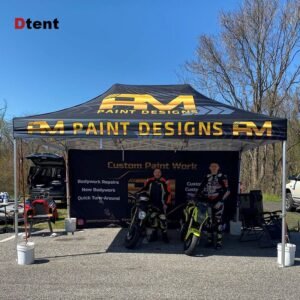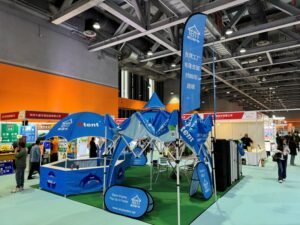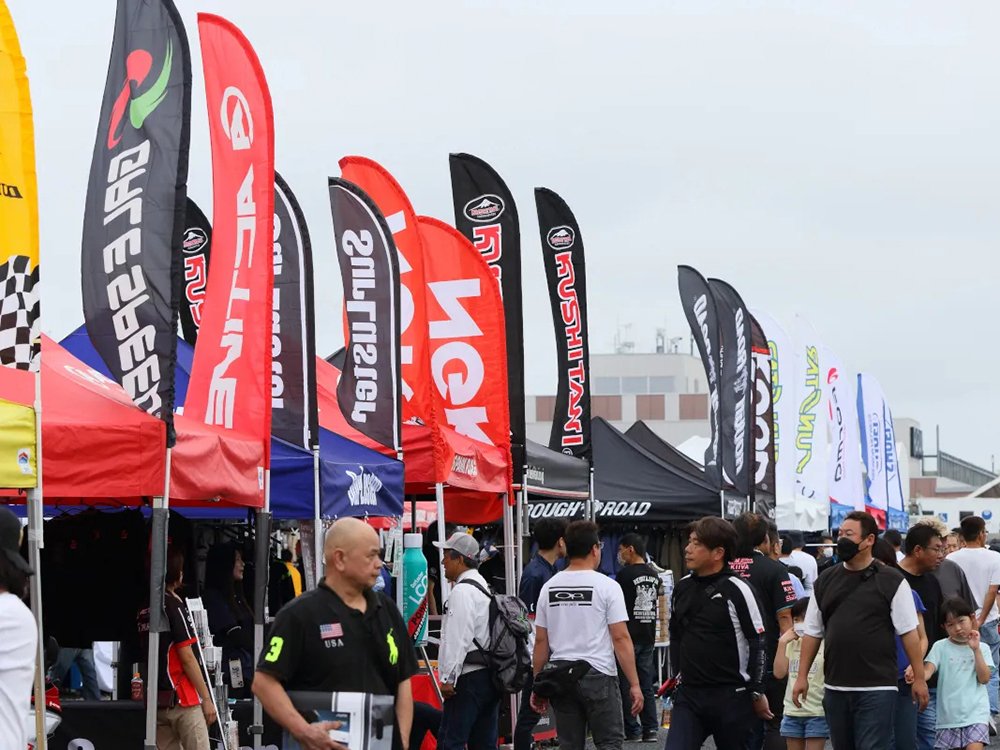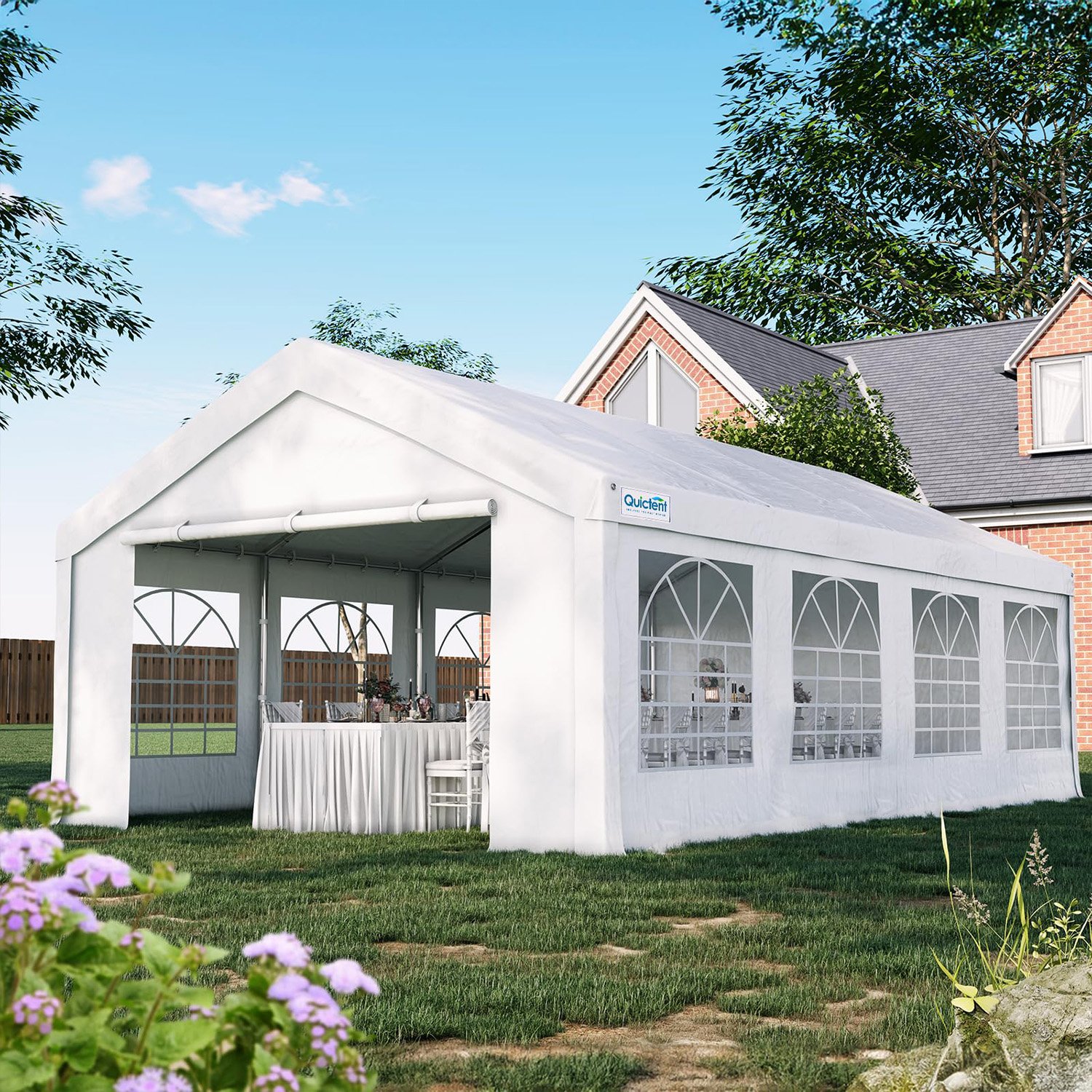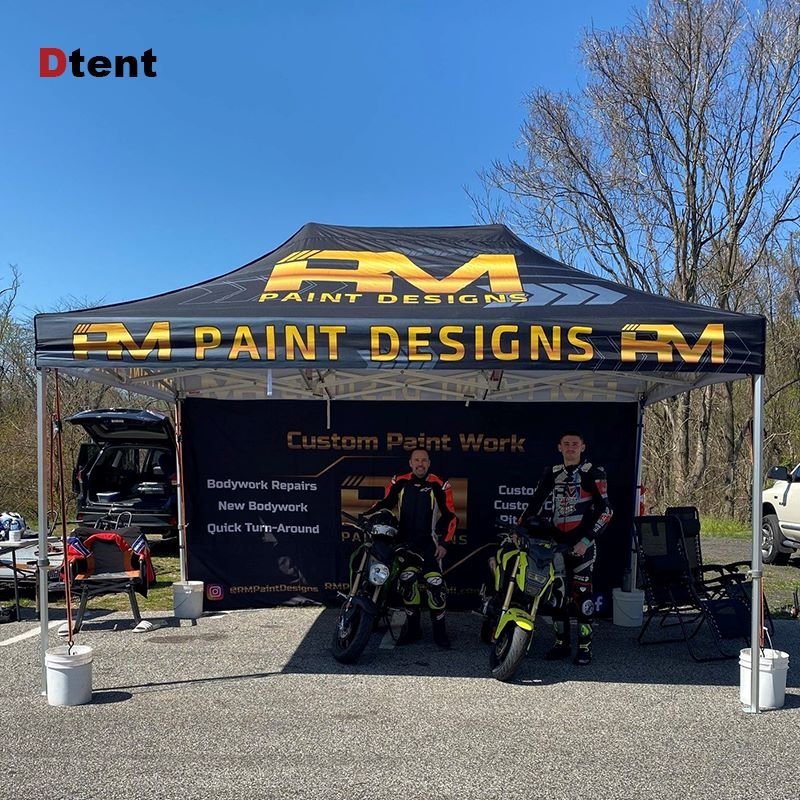

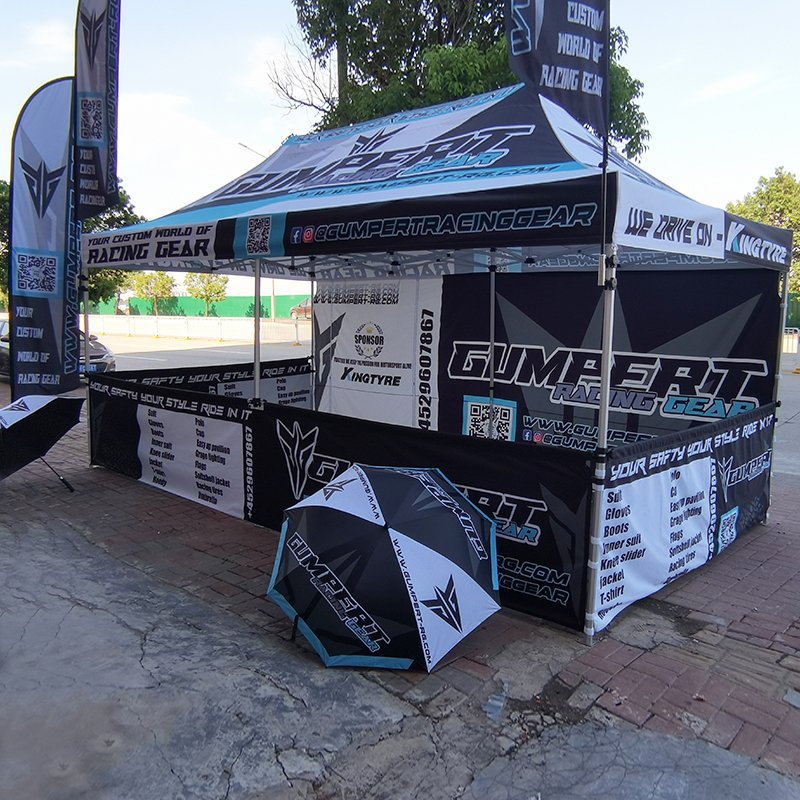
Когда покупатели сравнивают выдвижной навес, Они часто сосредотачиваются на видимых особенностях:
- Ткань для навеса
- Качество печати
- Алюминиевые ножки
- Габаритные размеры
- Цена
Однако опытные компании по прокату оборудования, организаторы мероприятий, дистрибьюторы и покупатели OEM-продукции знают, что Самые мелкие компоненты зачастую определяют самые большие различия в производительности..
Каркас навеса состоит из десятков, казалось бы, незначительных деталей:
- Ферменные балки
- Подушечки для ног
- Угловые скобы
- Центральные узлы
- Заклёпки
- Болты
- Пружинные штифты
- кнопки блокировки
- Пластиковые ползунки
- Нейлоновые втулки
- Торцевые заглушки
Если выйдет из строя хотя бы один из этих компонентов, весь купол может стать нестабильным, его будет трудно развернуть или даже он может оказаться небезопасным.
Многие гарантийные случаи вызваны не повреждением ткани или деформацией ножек, а некачественными соединителями, плохо спроектированными поперечными балками или слишком маленькими опорными подушками.
Как профессионал производитель складных навесов, Компания Dtent имеет более чем 10-летний опыт производства коммерческих шатров для мероприятий, навесов на заказ, выставочных павильонов и рекламных шатров для OEM-производителей. Наше производственное предприятие площадью 6000 м² ежегодно выпускает тысячи прочных каркасов для клиентов по всему миру.
В этом руководстве мы объясним, почему скрытые компоненты заслуживают такого же внимания, как и основной блок, как производители премиум-класса проектируют эти детали и на что покупателям следует обращать внимание перед выбором. фабрика по производству складных навесов.

Почему именно мелкие компоненты определяют надежность выдвижного навеса?
Представьте себе складной навес как автомобиль.
Клиенты могут восхищаться:
- Краска
- Колеса
- Интерьер
Но надежность зависит от совместной работы сотен специально разработанных компонентов.
Тот же принцип применим и к коммерческому навесу.
Вся конструкция рамы состоит из более чем 100 отдельных деталей, которые должны бесперебойно работать на протяжении тысяч циклов открытия и закрытия.
Один слабый компонент может привести к:
- Структурная нестабильность
- Сложное развертывание
- Повышенный износ
- Шум во время работы
- Деформация кадра
- Неожиданный обвал
Профессиональный производители складных навесов Поэтому проектируйте каждый компонент как часть интегрированной механической системы, а не рассматривайте их как взаимозаменяемые детали.
Понимание пути передачи структурной нагрузки
Прежде чем обсуждать отдельные элементы, важно понять, как силы распространяются по кроне дерева.
Ветровые нагрузки, нагрузки на крышу и усилия, прилагаемые пользователями, передаются через:
Ткань для крыши
↓
Центр Хаб
↓
Ферменные балки для выдвижного навеса
↓
Угловые кронштейны
↓
Шестиугольные ножки
↓
Подушечки для ног
↓
Земля
Если какой-либо компонент нарушает этот путь передачи нагрузки, напряжение концентрируется в другом месте, ускоряя усталость и сокращая срок службы.
Каркас подвесного тента: основа конструкции.
Среди всех скрытых компонентов, ферма выдвижного навеса Пожалуй, это самое важное.
От этого зависит каждое движение при открытии и закрытии.
Стержни фермы выполняют несколько важных функций:
- Сохранение геометрии рамы
- Распределение нагрузок на крышу
- Сопротивляйтесь боковым силам
- Синхронизация развертывания
- Предотвращение деформации крыши
Некачественные арматурные стержни часто приводят к следующим последствиям:
- Скручивание
- Изгиб
- Постоянный изгиб
- Сложная настройка
- Неравномерное натяжение кровли


Что отличает высококачественную ферму для складного навеса?
Профессиональный производители складных навесов оценить несколько инженерных параметров.
Выбор материалов
В профессиональных анкерных балках обычно используются:
- Алюминий 6061-T6
- алюминий 6063-T5
- Высокопрочная оцинкованная сталь
Выбор материала зависит от:
- Требования к нагрузке
- Целевые показатели веса
- Коррозионная стойкость
- Ожидаемая частота развертывания
Геометрия труб
Форма поперечного сечения существенно влияет на жесткость.
Типичные варианты включают:
- Плоские прямоугольные профили
- Овальные сечения
- Усиленные коробчатые профили
Правильно спроектированный профиль повышает сопротивление изгибу без чрезмерного увеличения веса.
Толщина стенки
К типичным коммерческим техническим требованиям относятся:
- 1,2 мм
- 1,5 мм
- 2,0 мм
Простое увеличение толщины не всегда является решением. Профессиональные инженерные решения позволяют найти баланс между жесткостью и портативностью.
Почему дешевые ферменные балки выходят из строя
К распространённым причинам относятся:
- Тонкие алюминиевые стенки
- Нестабильное качество экструзии
- Некачественная термообработка
- Слабые заклепочные соединения
- Резкие концентрации напряжений
Многократные циклы открытия постепенно приводят к усталости металла до тех пор, пока не произойдет необратимая деформация.
Подножки: наиболее недооцененный элемент безопасности.
Покупатели часто игнорируют подушечки для ног, Однако они напрямую влияют на:
- Устойчивость грунта
- Ветроустойчивость
- Распределение нагрузки
- Безопасность пользователя
Небольшие подушечки на лапах создают высокое контактное давление.
На мягких поверхностях они легко тонут.
На твердых поверхностях они могут скользить.
Разработка более совершенной подножки
Профессионал фабрика по производству складных навесов рассматривает:
Площадь поверхности
Более крупные опорные площадки распределяют нагрузку более равномерно.
В число преимуществ входят:
- Уменьшенное погружение
- Улучшенная стабильность
- Улучшенное крепление балласта
Материал
К распространенным материалам относятся:
- Усиленный нейлон
- Литой алюминий
- Высокопрочная сталь
Низкокачественные пластмассы становятся хрупкими после длительного воздействия ультрафиолетового излучения.
Совместимость с якорями
Премиальные подушечки для ног обеспечивают поддержку:
- Ставки
- Распорные болты
- Мешки с песком
- Водные веса
- Бетонный балласт
Универсальность повышает безопасность монтажа на различных объектах.
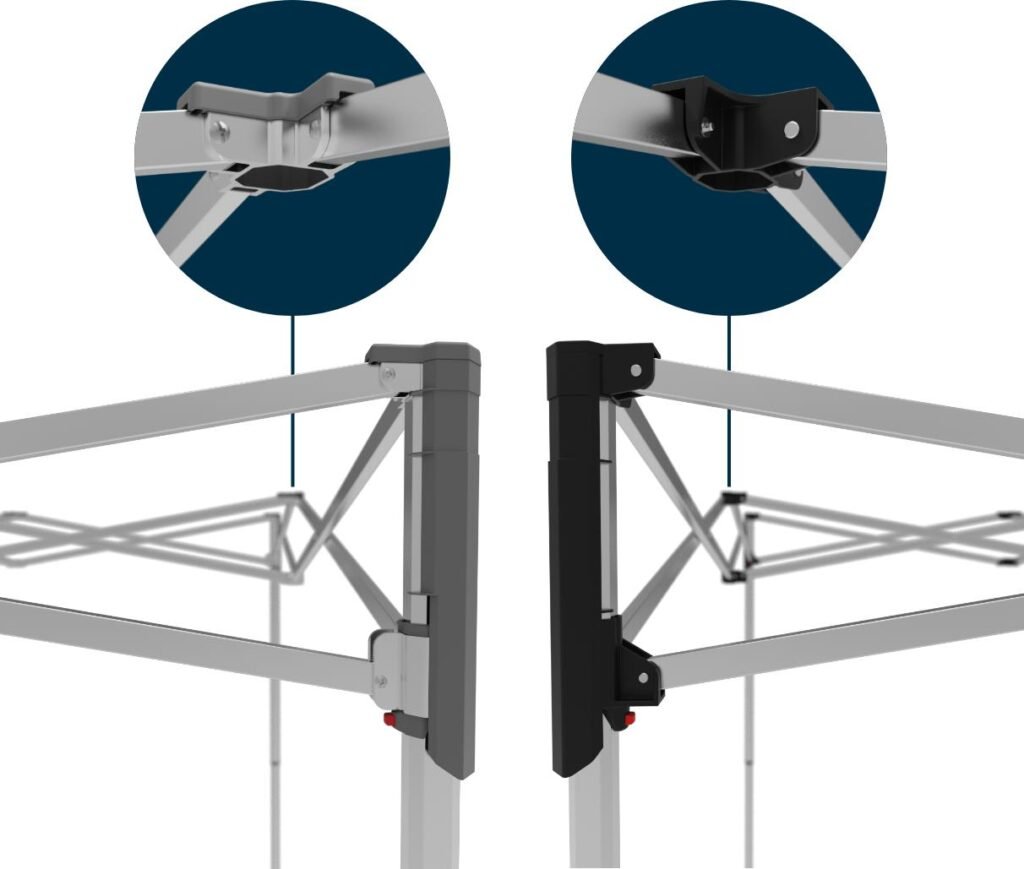
Угловые скобки: точка схождения сил
Вся нагрузка на крышу проходит через угловой кронштейн.
Этот компонент обеспечивает соединение:
- Конструкция крыши
- Ферменные балки
- Ноги
Слабые кронштейны часто выходят из строя раньше, чем сами ножки.
Профессиональные производители укрепляют эти области следующими способами:
- Толстый литой алюминий
- компоненты, изготовленные на станках с ЧПУ
- Многоточечные крепежные элементы
Центральный узел: Сердце конструкции крыши
Центральная ступица испытывает наибольшую сжимающую нагрузку во всей раме.
Неправильная конструкция ступиц может привести к следующим последствиям:
- Провисание крыши
- Неравномерное развертывание
- Неправильно расположенные фермы
- Трещина в разъеме
В конструкциях премиум-класса используются усиленные отливки, обеспечивающие сохранение геометрии при многократных нагрузках.
Системы запирания: безопасность превыше удобства
Запорные механизмы выполняют не только функцию фиксации рамы.
Они также:
- Предотвратить случайное обрушение
- Улучшение скорости настройки
- Снижение утомляемости оператора
Профессиональные системы обычно включают в себя:
- Кнопки с надежной блокировкой
- Звуковое взаимодействие
- Спуск с пружинным механизмом
- Геометрия, предотвращающая защемление
Ползунки и втулки: мелкие детали, большие удары
Ползунки перемещаются вдоль ножек каждый раз, когда открывается навес.
Без втулок:
- Алюминий трется непосредственно об алюминий.
- Трение возрастает.
- Износ ускоряется.
- Война становится непростой.
Высококачественные втулки, изготовленные из конструкционных пластмасс или самосмазывающихся полимеров, обеспечивают:
- Плавное движение
- Снижен уровень шума
- Более длительный срок службы
Заклёпки и болты: Невоспетые герои
Любое подвижное соединение зависит от крепежных элементов.
Часто изготавливаются дешевые заклепки:
- Свобода
- Овальные отверстия
- Коррозия
- Усталостные трещины
Профессиональный производители складных навесов Укажите высокопрочные заклепки или болты с коррозионностойким покрытием и контролируемым моментом затяжки.
Пружины и стопорные штифты
Пружинные механизмы определяют, насколько надежно фиксируется рама.
Пружины низкого качества могут:
- Теряет эластичность
- Ржаветь
- Палка
- Неспособность к взаимодействию
Высококачественные пружины из нержавеющей стали сохраняют стабильные характеристики после тысяч циклов.
Пластиковые компоненты: выбор подходящего конструкционного полимера
Пластик сам по себе не является слабым материалом.
Проблема заключается в выборе неправильного полимера.
Профессиональные производители часто используют:
- нейлон, армированный стекловолокном
- Ударопрочный полиамид PA66
- УФ-стабилизированные конструкционные пластмассы
Эти материалы превосходят недорогие переработанные пластмассы, особенно в условиях низких или высоких температур на открытом воздухе.
Обработка поверхности: защита каждого компонента
Даже материалы премиум-класса нуждаются в защите.
К распространенным методам лечения относятся:
Порошковая покраска
Преимущества:
- Коррозионная стойкость
- Гладкая поверхность
- Защита от царапин
Анодирование
Часто применяется к алюминиевым компонентам.
К преимуществам относятся:
- Превосходная стойкость к окислению
- Повышенная износостойкость
- Премиальный внешний вид
Цинковое покрытие
Обычно используется для болтов и стальных кронштейнов.
Обеспечивает защиту от коррозии за счет жертвенного воздействия.
Контроль качества, который должен проводить каждый производитель складных навесов.
Надежный производители складных навесов Не следует полагаться только на визуальный осмотр.
Ключевые тесты включают в себя:
Проверка цикла открытия и закрытия
Имитирует годы использования.
Профессиональные коммерческие рамки должны выдерживать тысячи циклов развертывания без существенного износа.
Испытание статической нагрузкой
Оценивает несущую способность конструкции при непрерывной нагрузке.
Динамическое моделирование ветра
Оценивает поведение каркаса при изменяющихся боковых нагрузках.
Испытание солевым туманом
Измеряет коррозионную стойкость металлических компонентов с покрытием.
Тест на старение под воздействием УФ-излучения
Проводится оценка стойкости пластика и покрытия при длительном воздействии солнечного света.
Испытание на усталость суставов
Основное внимание уделяется арматурным стержням, заклепкам, шарнирам и соединителям для выявления потенциальных усталостных разрушений.
Типичные виды отказов и их первопричины
| Компонент | Типичная неисправность | Первопричина | Профессиональное решение |
|---|---|---|---|
| Ферменная балка | Изгиб | Тонкостенная, плохо сплавленная. | Усиленные алюминиевые профили |
| Подставка для ног | Взлом | Хрупкий пластик | нейлон, армированный стекловолокном, или алюминий |
| Угловой кронштейн | Перелом | Тонкостенное литье | Толстый прецизионный литой кронштейн |
| Кнопка блокировки | Прилипание | Слабая пружина | Система пружин из нержавеющей стали |
| Заклёпка | Ослабление | Мягкие заклепки | Высокопрочные заклепки с контролируемой установкой |
| Ползунок | Грубое движение | Без втулки | Втулки из конструкционных полимеров с низким коэффициентом трения |
Вопросы, которые покупатели должны задать производителю складных навесов.
Вместо того чтобы спрашивать только о цене, спросите:
- Из какого сплава изготовлены стержни фермы?
- Какова толщина стенки арматурного стержня фермы?
- Устойчивы ли подушечки для ног к ультрафиолетовому излучению?
- Оснащены ли направляющие втулками?
- Сколько циклов открытия было протестировано на раме?
- Какие коррозионные испытания были проведены?
- Можно ли заказать запасные части по отдельности?
- Обеспечивается ли отслеживаемость каждого компонента для контроля качества?
Эти вопросы гораздо лучше, чем рекламные брошюры, раскрывают инженерные возможности поставщика.

Почему компания Dtent проектирует каждый компонент с учетом долгосрочной надежности?
В компании Dtent мы считаем, что прочность коммерческого навеса определяется прочностью его самого слабого компонента.
Наша философия дизайна включает в себя:
Высокоточные поперечные балки
Оптимизированные поперечные сечения повышают жесткость, сохраняя при этом портативность.
Прочные опорные накладки для ног
Разработан для различных способов крепления и обеспечивает превосходную устойчивость на грунте.
Премиум-разъемы
Усиленные кронштейны снижают концентрацию напряжений и продлевают срок службы рамы.
Высококачественные конструкционные пластмассы
УФ-стабилизированные и ударопрочные полимеры повышают долговечность изделия.
Строгий контроль качества поступающих материалов
Каждая партия алюминия, стали и конструкционного пластика проходит проверку перед началом производства.
Комплексное тестирование качества
Перед отгрузкой готовые рамы проходят проверку размеров, испытания на развертывание, проверку на нагрузку и функциональную оценку.
Тенденции будущего в проектировании компонентов для выдвижных навесов
следующее поколение производители складных навесов основное внимание уделяется:
- Высокопрочные легкие алюминиевые сплавы
- Конструкционные пластмассы, армированные углеродным волокном
- Модульные ремонтопригодные компоненты
- Системы замены без использования инструментов
- Интеллектуальные механизмы защиты от защемления
- Коррозионностойкие композитные соединители
- Прогнозирующее тестирование долговечности с использованием метода конечных элементов (МКЭ)
Эти инновации позволят еще больше повысить безопасность, снизить затраты на техническое обслуживание и продлить срок службы коммерческих навесов.
Рекомендация производителя складного навеса
Долгосрочная эффективность коммерческого навеса определяется не только его тканью или основным каркасом, но и десятками скрытых компонентов, работающих согласованно. Подъемные балки фермы навеса, Ножки, соединители, запирающие механизмы, ползунки, заклепки и втулки — все это играет важную роль в обеспечении структурной устойчивости, безопасности пользователя и удобства эксплуатации.
Профессионал производитель складных навесов Понимает, что каждый компонент должен быть спроектирован как часть целостной конструктивной системы. Выбирая сертифицированные материалы, оптимизируя геометрию, применяя строгий контроль качества и проводя всесторонние испытания на прочность, производители могут поставлять навесы, которые выдерживают годы многократного использования в сложных условиях окружающей среды.
Обладая более чем 10-летним опытом производства, производственным комплексом площадью 6000 м² и обширным опытом работы с международными брендами в качестве OEM-производителя, компания Dtent разрабатывает коммерческие раскладные тенты, в которых каждый компонент — от самого крупного элемента каркаса до мельчайшего крепежа — спроектирован с учетом надежности, безопасности и долгосрочной ценности. Для покупателей, стремящихся к надежной продукции, а не к краткосрочной экономии, сотрудничество с опытным партнером — это залог успеха. фабрика по производству складных навесов Это ключ к максимизации отдачи от инвестиций и минимизации затрат на техническое обслуживание на протяжении всего срока службы навеса.
Вы торговая компания или производитель?
Мы — производитель, специализирующийся на складных шатрах, уличных зонтах, пляжных флагах и рекламных баннерах.
Можете ли вы разработать дизайн на основе моих идей или эскизов?
Да, у нас есть опытные дизайнеры и собственный завод по производству пресс-форм. Мы можем разработать дизайн или изготовить пресс-форму в соответствии с вашими требованиями по конкурентной цене.
Сколько времени занимает изготовление образца?
Образец будет готов в течение 5–7 дней, в зависимости от ваших требований к печати и материалам.
В чем ваше преимущество?
Выгодная цена; экономия времени: мы гарантируем выполнение оптового заказа в течение 30 дней; качественное обслуживание: наши менеджеры обязуются ответить на ваш запрос в течение 12 часов. Контакты. WhatsApp 86 180 3827 3926