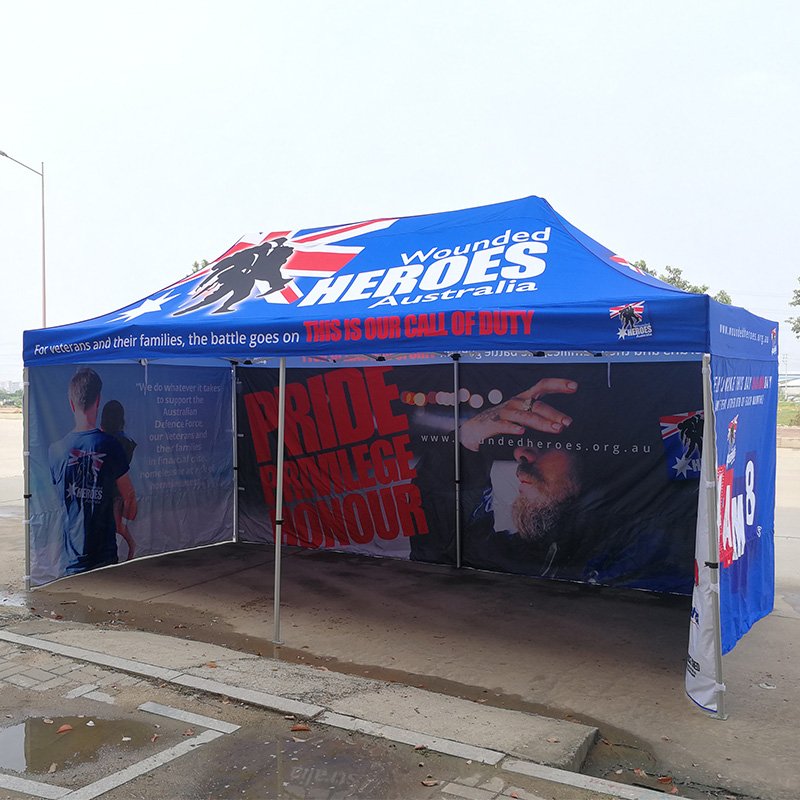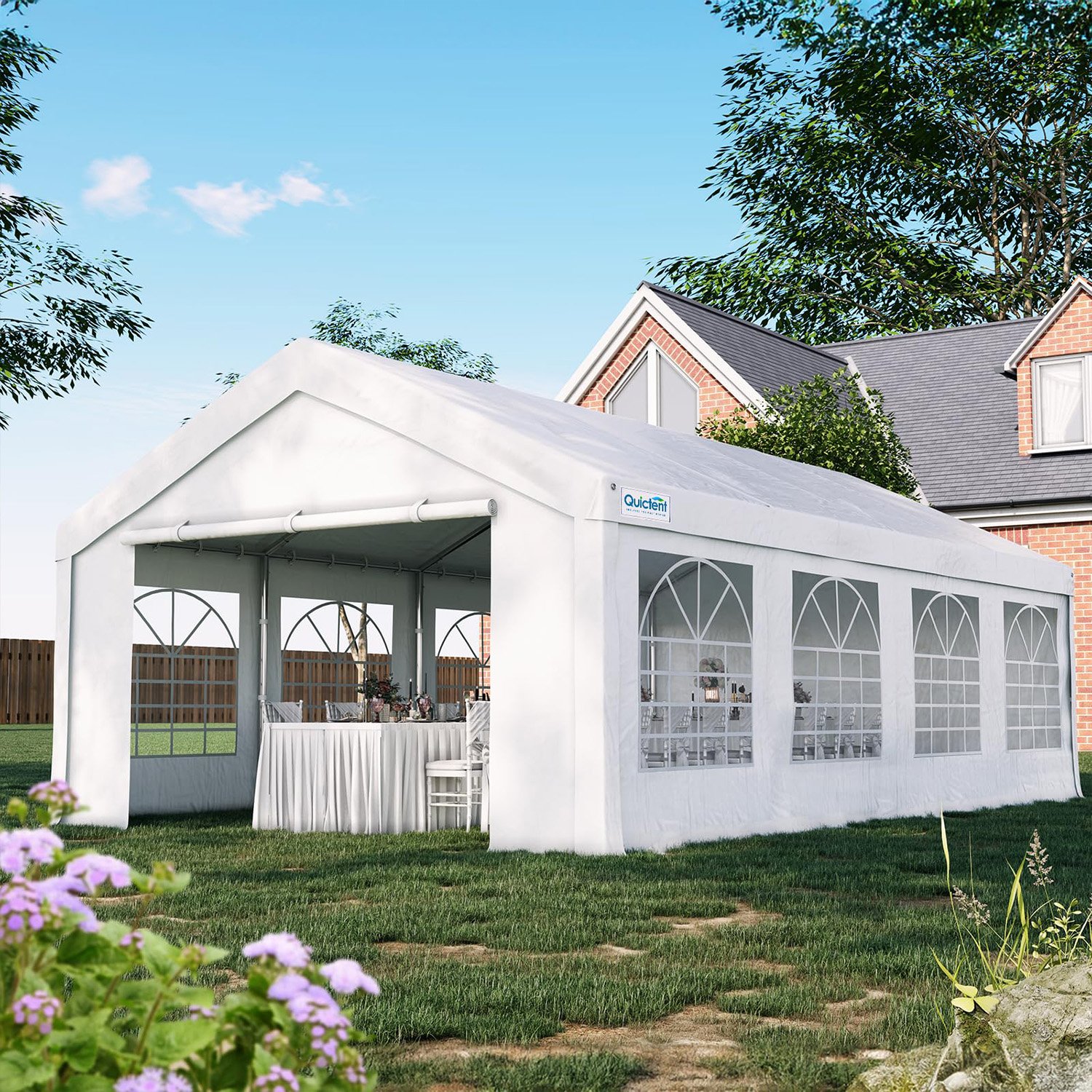


Почему пожарная безопасность купольных шатров стала критически важным вопросом для организаторов мероприятий?
A купольная палатка стала одной из самых быстрорастущих наружных конструкций для проведения коммерческих мероприятий, выставок, фестивалей, проектов в сфере гостеприимства и продвижения брендов.
Благодаря своему футуристическому внешнему виду и большому открытому внутреннему пространству, купольная палатка предоставляет отличные возможности для:
- Корпоративные мероприятия
- Выставки под открытым небом
- Роскошные глэмпинг-курорты
- Музыкальные фестивали
- Запуск новых продуктов
- Временные рестораны
- VIP-зоны для приема гостей
Однако по мере того, как купольные палатки становятся все больше и совершеннее, один вопрос приобретает все большее значение:
“Требуется ли для большой купольной палатки другая сертификация пожарной безопасности по сравнению с небольшой палаткой-навесом размером 10×10 футов?”
Краткий ответ:
Да, часто так и бывает.
Палатка-навес размером 10×10 футов и купольная палатка площадью более 500 квадратных футов могут быть классифицированы как временные сооружения, но их следующие характеристики:
- Вместимость
- Площадь поверхности
- Назначение
- Продолжительность установки
- уровень пожарной опасности
Может быть совершенно по-другому.
Многие организаторы мероприятий допускают распространенную ошибку:
Они сосредотачиваются на внешнем виде, размере и брендинге купольной палатки, но недооценивают правила пожарной безопасности до тех пор, пока местный пожарный инспектор не запросит необходимые документы.
Как профессионал производитель купольных палаток, Компания Dtent понимает, что пожарная безопасность — это не дополнительная опция. Ее необходимо учитывать при:
- Выбор материалов
- производство тканей
- Процесс печати
- Проектирование конструкции
- Планирование монтажа
Обладая более чем 10-летним опытом в производстве палаток на заказ и производственным комплексом площадью 6000 м², компания Dtent предлагает индивидуальные решения для купольных палаток для международных клиентов, учитывая при этом стандарты безопасности, необходимые для различных рынков.
В этой статье объясняется:
- Почему требования к пожарной безопасности купольных палаток различаются?
- Какие сертификаты обычно требуются?
- Как подготовить документы, принимаемые пожарными службами.
- Как профессиональные фабрики по производству купольных палаток обеспечивают соблюдение противопожарных норм

Почему к большим купольным палаткам предъявляются иные требования пожарной безопасности, чем к навесам размером 10x10 футов?
Многие покупатели предполагают:
“Палатка есть палатка. Почему же правила пожарной безопасности должны отличаться?”
В действительности, при разработке нормативных документов обычно учитывается уровень риска, связанный с данной конструкцией.
К важным факторам относятся:
- Заполняемость
- Размер
- Общедоступный доступ
- Период установки
- Расположение
- Местные правила
Небольшая палатка-навес 10x10: проще в изготовлении
Типичная палатка-навес размером 10×10 футов имеет следующие характеристики:
- Примерно 100 кв. футов
- Используется временно
- Открытый с нескольких сторон
- Предназначен для небольших собраний.
Типичные области применения:
- Открытые рынки
- Небольшие рекламные акции
- Стендовые экспозиции
Из-за своих ограниченных размеров и открытой структуры во многих юрисдикциях применяются более простые требования.
Однако для обеспечения пожарной безопасности могут по-прежнему потребоваться:
- Огнестойкая ткань
- Надлежащая сертификация
- Безопасное размещение
Большие купольные палатки: повышенные требования пожарной безопасности.
Площадью 500 квадратных футов или более. купольная палатка создает другую ситуацию.
Большой купол может включать в себя:
- Закрытые стены
- Сотни посетителей
- Электрические системы
- Осветительное оборудование
- Мебель
- Украшения
- Системы отопления или охлаждения
Конструкция начинает функционировать скорее как временное здание.
Власти могут потребовать:
- Сертификация огнестойкости
- Разрешение на заселение
- Аварийные выходы
- Противопожарное оборудование
- Проверка местными чиновниками.
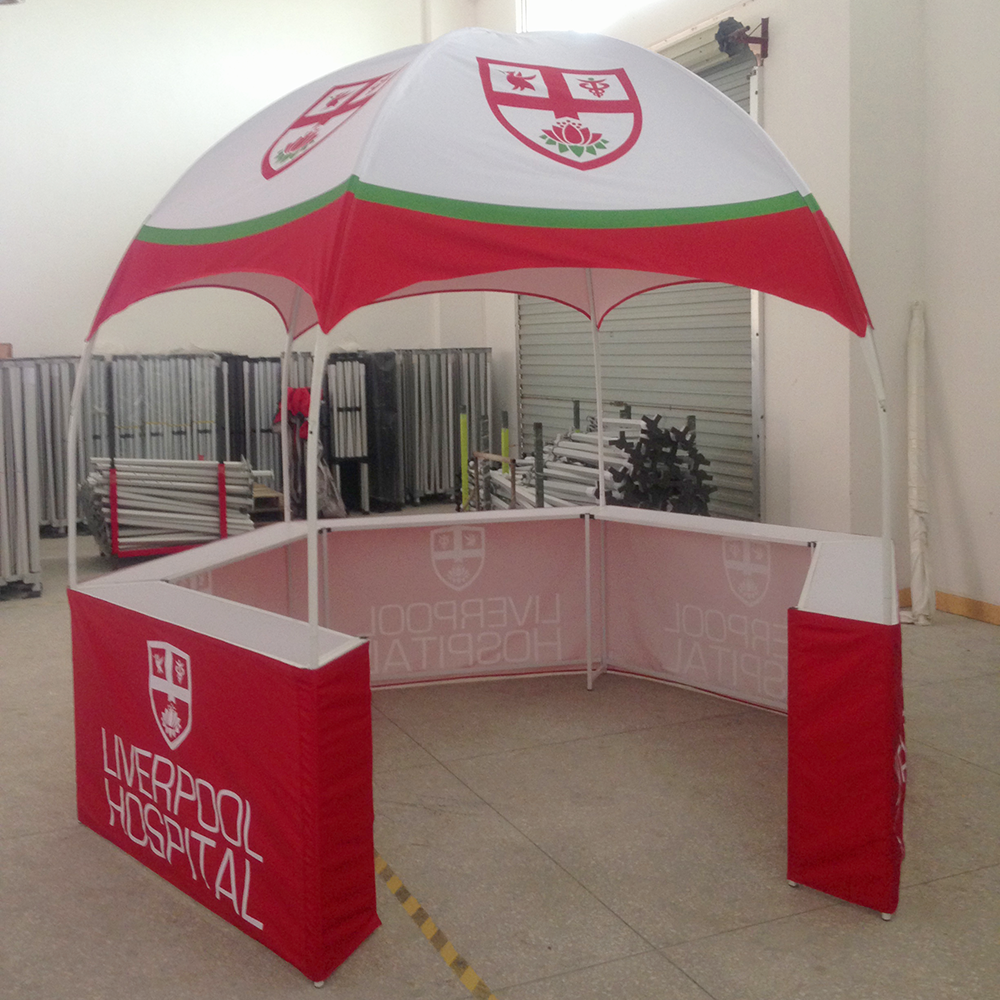


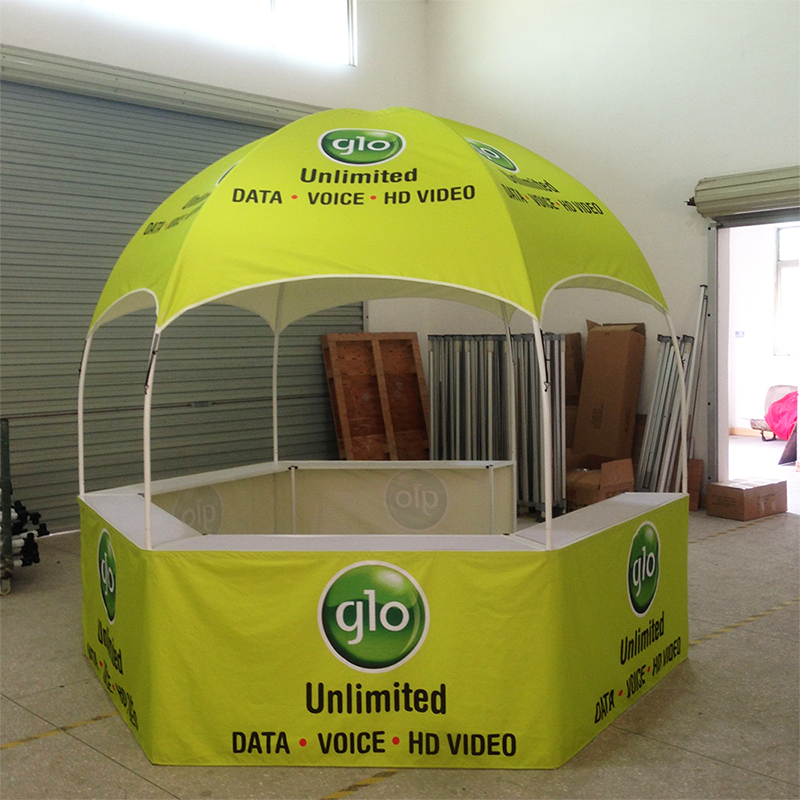
Самый важный вопрос пожарной безопасности: считается ли купольный шатер эксплуатируемым сооружением?
Это один из первых вопросов, который обдумывает начальник пожарной охраны.
Купольная палатка, используемая только в следующих целях:
- Рекламный стенд
- Пустая выставочная конструкция
могут быть разные требования.
Однако, если люди заходят внутрь и остаются там в течение:
- Презентации
- Ресторан
- Развлечение
- Встречи
- Гостеприимство
Требования становятся все строже.
Понимание огнестойких материалов для купольных палаток
Первой линией противопожарной защиты является мембранный материал.
Профессионал производитель купольных палаток Необходимо понимать, что не все ткани для палаток одинаковы.
К распространенным материалам для купольных палаток относятся:
- Полиэстер с ПВХ-покрытием
- Полиэстер с полиуретановым покрытием
- Оксфордская ткань
- Прозрачная ПВХ мембрана
Каждый материал обладает разными огнестойкими свойствами.
Полиэстер с ПВХ-покрытием для применения в купольных палатках.
Полиэстер с ПВХ-покрытием широко используется, поскольку он обеспечивает:
- Водонепроницаемость
- Долговечность
- Устойчивость к УФ-излучению
- Легко чистится
Однако стандартная ПВХ-ткань не обязательно является огнестойкой.
Производители должны указать:
- Огнестойкий класс
- Стандарт сертификации
- Отчет об испытаниях
Материалы для прозрачных купольных палаток и пожарная безопасность
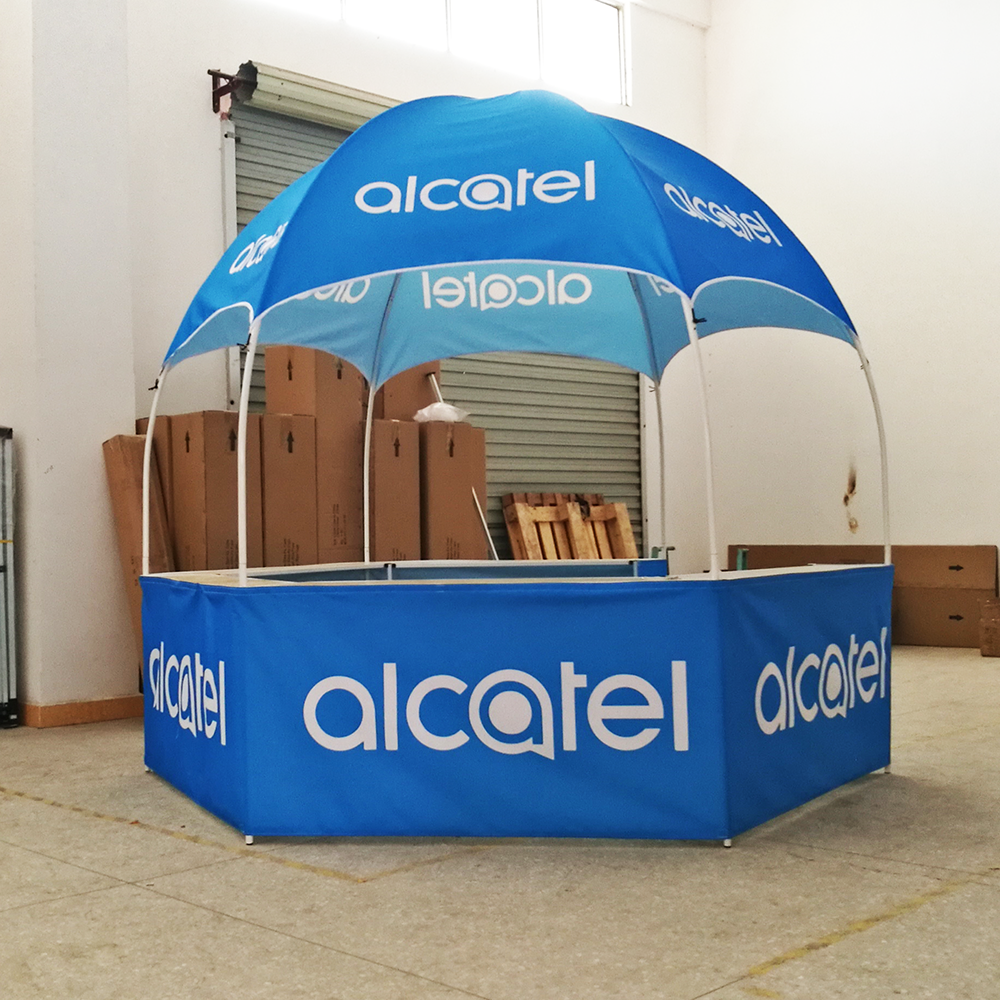
Многие современные купольные палатки имеют прозрачные секции.
Это создает дополнительные проблемы.
Прозрачные материалы должны обеспечивать баланс:
- Видимость
- Устойчивость к УФ-излучению
- Устойчивость к погодным условиям
- Огненное представление
Дешевый прозрачный ПВХ-материал может не соответствовать требованиям для проведения коммерческих мероприятий.
Какие противопожарные сертификаты обычно требуются для проектов с использованием купольных тентов?
Требования зависят от местоположения.
В разных странах и регионах могут быть признаны разные стандарты.
К числу распространенных сертификатов относятся:
Стандарты NFPA в Соединенных Штатах
Многие пожарные службы США ссылаются на стандарты следующих организаций:
Национальная ассоциация противопожарной защиты
К числу общих соображений относятся:
- Распространение пламени
- Характеристики материала палатки
- Безопасность на рабочем месте
Стандарт CPAI-84 на огнестойкие ткани
Один из наиболее часто запрашиваемых стандартов для тканей для палаток:
CPAI-84
Он оценивает огнестойкость тканей, используемых на открытом воздухе.
Многие покупатели коммерческих палаток запрашивают:
- протоколы испытаний CPAI-84
- Заявления производителя
- Сертификаты на ткани
Одобрение Государственного пожарного инспектора Калифорнии (CSFM).
В некоторых регионах США, особенно в Калифорнии, для установки шатров на мероприятиях может потребоваться разрешение, выданное:
Управление государственного пожарного инспектора
Сертификат, действующий в одном регионе, не обязательно будет действителен в другом.
Европейские противопожарные стандарты
В европейских проектах могут потребоваться такие стандарты, как:
- Классификация пожарной безопасности EN 13501
- Правила проведения местных мероприятий
Почему некоторые сертификаты отклоняются пожарными инспекторами
Распространенная проблема:
“Поставщик предоставил сертификат, но пожарный инспектор его отклонил”.”
Почему?
Потому что не все документы одинаковы.
Проблема 1: Неправильный сертификат на материалы.
Сертификат может применяться только к:
- Необработанная ткань
- Конкретный поставщик
- определённая толщина
Однако в доставленной купольной палатке могут использоваться следующие элементы:
- Разная ткань
- Различное покрытие
- Другой поставщик
Власти могут усомниться в том, соответствует ли сертификат реальному продукту.
Проблема 2: Отсутствует информация о производителе.
В профессиональном сертификате должно быть четко указано:
- Производитель
- Технические характеристики материалов
- Стандарт тестирования
- Дата тестирования
- Информация о лаборатории
Проблема 3: Сертификат не соответствует местным требованиям.
Европейский сертификат может не удовлетворить требования американского пожарного инспектора.
Китайский протокол испытаний может не удовлетворить требования местных властей.
Правильный вопрос не в этом случае:
“У вас есть сертификат?”
Правильный вопрос:
“Признается ли этот сертификат местными органами власти?”
Как подготовить комплект документов по пожарной безопасности для купольной палатки
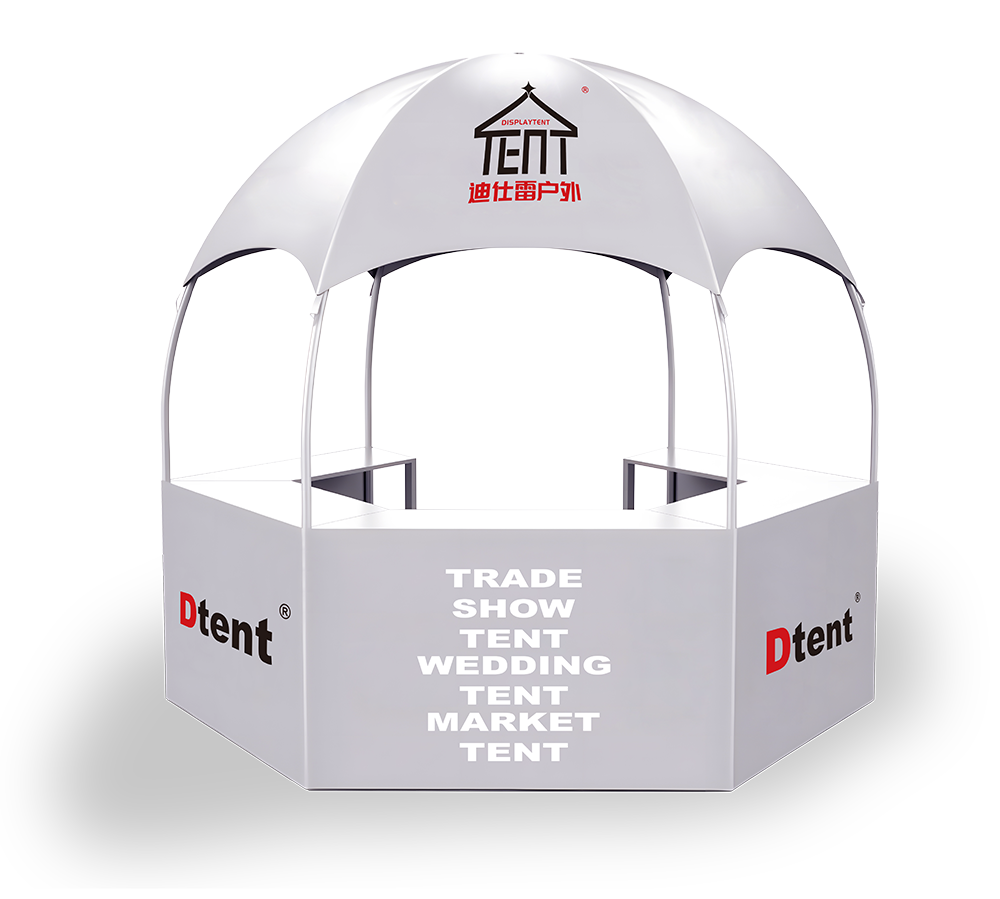
Профессионал завод по производству купольных палаток должно помочь клиентам подготовить документацию.
Типичный пакет включает в себя:
1. Сертификат огнестойкости ткани
Включая:
- Тип ткани
- Производитель
- Стандарт тестирования
- Результаты
2. Техническая спецификация изделия
Включая:
- Размер купола
- Детали материала
- Информация о структуре
3. Монтажный чертеж
Пожарные службы могут потребовать:
- План этажа
- Места выхода
- Схема структуры
4. Информация о проживании
Включая:
- Максимальная вместимость
- Назначение
5. План обеспечения безопасности с помощью средств индивидуальной защиты
В зависимости от проекта:
- Огнетушители
- Аварийные выходы
- Системы освещения
Как конструкция купольного тента влияет на пожарную безопасность
Пожарная безопасность – это не только безопасность материалов.
Важен весь дизайн в целом.
Конструкция аварийного выхода
При выборе больших купольных палаток следует учитывать следующее:
- Выходное количество
- Ширина выхода
- Выход из зоны видимости
Профессиональный производитель проектирует точки доступа в соответствии с требованиями к их использованию.
Вопросы вентиляции
В купольной палатке может накапливаться:
- Нагревать
- Дым
- Влажность
Надлежащая вентиляция улучшает:
- Комфорт
- Безопасность
Безопасность электромонтажных работ
К многочисленным купольным палаткам относятся:
- светодиодное освещение
- Экраны
- Звуковые системы
- Кондиционер
Для снижения риска возгорания электросистемы следует устанавливать с особой тщательностью.
Почему важно выбрать правильного производителя купольных палаток
Поставщик с низкими ценами может сосредоточиться только на:
- Толщина ткани
- Размер рамки
- Цена
Профессионал производитель купольных палаток рассматривает полный жизненный цикл:
- Дизайн
- Производство
- Установка
- Согласие
- Обслуживание
Вопросы, которые покупатели должны задать фабрике по производству купольных палаток.
Перед покупкой задайте следующие вопросы:
Можете ли вы предоставить сертификат пожарной безопасности для используемой ткани?
Это не типовой документ.
Устанавливался ли подобный купольный шатер для проведения аналогичных общественных мероприятий?
Опыт имеет значение.
Можете ли вы предоставить техническую документацию для начальника пожарной охраны?
Профессиональный поставщик должен понимать этот процесс.
Вы можете адаптировать материалы под местные нормы и правила?
Разные рынки требуют разных решений.

Как компания Dtent подходит к обеспечению пожарной безопасности купольных палаток
Как профессионал завод по производству купольных палаток, Компания Dtent понимает, что коммерческие проекты по установке палаток требуют как внешнего вида, так и соответствия нормативным требованиям.
Наш процесс включает в себя:
Выбор материалов
Мы помогаем клиентам сделать подходящий выбор:
- ткани с ПВХ-покрытием
- Прозрачные мембраны
- Огнестойкие материалы
Разработка по индивидуальному заказу
Каждый проект оценивается по следующим критериям:
- Размер
- Приложение
- Расположение
- Продолжительность установки
Поддержка документации
Мы помогаем клиентам в следующем:
- Технические характеристики материалов
- Техническая информация
- Производственная документация
Опыт работы с OEM-производителями для международных брендов
С:
- Более 10 лет опыта в производстве палаток на заказ.
- Производственная мощность завода составляет 6000 м².
- Глобальный опыт производства OEM-продукции.
Компания Dtent предлагает профессиональные решения для:
- Купольные шатры для мероприятий
- Выставочные купола
- Коммерческие купольные конструкции
- Проекты наружной рекламы
Распространенные ошибки при покупке купольной палатки
Выбор самой дешевой ткани
Снижение стоимости материалов может привести к следующим результатам:
- Проблемы с соблюдением нормативных требований
- Более короткий срок жизни
- Вопросы безопасности
Ожидание завершения монтажа для проверки требований пожарной безопасности.
Перед началом производства необходимо получить разрешение на противопожарную безопасность.
Предполагается, что “огнестойкий” означает сертифицированный.
Маркетинговая терминология отличается от официальной документации.
Тенденции в области пожарной безопасности купольных палаток в будущем
Отрасль движется в направлении:
Высокоэффективные огнестойкие ткани
Новые материалы обеспечивают:
- Повышенная безопасность
- Повышенная прочность
- Улучшенный внешний вид
Документация по цифровому соответствию требованиям
Производители все чаще предоставляют:
- Цифровые сертификаты
- Отслеживаемые материальные записи
Интегрированная система безопасности
В будущем купольные палатки будут сочетать в себе следующие элементы:
- Строительная инженерия
- Противопожарная защита
- Энергоэффективность
Как убедиться, что ваша купольная палатка пройдет противопожарную проверку
большой купольная палатка Это не просто увеличенная версия небольшой палатки-навеса.
Когда площадь здания достигает сотен квадратных футов и оно используется общественностью, пожарная безопасность становится важнейшим инженерным требованием.
Успешное одобрение зависит от:
- Правильные огнестойкие материалы
- Действующие сертификаты
- Надлежащая документация
- Профессиональная установка
- Общение с местными властями
При выборе производитель купольных палаток или завод по производству купольных палаток, Покупателям следует обращать внимание не только на внешний вид и цену.
Надежный поставщик должен понимать:
- Сертификация материалов
- стандарты пожарной безопасности
- Требования к установке
- Проблемы соблюдения местных норм
Профессионально спроектированный купольный шатер должен не только создавать впечатляющее пространство для мероприятий, но и обеспечивать безопасную среду для каждого посетителя.
Вы торговая компания или производитель?
Мы — производитель, специализирующийся на складных шатрах, уличных зонтах, пляжных флагах и рекламных баннерах.
Можете ли вы разработать дизайн на основе моих идей или эскизов?
Да, у нас есть опытные дизайнеры и собственный завод по производству пресс-форм. Мы можем разработать дизайн или изготовить пресс-форму в соответствии с вашими требованиями по конкурентной цене.
Сколько времени занимает изготовление образца?
Образец будет готов в течение 5–7 дней, в зависимости от ваших требований к печати и материалам.
В чем ваше преимущество?
Выгодная цена; экономия времени: мы гарантируем выполнение оптового заказа в течение 30 дней; качественное обслуживание: наши менеджеры обязуются ответить на ваш запрос в течение 12 часов. Контакты. WhatsApp 86 180 3827 3926