
Dernière mise à jour le 14/12/2025 par dtent.net
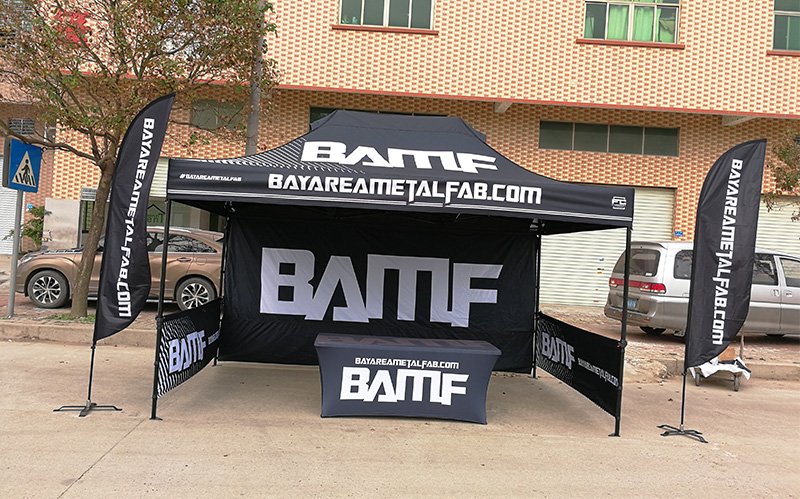
Understanding Your Brand and Event Requirements
Assessing Brand Identity
- Review Your Brand Guidelines: If you have a brand style guide, refer to it for specific details on how your brand should be represented visually. This includes the use of colors, fonts, and imagery.
- Identify Key Messages: Determine the core messages you want to convey through your tent. Are you promoting a new product, celebrating a milestone, or showcasing your brand’s unique selling points? Clarifying these messages will help in designing the tent’s messaging and layout.
- Consider Your Target Audience: Think about who will be attending the event and how they interact with your brand. Tailoring the tent’s design to appeal to your target audience will enhance its effectiveness in engaging them.
Evaluating Event-Specific Needs
- Event Type and Duration: Is it a one-day trade show, a multi-day outdoor festival, or a long-term outdoor exhibition? The duration will affect the tent’s size, durability, and setup requirements.
- Venue and Space Constraints: Measure the available space at the event venue. This will determine the dimensions of the tent and its layout. Additionally, consider any restrictions imposed by the venue, such as height limitations or prohibited materials.
- Weather Conditions: If the event is outdoors, you need to account for potential weather conditions. A tent that can withstand wind, rain, and sun exposure will be essential for protecting your brand assets and ensuring a comfortable environment for visitors.
Choosing the Right Tent Structure
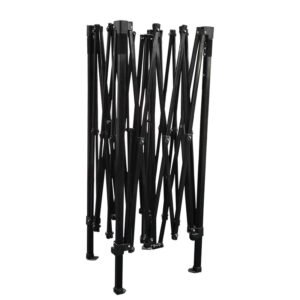
Frame Tents
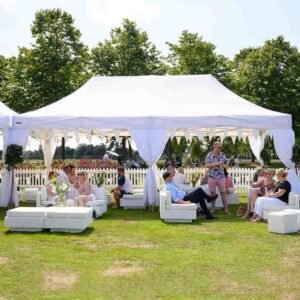
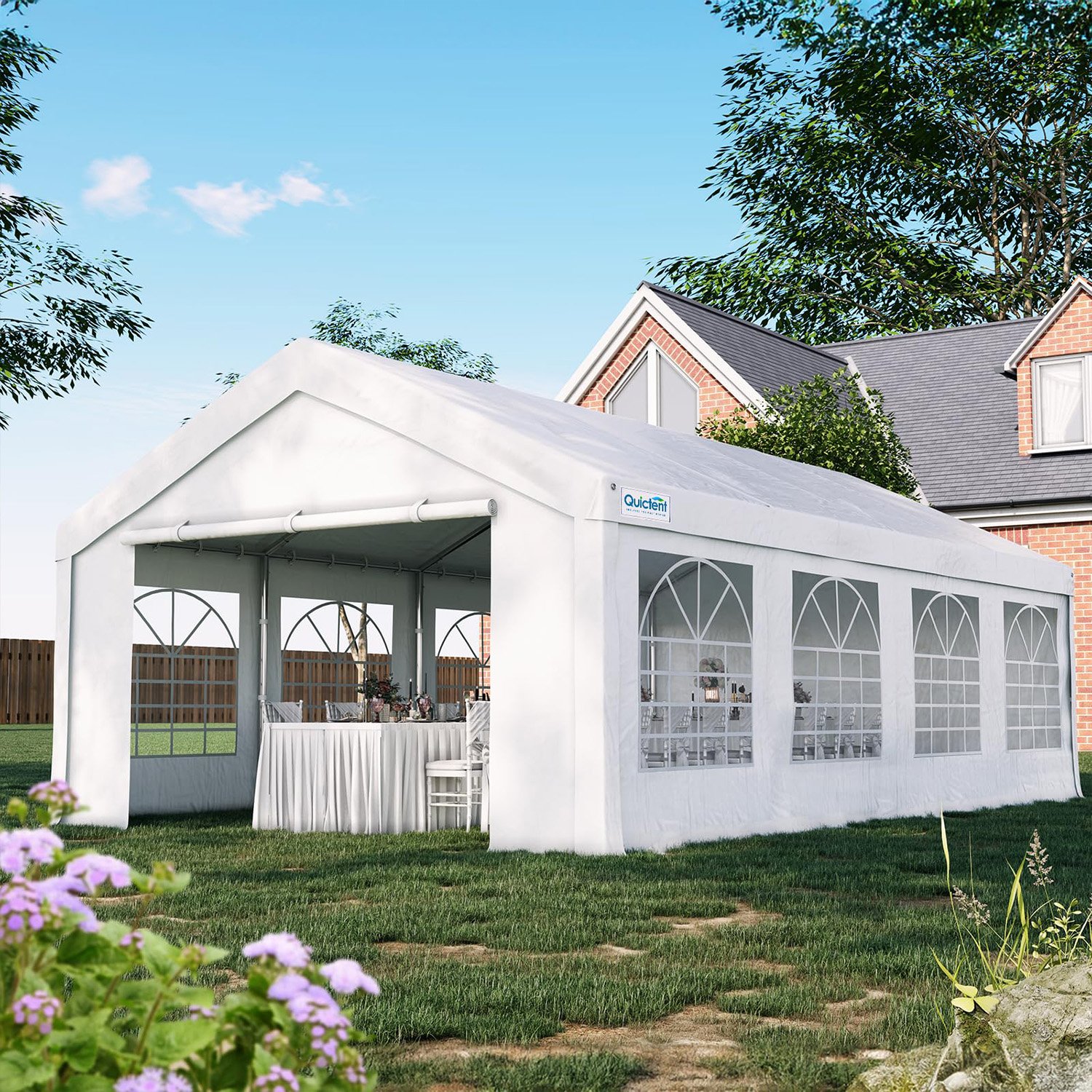
- Customizable Size and Shape: Frame tents can be designed in various sizes and shapes to fit your specific space requirements. You can choose from rectangular, square, or even custom-shaped tents to match your event layout.
- Stability and Durability: The rigid frame provides excellent stability, making it suitable for outdoor events with varying weather conditions. High-quality frame tents can withstand strong winds and heavy rain, ensuring the safety of your brand assets and visitors.
- Ease of Setup and Take-Down: Frame tents are relatively easy to assemble and disassemble, which is a significant advantage for events with tight schedules. Most frame tents come with modular components that can be quickly put together by a small team.
Pop-Up Tents
- Portabilité: Pop-up tents are lightweight and easy to transport. They usually come in compact carrying cases, making them convenient for events that require frequent relocation.
- Quick Setup: As the name suggests, pop-up tents can be set up in a matter of minutes. This is particularly useful for short-term events or when you need to assemble the tent quickly.
- Limited Customization: While pop-up tents can be customized to some extent, their design and size options are generally more limited compared to frame tents. They are best suited for simpler branding needs.
Geodesic Tents
- Aesthetic Appeal: The distinctive shape of geodesic tents can make a bold statement and attract attention at your event. This can be particularly effective if you want to create a memorable and unique brand experience.
- Strength and Stability: The geodesic structure distributes weight evenly, making it highly resistant to strong winds and heavy snow loads. This makes it an excellent choice for outdoor events in various weather conditions.
- Options de personnalisation: Geodesic tents can be customized with different sizes, colors, and branding elements. However, the customization process may be more complex compared to traditional frame tents.
Selecting the Ideal Tent Fabric
PVC Fabric
- Waterproof and UV Resistant: PVC fabric is highly waterproof, ensuring that your brand assets and visitors remain dry in case of rain. It also offers excellent UV resistance, protecting the fabric from fading and degradation caused by prolonged sun exposure.
- Durabilité: PVC fabric is strong and tear-resistant, making it suitable for outdoor events with varying weather conditions. It can withstand heavy use and is easy to clean and maintain.
- Custom Printing Options: PVC fabric allows for high-quality custom printing, enabling you to incorporate your brand’s logos, graphics, and messaging seamlessly into the tent’s design.
Canvas Fabric
- Breathability: Canvas fabric is breathable, which can help regulate the temperature inside the tent. This is particularly beneficial for events in warmer climates or during the summer months.
- Aesthetic Appeal: Canvas tents have a natural and elegant look that can enhance the overall ambiance of your event. They are often used for luxury events, weddings, and outdoor exhibitions with a vintage or rustic theme.
- Maintenance: Canvas fabric requires more maintenance compared to PVC fabric. It is not as waterproof and may need to be treated with waterproofing agents periodically. Additionally, it is more prone to staining and requires careful cleaning.
Mesh Fabric
- Ventilation: Mesh fabric allows for excellent airflow, keeping the interior of the tent cool and comfortable. This can be particularly important for events that attract large crowds or are held in warmer weather.
- Léger: Mesh fabric is lightweight, making it easier to transport and set up. This can be a significant advantage for events that require frequent relocation or have limited setup time.
- Personnalisation: Mesh fabric can be customized with branding elements such as logos and graphics. However, the printing process may be more challenging compared to PVC or canvas fabric.


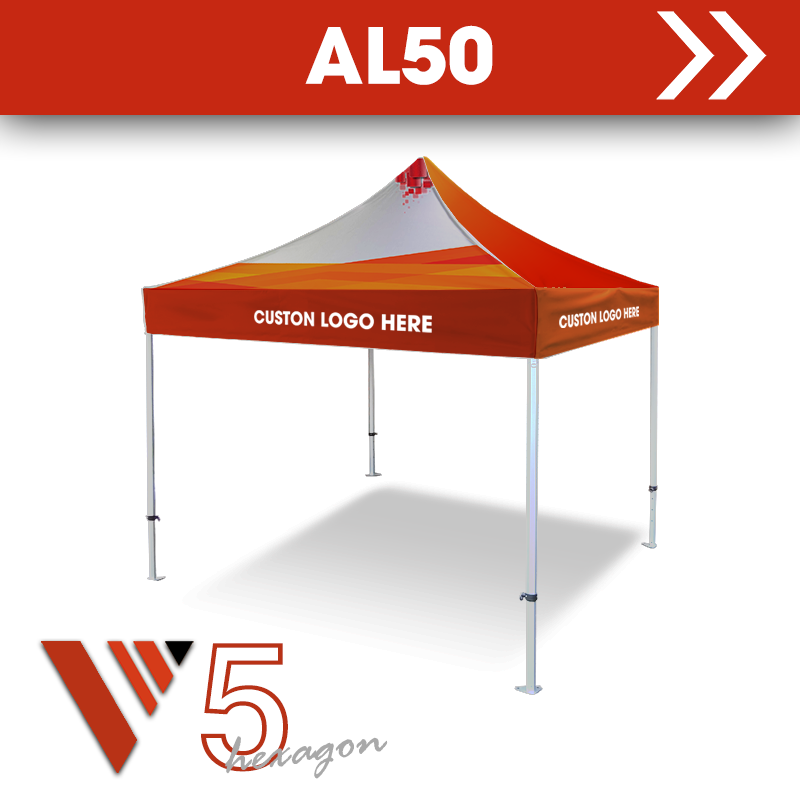
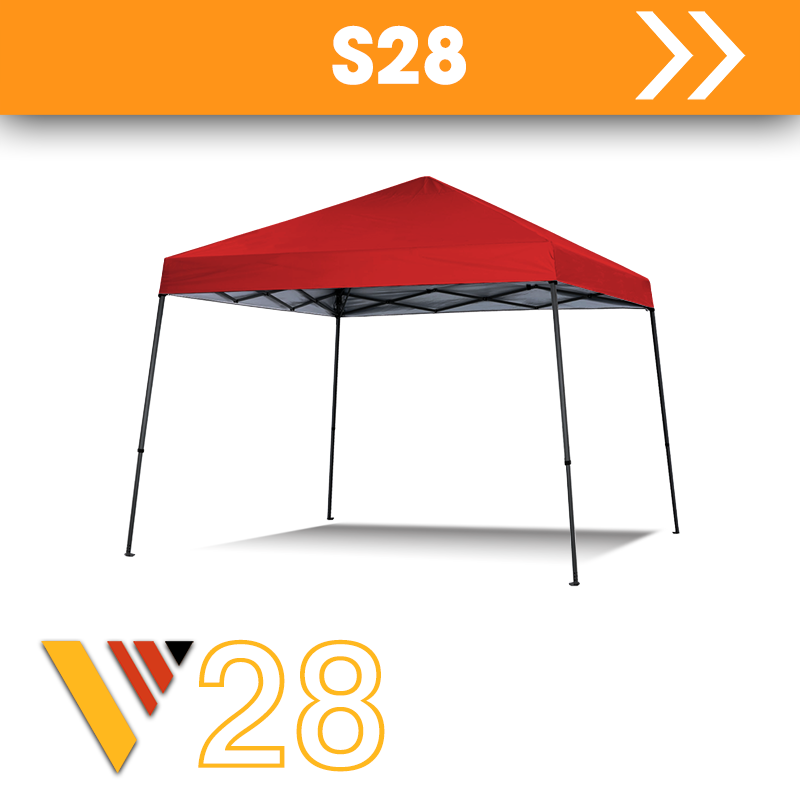
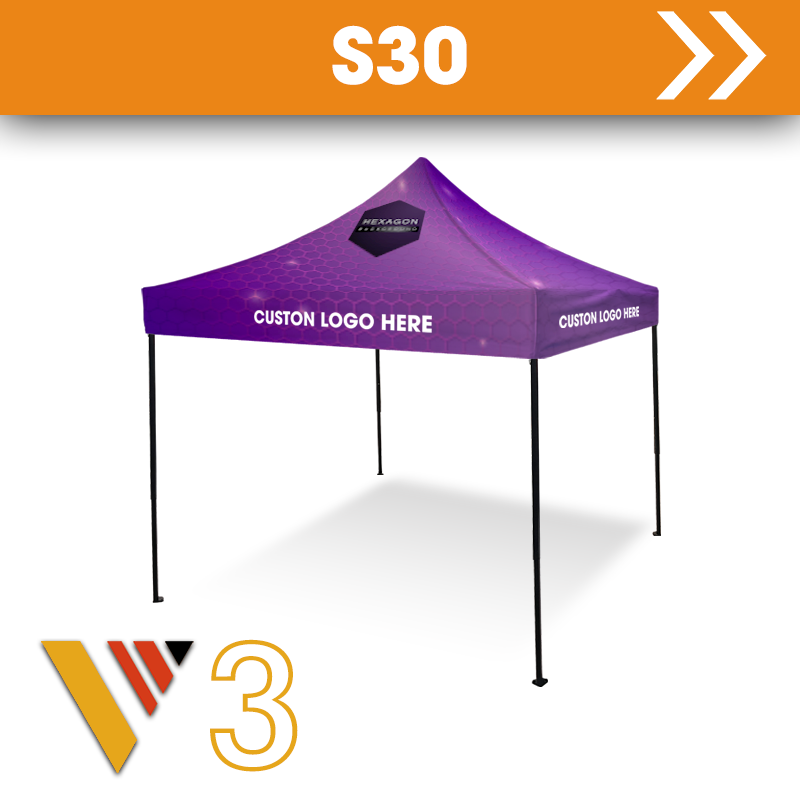


Designing the Tent's Visual Elements
Logo Placement and Size
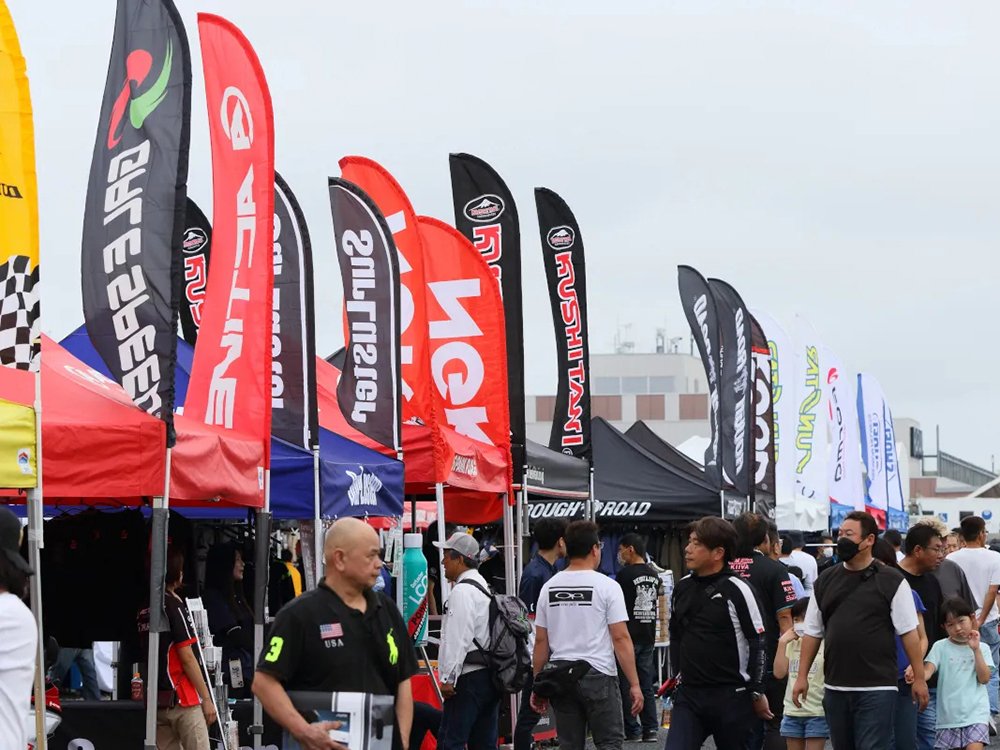
- Prominent Locations: Place your logo on the front or center of the tent, where it can be easily seen by passersby. You can also consider placing it on the sides or back of the tent, depending on the event layout and viewing angles.
- Appropriate Size: Ensure that your logo is large enough to be easily recognizable from a distance but not so large that it overwhelms the overall design. The size should be proportionate to the tent’s dimensions and other branding elements.
- Consistency: Use the same logo version that is consistent with your brand guidelines. This includes the correct color scheme, font, and layout. Consistency in logo usage helps reinforce brand identity and avoids confusion.
Graphic Design and Imagery
- Relevance: Choose graphics and images that are relevant to your brand and the event. They should support your key messages and create a cohesive visual story. For example, if you are promoting a new product, use high-quality images of the product in use.
- High Resolution: Ensure that all graphics and images are of high resolution to maintain clarity and quality when printed on a large scale. Low-resolution images
Vous êtes une société commerciale ou un fabricant ?
Nous sommes un fabricant spécialisé dans les tentes pliantes, les parapluies d'extérieur, les drapeaux de plage et les bannières publicitaires.
Pouvez-vous réaliser un design à partir de mes idées ou de mes dessins ?
Oui, nous avons des concepteurs expérimentés et notre propre usine de moulage. En fonction de vos besoins, nous pouvons concevoir ou ouvrir des moules à des prix compétitifs.
Combien de temps dure l'échantillonnage ?
Les échantillons seront prêts dans un délai de 5 à 7 jours, en fonction de vos exigences en matière d'impression et de matériaux.
Quel est votre avantage ?
Efficacité des coûts ; prix bas ; Efficacité des délais : nous nous engageons à effectuer les livraisons de masse dans les 30 jours Efficacité des services : nos vendeurs s'engagent à répondre à votre demande dans les 12 heures : Nos vendeurs s'engagent à répondre à votre demande dans les 12 heures. whatsapp 86 180 3827 3926


 English
  French