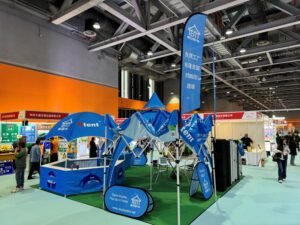
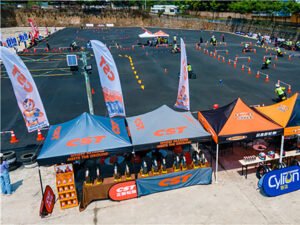
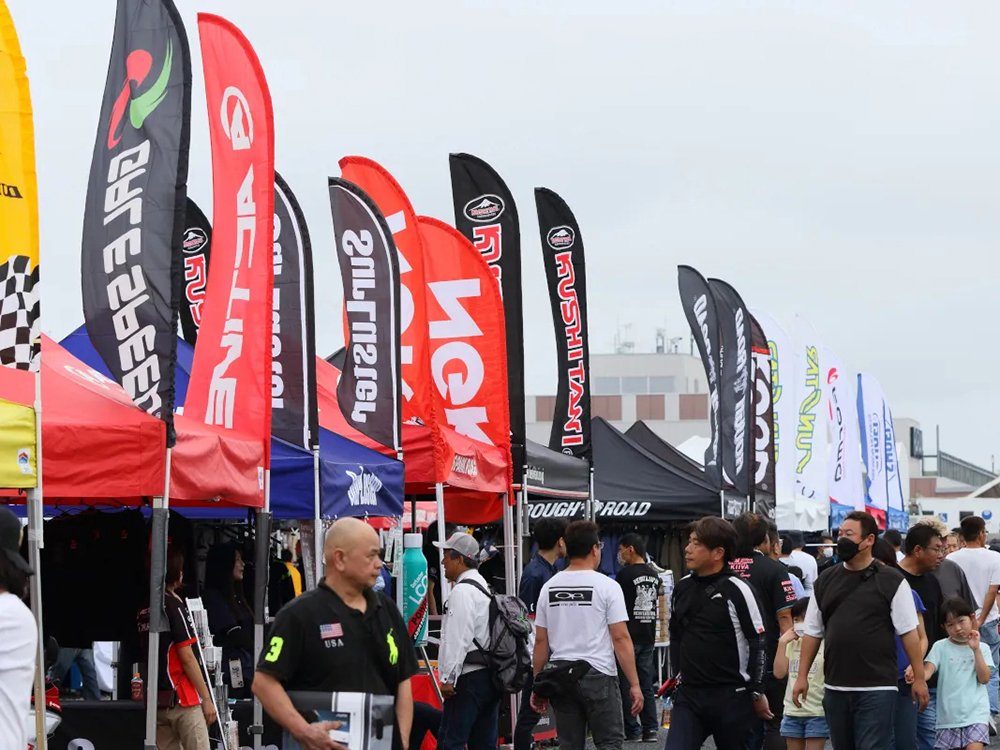
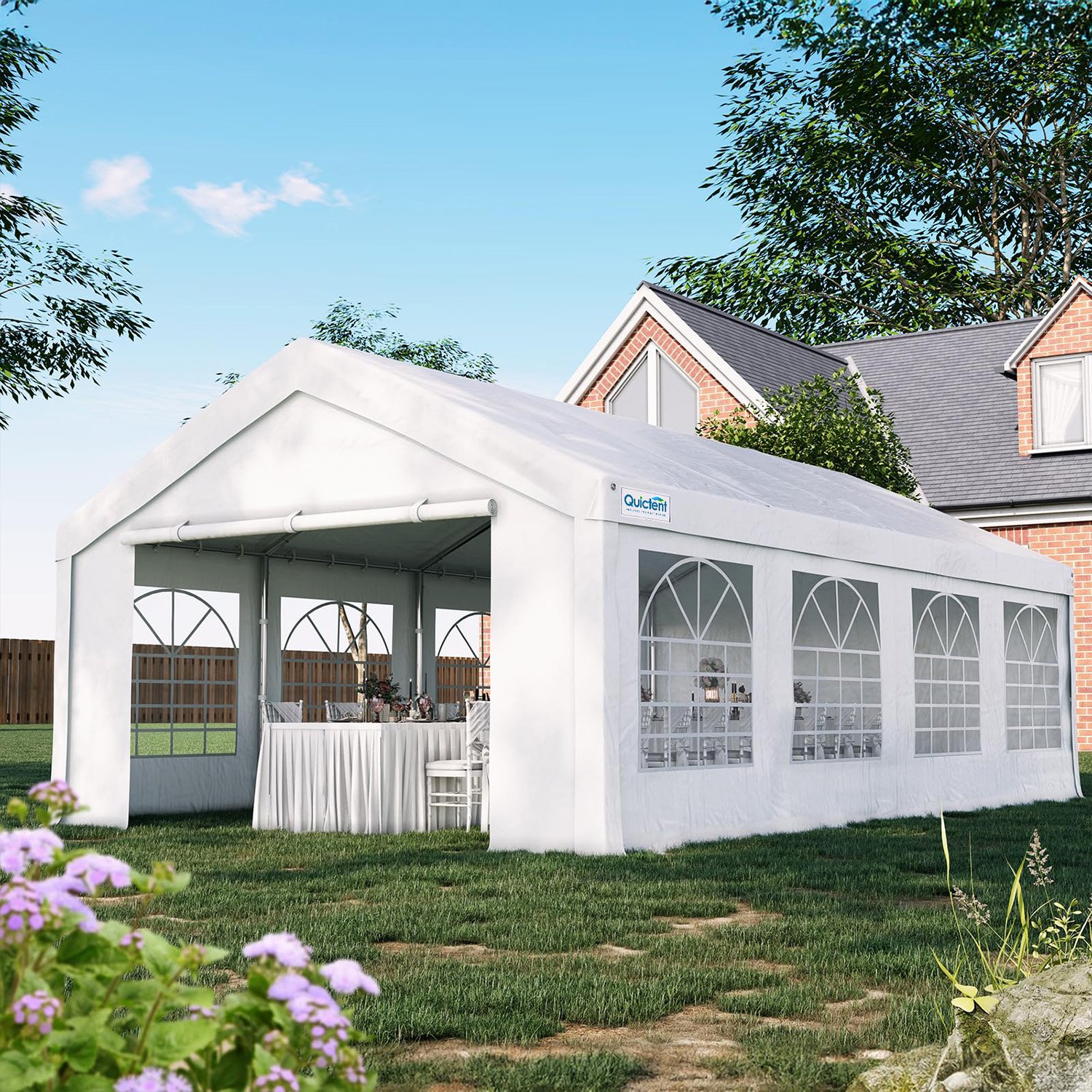
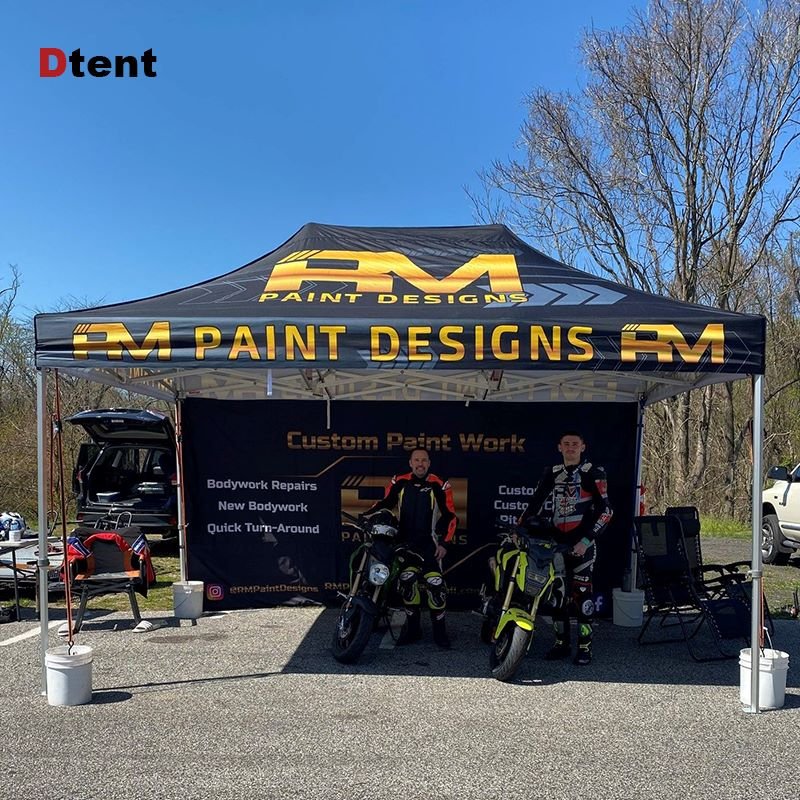
When businesses search for a temporary outdoor structure, two terms appear repeatedly: canopy and tent.
At first glance, a canopy and a tent may look very similar. Both can provide shade, weather protection, temporary covered space, branding opportunities, and portable event infrastructure. Both can also be customized with company logos, colors, graphics, sidewalls, accessories, and different frame configurations.
However, canopy vs tent is not simply a difference in terminology.
From a manufacturing and application perspective, a canopy and a tent can have meaningful differences in structure, enclosure, weather protection, portability, installation, ventilation, branding area, and intended use.
For businesses purchasing commercial event structures, understanding the difference between a canopy and a tent is important because choosing the wrong structure can result in unnecessary transportation costs, insufficient weather protection, limited branding space, or an unsuitable event setup.
Dtent is a professional custom tent manufacturer specializing in commercial tents, event tents, exhibition tents, pop-up canopies, and other customized temporary structures. With more than 10 years of manufacturing experience and a 6,000㎡ production facility, Dtent works with brands to customize tents and canopies according to their designs, logos, applications, sizes, and functional requirements.
This guide explains canopy vs tent from a professional manufacturing perspective and provides a practical framework for choosing the right solution.

1. Canopy vs Tent: What Is the Basic Difference?
The simplest way to understand canopy vs tent is to look at the degree of enclosure.
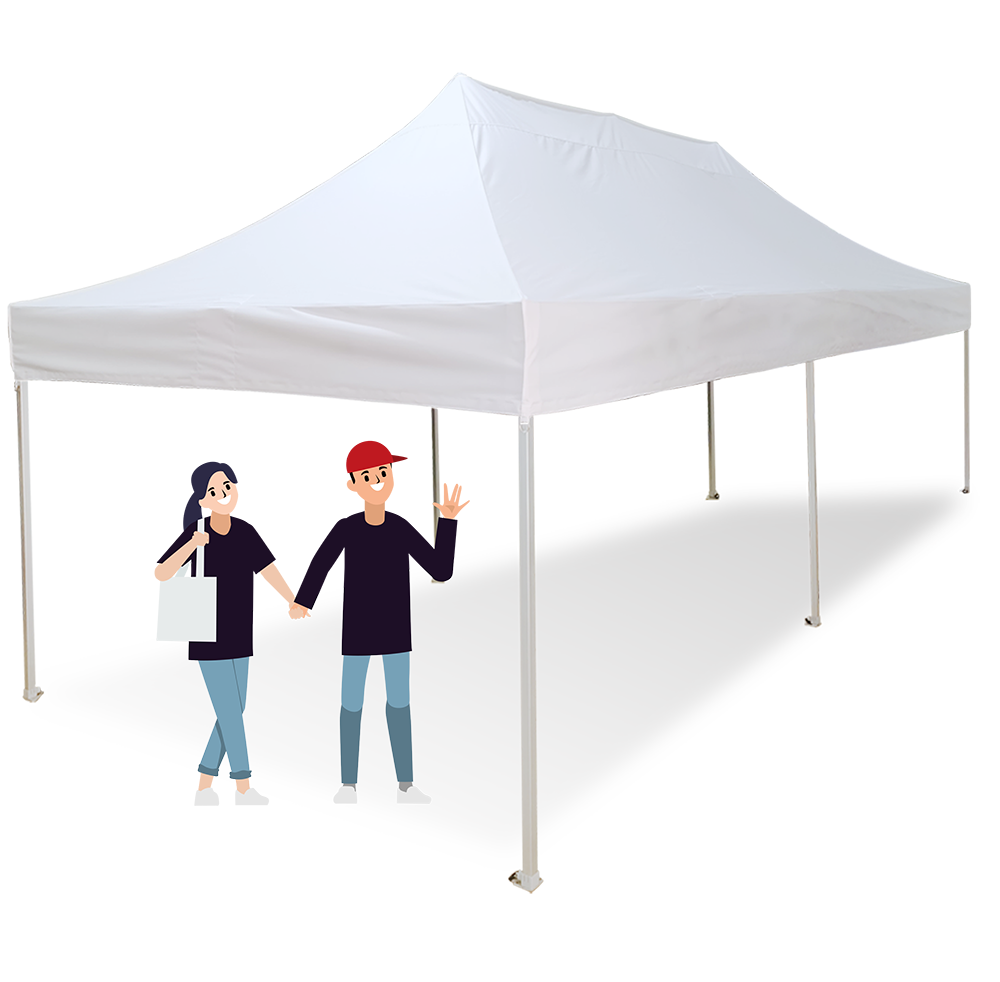
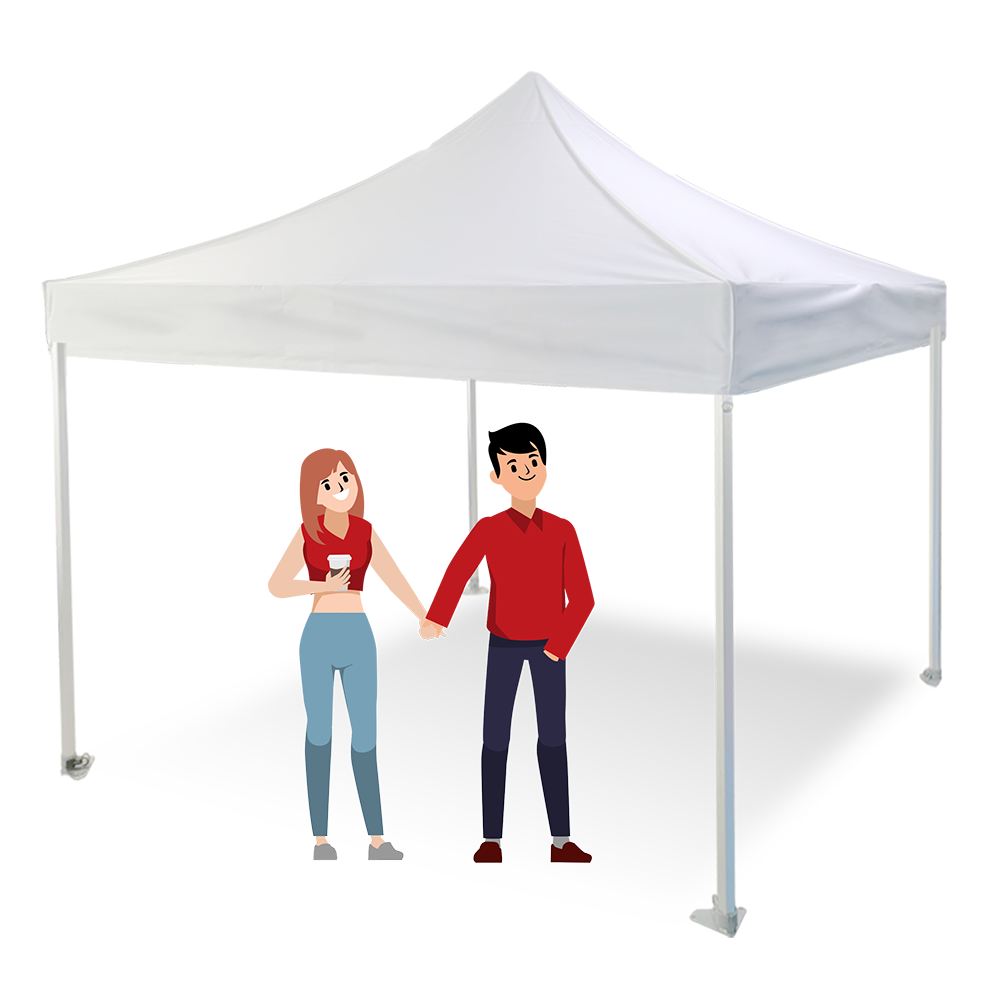
A canopy is generally an open or semi-open covered structure designed primarily to provide shade and basic weather protection. A typical canopy consists of a roof supported by a frame and may have optional sidewalls.
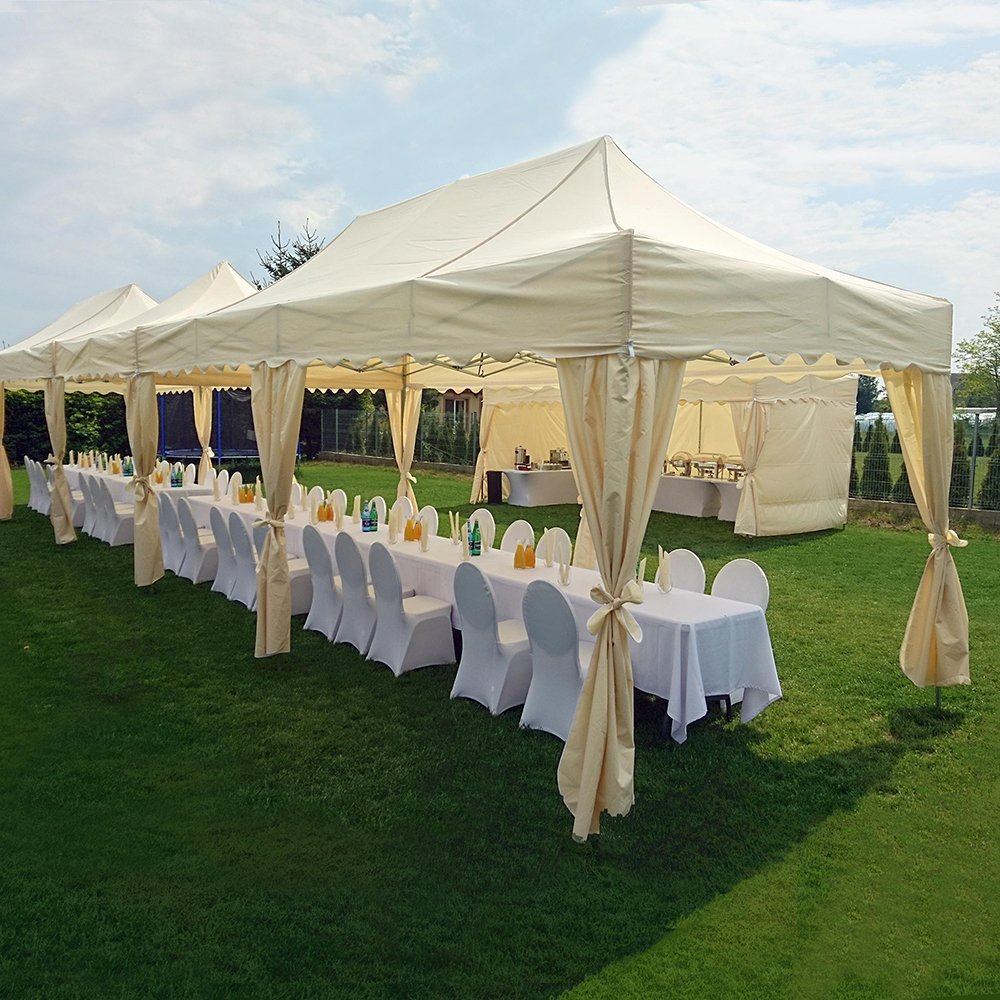
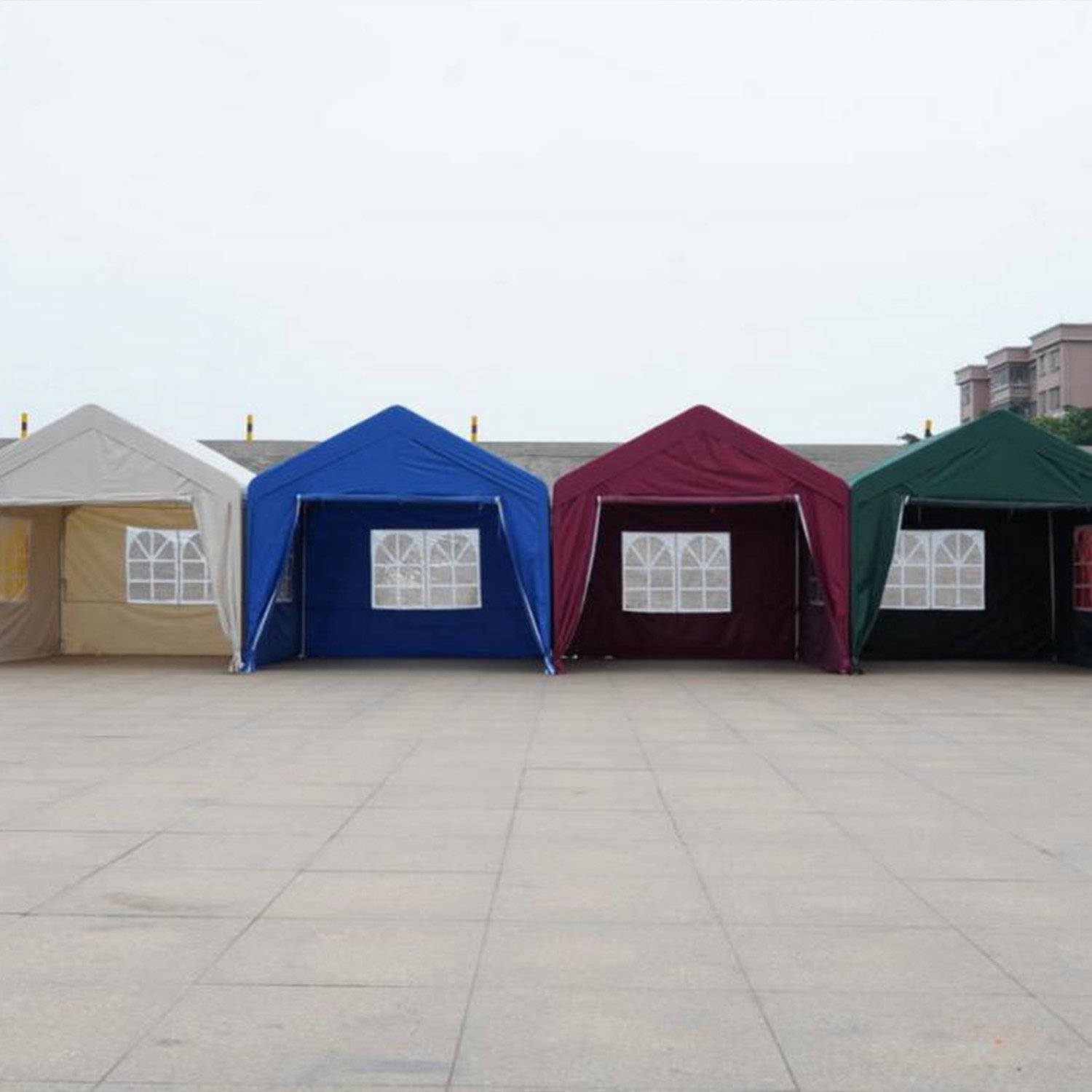
A tent is generally a more enclosed structure designed to create a defined interior space. Depending on the design, a tent may have a roof, sidewalls, doors, windows, flooring, and other enclosure components.
In simple terms:
Canopy = primarily a roofed shelter with an open or optional enclosed design.
Tent = a more complete enclosed or semi-enclosed temporary structure.
However, this distinction is not absolute.
A modern commercial pop-up canopy can be equipped with four sidewalls, doors, windows, and branding. At the same time, some event tents can remain largely open on several sides.
Therefore, the actual difference depends on the specific product design rather than the product name alone.
2. Canopy vs Tent: Structural Differences
From a manufacturing perspective, the frame is one of the most important differences to examine.
A typical canopy may use a relatively simple folding frame, particularly in portable applications.
Common components include:
- Aluminum or steel legs
- Truss bars
- Corner connectors
- Center hubs
- Roof supports
- Sliders
- Locking mechanisms
- Foot plates
A more complex tent may use:
- Larger structural profiles
- Multiple frame sections
- Higher roof structures
- More connection points
- Dedicated sidewall attachment systems
- Door frames
- Window structures
- Larger span components
- Additional anchoring systems
The structural requirements depend heavily on size.
A small 10×10 canopy may use a compact folding frame designed for fast setup.
A large commercial event tent may require a more substantial engineered structure because the roof span, surface area, wind load, and internal occupancy are significantly greater.
Therefore, when comparing canopy vs tent, buyers should compare actual frame specifications rather than simply asking which category is stronger.
3. Canopy vs Tent: Open Space vs Enclosed Space
The degree of enclosure is probably the most visible difference.
A standard canopy typically provides:
- Roof coverage
- Shade
- Basic rain protection
- Open sides
- Optional sidewalls
A tent can provide:
- Roof coverage
- Full sidewalls
- Doors
- Windows
- Defined entrance
- Enclosed interior
- Optional flooring
- Additional accessories
This makes a canopy particularly suitable for activities where visibility and accessibility are important.
For example:
- Farmers markets
- Outdoor sampling
- Sports events
- Small promotional booths
- Open-air retail
- Product demonstrations
A tent is often more suitable when the customer wants a defined interior environment.
For example:
- VIP hospitality
- Corporate events
- Exhibition spaces
- Temporary restaurants
- Large promotional activations
- Product launches
- Hospitality areas
However, many modern commercial structures are modular, meaning the customer can change the degree of enclosure according to the event.


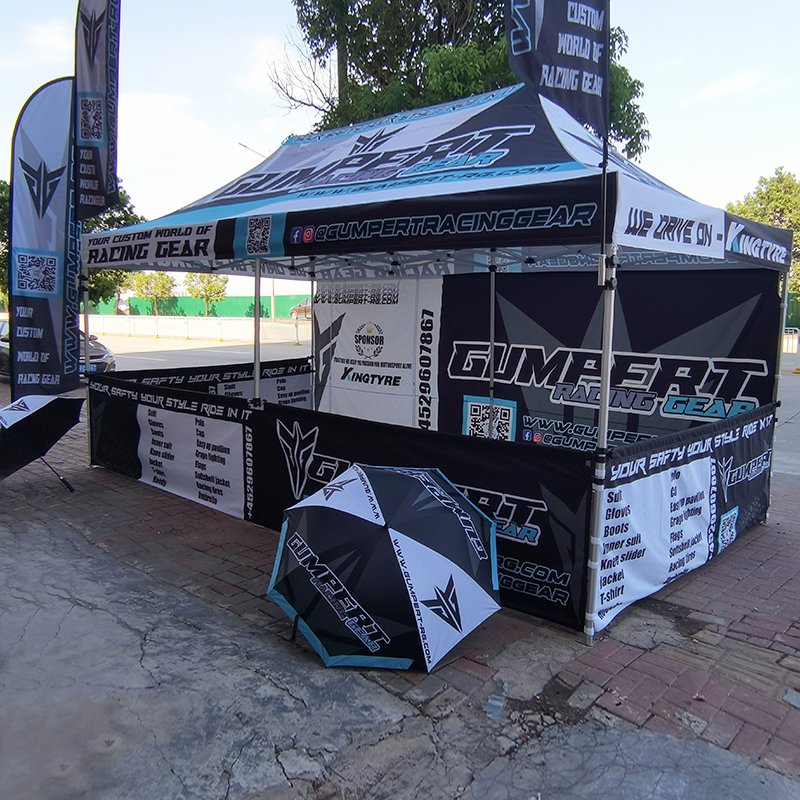
4. Canopy vs Tent: Weather Protection
Weather protection is another important factor in the canopy vs tent decision.
A canopy with only a roof primarily protects users from:
- Direct sunlight
- Light rain
- Some environmental exposure
Once sidewalls are added, protection increases significantly.
A fully enclosed tent can provide more comprehensive protection from:
- Rain
- Wind-driven precipitation
- Sunlight
- Dust
- Wind
- Cold air
- Outdoor environmental conditions
However, enclosure does not automatically make a tent safe in severe weather.
The actual weather performance depends on:
Frame + fabric + connections + anchoring + ballast + installation + environmental conditions.
This is an important point that professional manufacturers should communicate clearly.
A strong fabric cannot compensate for inadequate anchoring.
Likewise, a strong frame cannot compensate for poor installation.
A professional custom tent factory should therefore evaluate the complete structure rather than making broad claims based only on fabric thickness or frame material.
5. Canopy vs Tent: Portability and Transportation
Portability is one of the major reasons businesses choose a canopy.
A folding canopy can often be collapsed into a relatively compact package.
A portable pop-up canopy may consist of:
- Folding frame
- Roof fabric
- Optional sidewalls
- Carry bag
- Stakes
- Weight bags
This makes it attractive for companies that travel frequently.
For example, a sales team may transport several 10×10 canopies between different events.
A larger tent may require more components and more transportation space.
Large commercial tents can involve:
- Multiple frame sections
- Roof panels
- Sidewalls
- Doors
- Flooring
- Ballast
- Carry cases
- Structural accessories
Therefore, the larger the tent becomes, the more important logistics planning becomes.
A professional tent manufacturer should consider transportation and storage during the design stage rather than treating logistics as an afterthought.
6. Canopy vs Tent: Setup Time
Setup time can strongly influence which structure is appropriate.
A pop-up canopy is designed around rapid deployment.
The basic process may involve:
- Removing the folded frame
- Partially opening the frame
- Installing or positioning the roof
- Extending the legs
- Locking the frame
- Adding sidewalls if required
- Installing anchoring or ballast
This makes the pop-up canopy attractive for businesses that need frequent setup and dismantling.
A larger tent may require more assembly.
The process can include:
- Preparing the site
- Organizing structural components
- Connecting frame sections
- Installing the roof
- Attaching sidewalls
- Installing doors or windows
- Adding anchoring
- Installing flooring or accessories
Therefore:
Canopy = generally optimized for speed and portability.
Tent = generally optimized for space, enclosure, and functionality.
But this is a generalization. Modern modular event tents can also be designed for relatively efficient installation.

7. Canopy vs Tent: Branding and Advertising Space
For brands, the canopy vs tent decision is not only about shelter.
It is also about visibility.
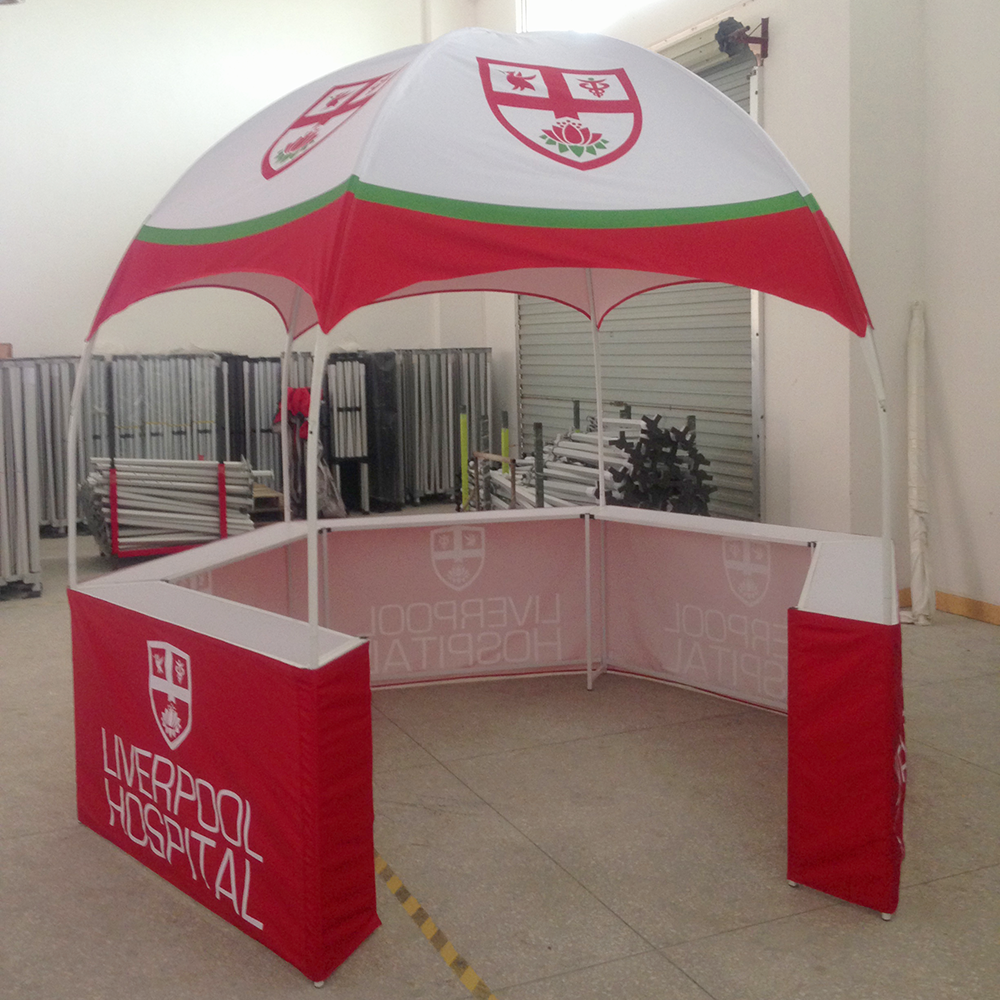
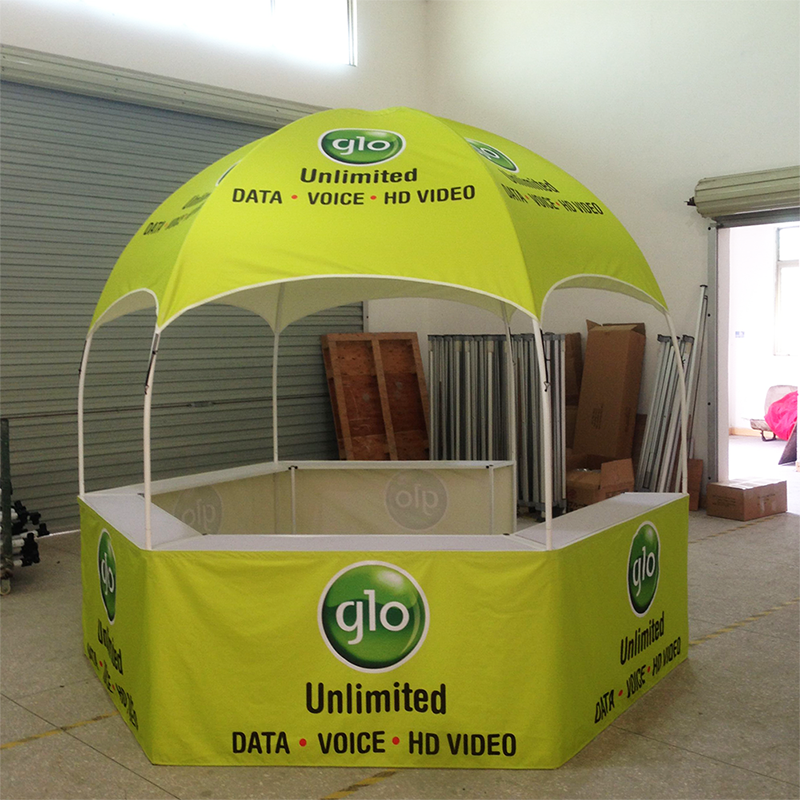
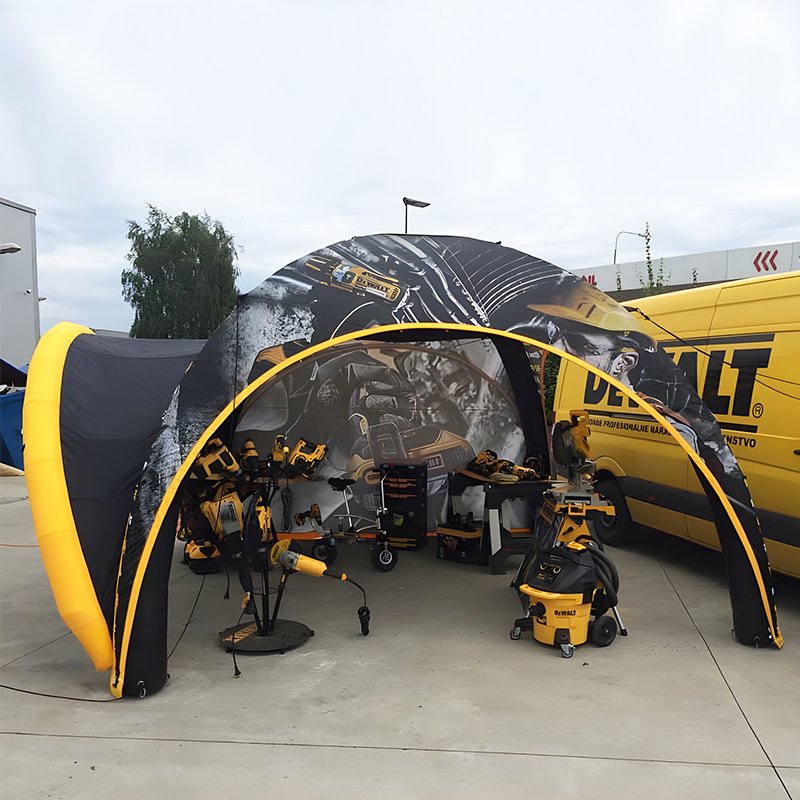
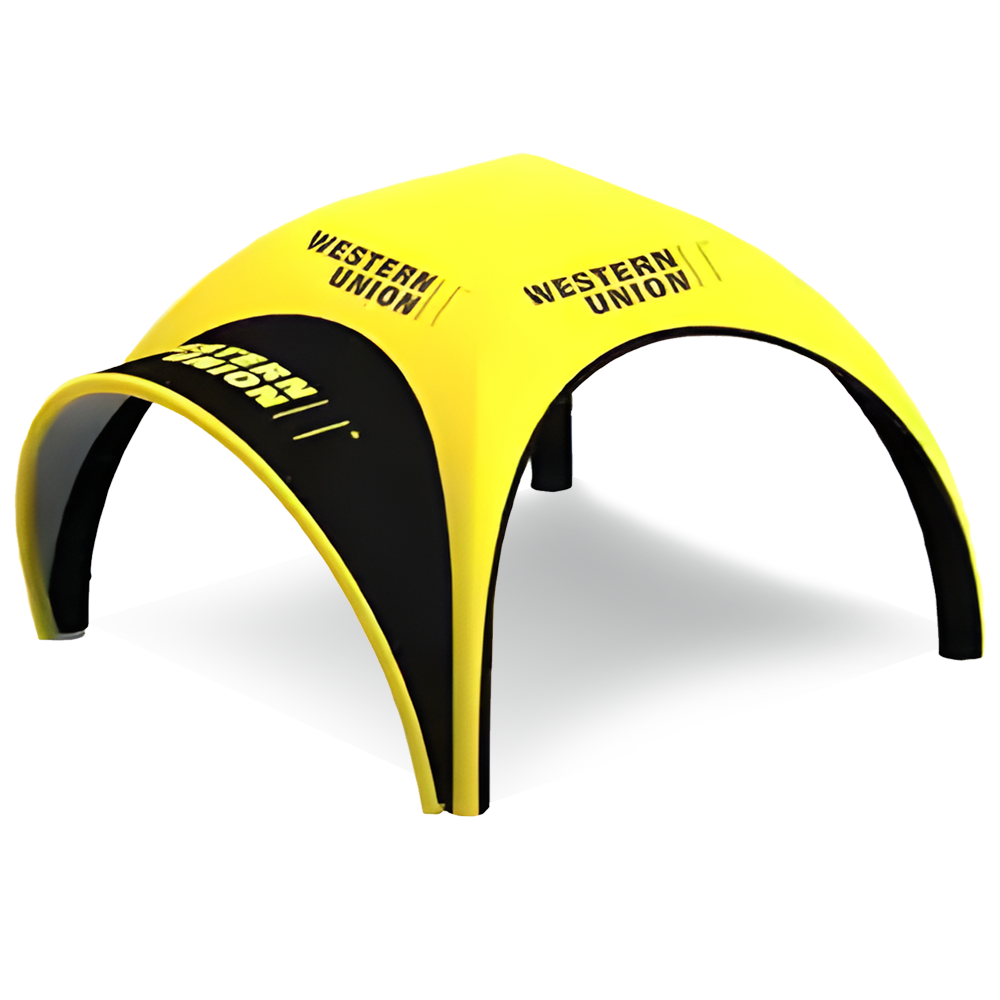
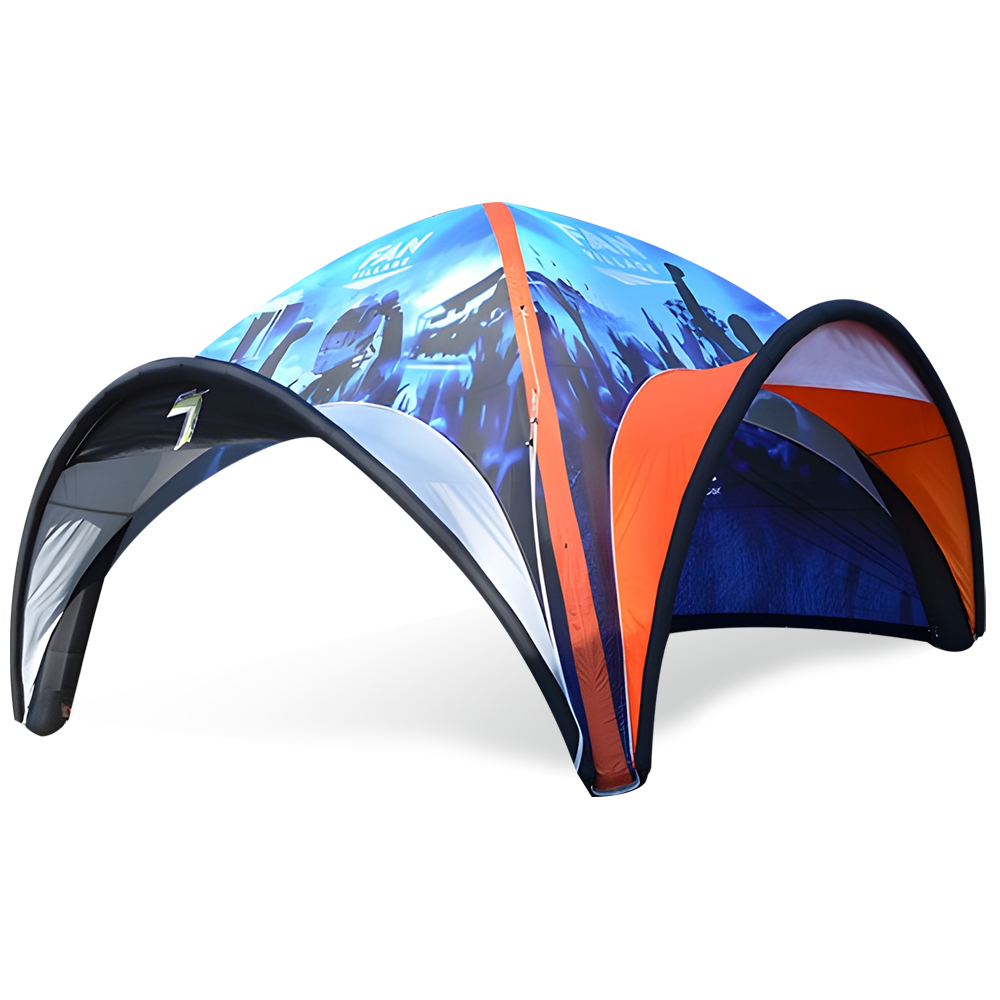
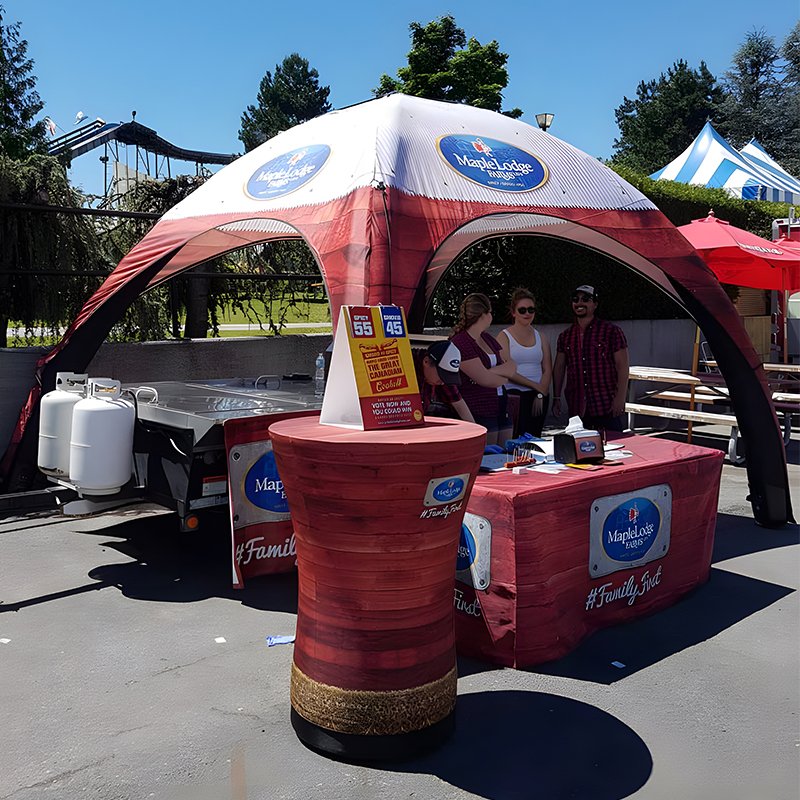
A customized canopy can become a large mobile advertising platform.
Branding can be applied to:
- Roof
- Valances
- Sidewalls
- Backwalls
- Counter panels
- Accessories
A fully printed custom canopy can display:
- Company logo
- Corporate colors
- Product images
- Marketing slogans
- QR codes
- Website addresses
- Social media information
Tents can provide even more printable surface area because they may have multiple enclosed walls.
For exhibition and promotional applications, this can create a stronger visual environment.
For example, a brand may use a printed canopy roof to make its logo visible from a distance while using printed sidewalls to communicate detailed product information.
A professional custom tent factory should help customers decide which panels should be printed according to the viewing direction and event environment.
8. Canopy vs Tent: Which Is Better for Exhibitions?
For outdoor exhibitions, both canopies and tents can be effective.
A 10×10 canopy is often a practical solution when:
- Booth space is limited
- Fast setup is important
- The brand wants an open display
- Visitors need easy access
- The primary objective is visibility
A more enclosed exhibition tent may be better when:
- Product demonstrations require privacy
- The brand needs controlled interior space
- VIP meetings are required
- Additional walls are needed for graphics
- The event lasts several days
- Weather protection is a major concern
An exhibition tent manufacturer can often create a modular design that combines both characteristics.
For example, a 10×10 structure can have a printed roof and valance while leaving the front completely open.
The same structure can then be upgraded with sidewalls and a backwall when greater enclosure is required.
This flexibility makes modular designs attractive to brands operating different types of events.
9. Canopy vs Tent: Which Is Better for Outdoor Events?
For general outdoor events, the choice depends on how the structure will be used.
A canopy may be better for:
- Sporting events
- Farmers markets
- Sampling stations
- Outdoor sales
- Registration areas
- Small promotional events
- Open-air demonstrations
A tent may be better for:
- VIP areas
- Hospitality
- Product launches
- Corporate events
- Large promotional campaigns
- Temporary retail
- Private meetings
A custom event tent can also be designed with open or closed configurations.
This allows the same structure to perform different functions.
For example, a brand might use a canopy-style configuration during the daytime and add sidewalls during evening events.
This modular approach can reduce the need to purchase completely different structures for different applications.


10. Canopy vs Tent: Size Selection Matters More Than the Name
When customers ask whether they should choose a canopy or tent, the more important question is often:
How much usable space do you actually need?
Common portable sizes include:
| Size | Approximate Covered Area | Typical Application |
|---|---|---|
| 5×5 ft | 25 sq. ft. | Compact promotion |
| 8×8 ft | 64 sq. ft. | Small displays |
| 10×10 ft | 100 sq. ft. | General promotion |
| 10×15 ft | 150 sq. ft. | Larger display |
| 10×20 ft | 200 sq. ft. | Commercial event |
| 20×20 ft | 400 sq. ft. | Large event |
| Custom | Varies | Specialized applications |
The 10×10 canopy remains one of the most popular choices because it provides a useful balance between floor area and transportation.
However, the correct size depends on:
- Number of staff
- Number of visitors
- Product dimensions
- Display equipment
- Tables
- Counters
- Storage requirements
- Available event space
- Transportation
A professional manufacturer should calculate the functional requirements rather than simply recommending the most popular size.
11. Canopy vs Tent: Fabric and Waterproofing
Both canopies and tents require appropriate fabric selection.
The main difference is often the amount of fabric and the configuration of the panels.
Important fabric characteristics include:
- Waterproofing
- UV resistance
- Tear resistance
- Weight
- Printing compatibility
- Cleanability
- Flexibility
- Durability
A roof fabric needs to manage rainwater while remaining appropriately tensioned.
Sidewalls have different requirements because they can move in wind and may experience repeated folding.
A professional tent manufacturer should therefore evaluate different components individually rather than treating every fabric panel as identical.
Waterproof performance also depends on construction.
Potential leakage points include:
- Seams
- Sewing holes
- Zippers
- Corners
- Roof connections
- Damaged coatings
Therefore, when comparing canopy vs tent, buyers should ask about the complete waterproofing design.
12. Canopy vs Tent: Frame Material and Durability
The frame is one of the most important components of both products.
Common materials include:
- Aluminum
- Steel
- Aluminum-steel combinations
Aluminum is often attractive for portable structures because it can provide a favorable balance between weight and structural performance.
Steel can provide high strength but may increase overall weight.
For folding canopies, the design of the frame joints is particularly important.
Key components include:
- Truss bars
- Center hubs
- Corner brackets
- Sliders
- Rivets
- Locking systems
- Foot pads
- Connecting hardware
These components experience repeated mechanical movement during setup and dismantling.
Therefore, a professional custom tent factory should pay attention not only to the main tube but also to the entire connection system.
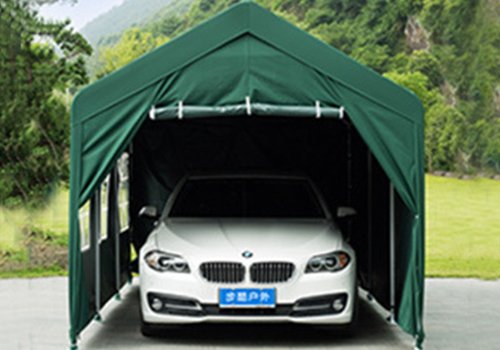
A high-quality frame is a complete mechanical system.


13. Canopy vs Tent: Customization and OEM Manufacturing
For brands, standard products may not be enough.
They may require:
- Specific dimensions
- Custom colors
- Printed logos
- Full graphics
- Special sidewalls
- Custom doors
- Custom windows
- Special accessories
- Private-label packaging
This is where working with a custom tent factory becomes valuable.
A factory can integrate branding into the manufacturing process.
For example, a customer may provide a brand design file.
The factory can then:
- Analyze the artwork
- Confirm panel dimensions
- Adjust the artwork for seams
- Confirm print specifications
- Produce printed fabric
- Cut panels
- Sew the components
- Assemble the structure
- Inspect the finished product
The result is not simply a tent with a logo added afterward.
It is a complete branded structure designed around the customer’s identity.
14. Canopy vs Tent: Which One Is More Suitable for Your Brand?
A simple decision framework can help.
Choose a Canopy If You Need:
- Fast setup
- Easy transportation
- Open access
- Shade
- Flexible event use
- Compact storage
- Frequent relocation
- Moderate weather protection
Choose a Tent If You Need:
- Greater enclosure
- More weather protection
- Privacy
- Large interior space
- Hospitality
- Product demonstrations
- Meeting areas
- Large-scale event applications
Choose a Modular Custom Structure If You Need:
- Open and enclosed configurations
- Multiple event applications
- Extensive branding
- Reusable components
- Different sidewall combinations
- Long-term brand deployment
This is why there is no universal winner in the canopy vs tent comparison.
The better product is determined by the application.
15. Canopy vs Tent: How Dtent Helps Brands Make the Right Choice
Dtent is a professional custom tent manufacturer with more than 10 years of manufacturing experience and a 6,000㎡ production facility.
The company manufactures a wide range of commercial temporary structures, including:
- Commercial tents
- Event tents
- Exhibition tents
- Pop-up canopies
- Outdoor tents
- Custom promotional tents
Dtent’s manufacturing approach focuses on matching the product to the customer’s application.
For example, a brand may need a lightweight 10×10 pop-up canopy for frequent outdoor promotions.
Another customer may need a large custom event tent with printed walls for corporate events.
Another brand may require an exhibition structure with extensive graphics, branded sidewalls, doors, windows, and accessories.
These products may all fall within the broader tent category, but their engineering and manufacturing requirements are different.
Dtent can work with customers on:
- Size
- Frame
- Fabric
- Printing
- Logo placement
- Sidewalls
- Roof graphics
- Accessories
- Packaging
- OEM requirements
This makes Dtent suitable for brands looking for a custom tent factory rather than simply purchasing a standard retail canopy.
16. Canopy vs Tent: What Should Buyers Ask a Manufacturer?
Before placing an order, buyers should ask the manufacturer several technical questions.
About the Frame
- What material is used?
- What are the profile dimensions?
- How are the joints constructed?
- What locking system is used?
- Is the frame designed for repeated setup?
About the Fabric
- What fabric is recommended?
- Is it suitable for outdoor use?
- What waterproofing treatment is used?
- Is the fabric compatible with the required printing method?
About Printing
- Can the entire roof be printed?
- Can sidewalls be printed?
- How is color consistency controlled?
- Can repeat orders maintain the same appearance?
About Customization
- Can the dimensions be modified?
- Can the frame be customized?
- Can doors and windows be added?
- Can accessories be customized?
About Quality Control
- Is the finished product assembled before shipment?
- How are seams inspected?
- How are frames inspected?
- How are graphics checked?
These questions help buyers distinguish a genuine tent manufacturer from a company that simply resells generic products.
17. Canopy vs Tent: Common Purchasing Mistakes
Several mistakes frequently occur when buyers compare canopy and tent products.
Mistake 1: Choosing Only by Price
The lowest unit price may not provide the lowest total cost.
Mistake 2: Ignoring the Frame
Buyers sometimes focus heavily on fabric and graphics while overlooking the mechanical structure.
Mistake 3: Ignoring Anchoring
Even a well-manufactured tent requires proper anchoring according to the application.
Mistake 4: Choosing the Wrong Size
A structure that is too small can make the event space uncomfortable.
A structure that is too large can increase transportation and setup costs.
Mistake 5: Treating All Waterproof Fabric as Equal
Waterproof performance depends on both material and construction.
Mistake 6: Ignoring Repeat Orders
Brands should consider whether the manufacturer can reproduce the same product consistently.
Mistake 7: Designing Graphics Without Considering Construction
A logo positioned across a seam or zipper may not look correct after assembly.
An experienced custom tent factory can prevent many of these problems during the design stage.
18. Canopy vs Tent: Frequently Asked Questions
Is a canopy the same as a tent?
Not exactly. A canopy generally refers to a roofed structure that is open or semi-open, while a tent generally provides a greater degree of enclosure. However, product terminology varies, and many modern canopies can be equipped with sidewalls.
Which is better, a canopy or a tent?
Neither is universally better. A canopy is usually more suitable for fast setup, open access, shade, and portable promotional applications. A tent is often better when greater enclosure, privacy, weather protection, or interior space is required.
Is a pop-up canopy a tent?
A pop-up canopy can be considered a type of temporary tent structure in a broad commercial sense, but technically it usually refers to a folding-frame shelter with a roof and optional walls.
What is the most popular canopy size?
The 10×10 canopy is one of the most popular sizes for commercial promotions, exhibitions, markets, sporting events, and brand activations.
Can a canopy have walls?
Yes. Many commercial pop-up canopies can be equipped with full or partial sidewalls, backwalls, doors, and windows.
Can I customize a canopy with my company logo?
Yes. A professional canopy manufacturer can print logos, graphics, corporate colors, slogans, and other branding elements on the roof, valance, sidewalls, and backwalls.
What is a custom tent factory?
A custom tent factory designs and manufactures tents according to customer-specific requirements rather than supplying only standardized products. Customization may include dimensions, frame structure, fabric, printing, sidewalls, accessories, and packaging.
Should I choose a 10×10 canopy or a larger tent?
Consider your available space, number of people, products, equipment, branding requirements, transportation, and event duration. A 10×10 canopy is ideal for many compact applications, while larger tents are better when more interior space or enclosure is required.
Canopy vs Tent Is Really About Application
The canopy vs tent debate does not have one universal answer.
A canopy is generally a practical choice when a business needs a portable, open, fast-deploying structure for shade, branding, retail, sports, or promotional activities.
A tent becomes more appropriate when the business needs greater enclosure, weather protection, privacy, hospitality space, or a larger controlled environment.
For brands, however, the decision should go beyond the basic product category.
The most important questions are:
Where will the structure be used?
How often will it be transported and installed?
How much interior space is required?
How much branding area is needed?
What weather conditions must it handle?
What level of customization is required?
A professional tent manufacturer can answer these questions and recommend a structure based on the actual application.
Dtent provides customized commercial tents, event tents, exhibition tents, outdoor tents, and pop-up canopies for brands that require their own designs, logos, graphics, dimensions, and functional specifications.
With more than 10 years of manufacturing experience and a 6,000㎡ factory, Dtent can support the complete customization process, from product selection and structural configuration to fabric printing, sewing, assembly, and quality control.
Ultimately, the best choice between canopy vs tent is not determined by the name of the product.
It is determined by how well the structure meets the requirements of the application.
For a small outdoor promotion, a branded 10×10 pop-up canopy may be the most efficient solution.
For a large corporate event, a custom event tent may be more appropriate.
For an outdoor trade show, a printed exhibition tent can combine shelter and brand visibility.
And for brands that need flexible solutions across multiple events, a modular custom tent system can provide the greatest long-term value.
The right structure is the one that delivers the right combination of protection, portability, durability, branding, usability, and cost.
That is the real way to evaluate canopy vs tent when choosing a professional custom tent factory or tent manufacturer.
Are you a Trading Company or Manufacturer?
We are a manufacturer specialized in Folding tents, Outdoor umbrellas, Beach flags, Advertising Banners
Can you do design for my ideas or drawing?
Yes, we have experienced designers and our own molding factory. According to your requirements, we can design or open mold which has a competitive price.
How long does sample take?
Sample will be ready within 5-7 days, depends on your printing and material requirements.
What is your advantage?
Cost effective; with low price; Time effective: we promise to make the mass delivery within 30 days Service effective: Our sales people promise to reply your enquiry within 12 hours.Contact whatsapp 86 180 3827 3926